
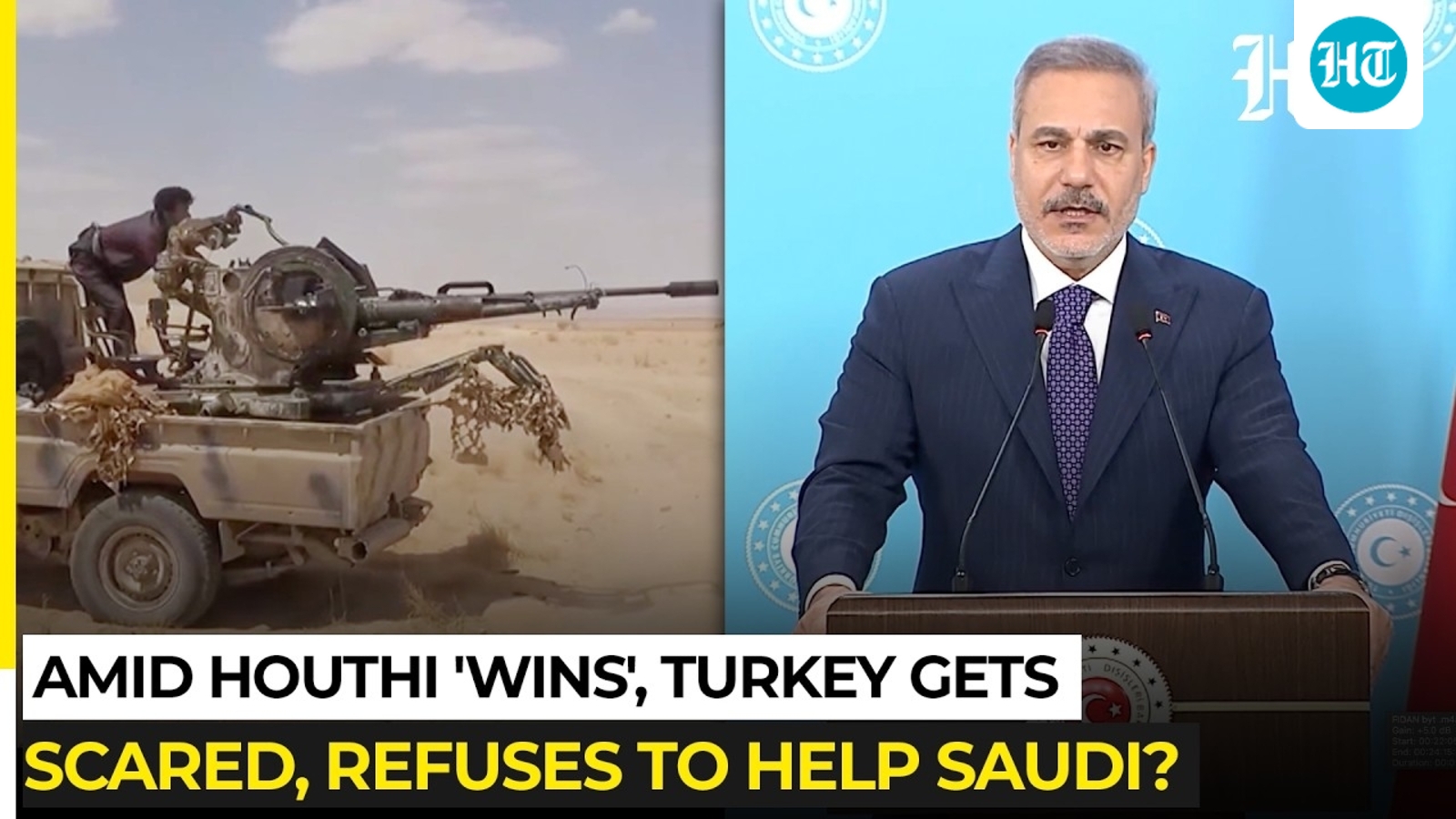
The geopolitical landscape in the Middle East is shifting, particularly as tensions escalate in Yemen. With the Houthis intensifying their assaults and Saudi-backed Yemeni forces striving to regain critical territories, strategic alliances are becoming increasingly significant. Recent declarations from Turkey offer insight into Ankara’s approach to the ongoing crisis.
Turkey’s Position on Yemen’s Conflict
Turkey has decisively stated that it will not deploy ground troops to carry out offensive operations against the Houthis in Yemen. This determination comes despite the activation of the Mecca Joint Defence Agreement, which includes Saudi Arabia and Pakistan. Turkish Foreign Minister Hakan Fidan has indicated that Turkey is evaluating measures to bolster Saudi defenses, with an emphasis on areas such as air defense systems, electronic warfare capabilities, intelligence sharing, and various forms of technical support.
The ongoing situation in Yemen is marked by a surge in Houthi attacks, prompting Saudi Arabia to fortify its military stance and seek international support. While the Mecca Joint Defence Agreement represents a commitment among its members to collective defense, Turkey is keen to clarify that its involvement is not intended to imply aggression or offensive military operations against the Houthis.
Strategic Alliances and Regional Stability
The complexities of the Yemen conflict have prompted various nations to reconsider their roles and responsibilities. Turkey’s decision not to engage in ground operations raises important questions about the future of its alliance with Saudi Arabia and the scope of support it is willing to provide. As the situation intensifies, the delicate balance of power in the region hangs in the balance.
The collective defense pact aims to enhance security for its members, but Turkey’s focus remains on defensive rather than offensive measures. By offering technical support and assistance, Turkey maintains its role as a strategic partner without directly entering the fray. This positioning allows Ankara to navigate through the complex landscape of Middle Eastern politics while ensuring that its national interests are safeguarded.
The Implications for Saudi Arabia and Yemen
For Saudi Arabia, this development underscores the need for a multifaceted strategy to counter Houthi advances. While military strength remains crucial, there is an increasing recognition of the necessity for collaborative efforts and intelligence sharing among allies. With Turkey’s backing focused on enhancing defensive capabilities, Saudi Arabia may find itself better prepared to handle future threats.
As the conflict in Yemen continues to unfold, the international community watches closely. The dynamic between Saudi Arabia and its allies, including Turkey, will play a significant role in shaping the outcomes of this prolonged conflict. While Turkey may refrain from offensive military actions, its commitment to supporting Saudi Arabia highlights a continued effort to stabilize the region amid rising tensions.
In conclusion, Turkey’s refusal to send troops for offensive measures signals a cautious approach in the volatile Yemeni conflict. The focus on strengthening Saudi air defenses and providing technical assistance illustrates Ankara’s aim to play a supportive yet restrained role in regional geopolitics. As the situation evolves, the implications of these strategic choices will be critical for all parties involved.