
Rise in Tensions: Iran’s Actions in the Kurdistan Region of Iraq
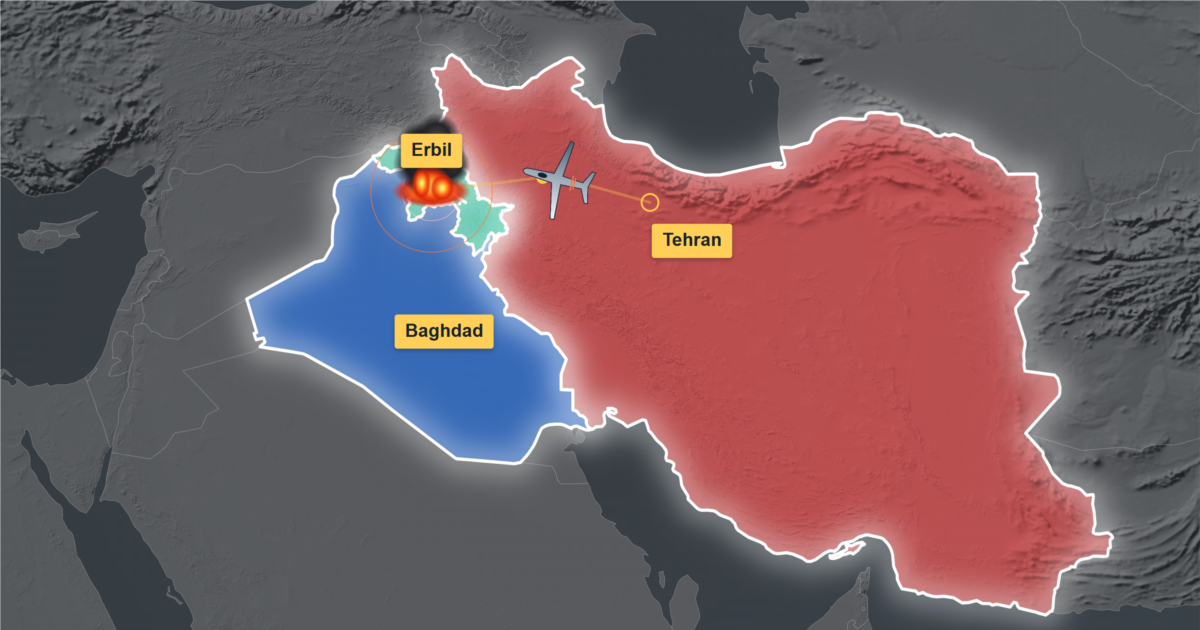
Recent actions by Iran and Iranian-backed Shiite militias in Iraq have raised alarms following the withdrawal of U.S. and coalition forces. Kurdish officials report an uptick in surveillance and aggressive tactics, highlighted by a recent drone strike on a camp for Iranian Kurdish refugees near Erbil.
Drone Attack on Kurdish Refugees
On October 8, 2026, two explosive-laden drones targeted a camp in Kawrgosk, located in the Khabat district approximately 35 kilometers from Erbil, the capital of the Kurdish region. The Kurdistan Region’s Counterterrorism Unit confirmed the operation, which occurred late that night. Thankfully, there were no reported casualties from this assault. However, officials suspect that Iran played a direct role, adding further strain to the already tense situation.
Afsana Rahimi, from the Organization of Iranian Kurdistan Struggle, noted that the attack caused significant panic among local residents and pointed out that this camp houses the families of opposition members. While emergency responders managed to control the fire ignited by the drones, the extent of the damage remains unclear.
Suspicions and Confirmations
Mardin Zahedi, the organization’s head of relations, indicated that the drones likely originated from Iranian territory, specifically the Piranshahr area. He cited previous attacks on the same location—seven confirmed strikes and nearly ten thwarted attempts—illustrating the ongoing threat faced by Iranian Kurdish opposition members and their families living in the region.
Additionally, Zahedi expressed concerns over the current climate following the departure of U.S. forces, noting a dramatic increase in surveillance and military activities by Iran and its affiliated militias. He emphasized the vulnerability of Kurdish refugees, saying, “We have no means of defending ourselves,” forcing them to conduct their activities discreetly and avoid large gatherings.
Ongoing Hostilities and Broader Implications
Since late February 2026, over 1,000 drone and missile strikes have been recorded against the Kurdistan Region, as tensions between Iran and Kurdish groups have escalated. One significant factor driving Iran’s aggressive stance is the presence of Iranian Kurdish opposition members in the region who have sought refuge in Iraq since the 1990s.
Iranian authorities have accused the Kurdistan Region of providing sanctuary for U.S. and Israeli operations, further complicating the geopolitical dynamics. While Kurdish officials maintain strong ties with the United States, they have firmly rejected any allegations of collusion with Israel. As the situation evolves, the Kurdish region appears to be standing at a precarious intersection of international intrigue and local strife.
The recent drone attack exemplifies the escalating tensions in the region and highlights the need for vigilance and strategic partnerships. With the safety of numerous Kurdish families at stake, the Kurdish leadership must navigate a complex landscape of threats while seeking stability amidst increasing external hostility.