
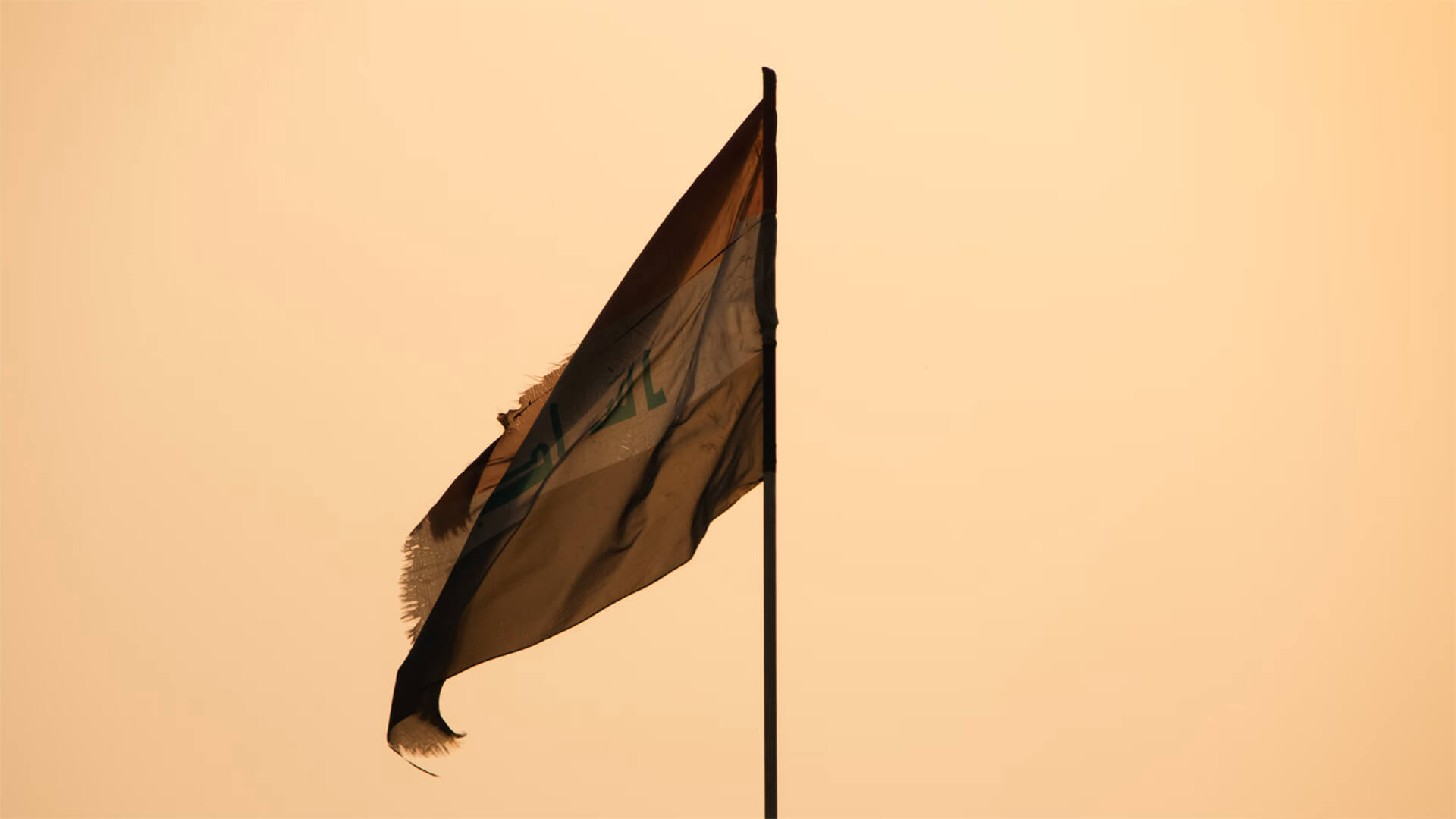
Peter Zeihan here, reporting from the CN Tower in Toronto. Today marks a significant moment as the United States has officially completed its troop withdrawal from Iraq, signaling the end of a prolonged engagement that began after the September 11, 2001 attacks. After 25 years of military involvement, this event raises questions about the future of Iraq and the geopolitical landscape of the region.
A Brief Overview of Iraq’s Complex History
Iraq is a country shaped by artificial borders drawn post-colonialism that became more defined in the mid-20th century. It consists of three main regions: the southern area known as Mesopotamia, the northern region of Kurdistan, and the central part around Baghdad where Sunni Arabs reside. Southern Iraq has a Shia majority that sits atop some of the world’s most lucrative and easily accessible oil fields, capable of producing up to 5 million barrels per day. The Kurdish north, while home to its own oil resources, produces less and is divided among various factions that have historically struggled for power. The Sunni Arabs, making up around 20% of the population, are the smallest group but have maintained unity over time due to a lack of economic power and a history of being marginalized.
This demographic split complicates Iraq’s political landscape. The Shia majority often believes itself entitled to leadership, leading to multiple factions competing for power, while the Kurds have been historically oppressed and fragmented along familial lines. The Sunni Arabs, despite being the least powerful in terms of resources, have occasionally managed to unify in the face of political turmoil. Under Saddam Hussein’s regime, which collapsed in 2003, the Sunni Arabs held sway over the entire country, implementing oppressive policies against the Shia and Kurdish populations.
The Challenges of a New Iraq
With the U.S. military’s departure, the stability of Iraq faces new uncertainties. As history has shown, Iran has the capabilities to destabilize various regions within Iraq. Many Shia militias have proven effective in toppling governments and conducting attacks that extend beyond Iraqi borders. For instance, recent drone strikes targeting Saudi Arabia’s vital oil transport pipeline originated from southern Iraq. The potential for Iranian influence to either ignite conflict or exert control over these regions is now intensified in the absence of U.S. support.
In the Kurdish north, the withdrawal of American forces has ushered in new concerns about external threats that hadn’t been prominent in nearly 50 years. Although relationships between the Kurds and Arabs in Iraq are strained, they pale in comparison to the hostility that the Turkish government holds against Kurdish populations, which could lead to further violence and incursions from Turkey aimed at suppressing its own Kurdish minority.
Potential Outcomes for the Future
As the geopolitical landscape begins to shift, the Sunni Arabs may be in a precarious position once more. The departure of foreign forces could precipitate a power struggle reminiscent of earlier conflicts, with echoes of the violent ascension of Saddam Hussein hanging in the air. While it is impossible to predict a new leader’s approach to governance, assuming that the region will enjoy peace and stability might be overly optimistic.
The intricate dynamics of Iraq’s three principal groups—with their unique historical grievances and aspirations—pose an intricate puzzle for the future. Challenges lie ahead as power vacuums could lead to unrest, exacerbating long-standing divisions and potentially reigniting conflicts. As the region adjusts to this new reality, the consequences of the U.S. withdrawal will unfold in ways that may impact not just Iraq, but the broader Middle East as well. The story of Iraq continues to evolve, and the world will be watching closely as its fate hangs in the balance.