
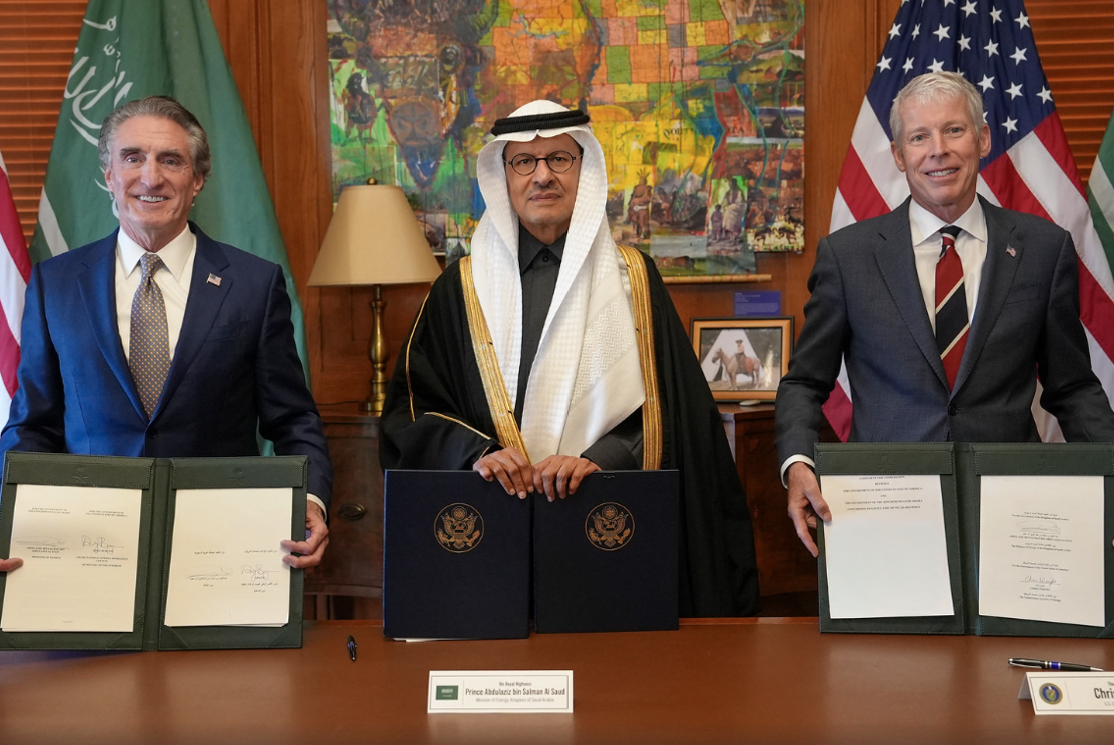
The evolving dynamics of international relations often hinge on complex negotiations and strategic interests. One such situation can be witnessed in the ongoing discussions between the United States and Saudi Arabia regarding nuclear cooperation. Despite significant investments and commitments from the U.S., Saudi Arabia has remained steadfast in its position, showcasing the intricate balance of power and influence between the two nations.
U.S. Nuclear Cooperation with Saudi Arabia
The United States has proposed a substantial nuclear cooperation agreement with Saudi Arabia that could entail billions of dollars in investment. This partnership aims to foster energy independence and bolster economic growth for both countries. However, the U.S. administration has interlinked this agreement with certain non-proliferation conditions that Riyadh has been hesitant to accept. These conditions primarily focus on curtailing any potential nuclear weapon development, a demand that Saudi leaders see as infringing on their sovereignty.
The proposal underscores America’s broader goal of establishing a comprehensive framework for the Middle East’s nuclear future. The notion is that by collaborating on nuclear technologies, both nations can ensure energy stability and promote safer applications. This deal, which could include advanced reactor technology and training programs, presents an opportunity for Saudi Arabia to diversify its energy sources while maintaining economic growth. However, the sticking point remains—Riyadh’s reluctance to concede to the non-proliferation demands.
Saudi Arabia’s Stance
Despite the advantages that a nuclear agreement with the U.S. could bring, Saudi Arabia’s leadership has expressed significant resistance. They have consistently argued for their right to pursue a nuclear program that aligns with their national interests. As a nation rich in petrochemicals, Saudi leaders fear that conceding to U.S. demands may hinder their sovereign capabilities in developing a nuclear energy infrastructure.
This is not merely a matter of economic opportunity; it speaks to the very essence of national pride and independence. Saudi officials have made it clear that they do not wish to be seen as subservient to foreign powers, which complicates the negotiations further. Their unwavering position poses questions about the durability of U.S.-Saudi relations and the broader implications for nuclear non-proliferation in the region.
The Implications of Ongoing Negotiations
The stalemate in negotiations reveals the complexities of balancing national interests with international expectations. Should Saudi Arabia eventually agree to the U.S. conditions, it might lead to a paradigm shift in nuclear governance across the Middle East. Such a shift could pave the way for enhanced diplomatic relations and a durable peace in a region often marked by tension and conflict.
Conversely, if Saudi Arabia persists in its current stance, it may lead to a recalibration of U.S. strategy in the region. U.S. officials might need to explore alternative partnerships or reassess their diplomatic objectives in the Middle East, which could have ripple effects on global energy markets and international security dynamics.
In conclusion, the ongoing negotiations between the U.S. and Saudi Arabia regarding nuclear cooperation encapsulate the broader tensions between economic opportunity and national sovereignty. As the two sides continue to navigate this complex landscape, the outcome will not only affect bilateral relations but may also have lasting implications for regional stability and nuclear non-proliferation efforts. The future remains uncertain, but both nations must find common ground to foster a productive partnership that respects their respective interests.