
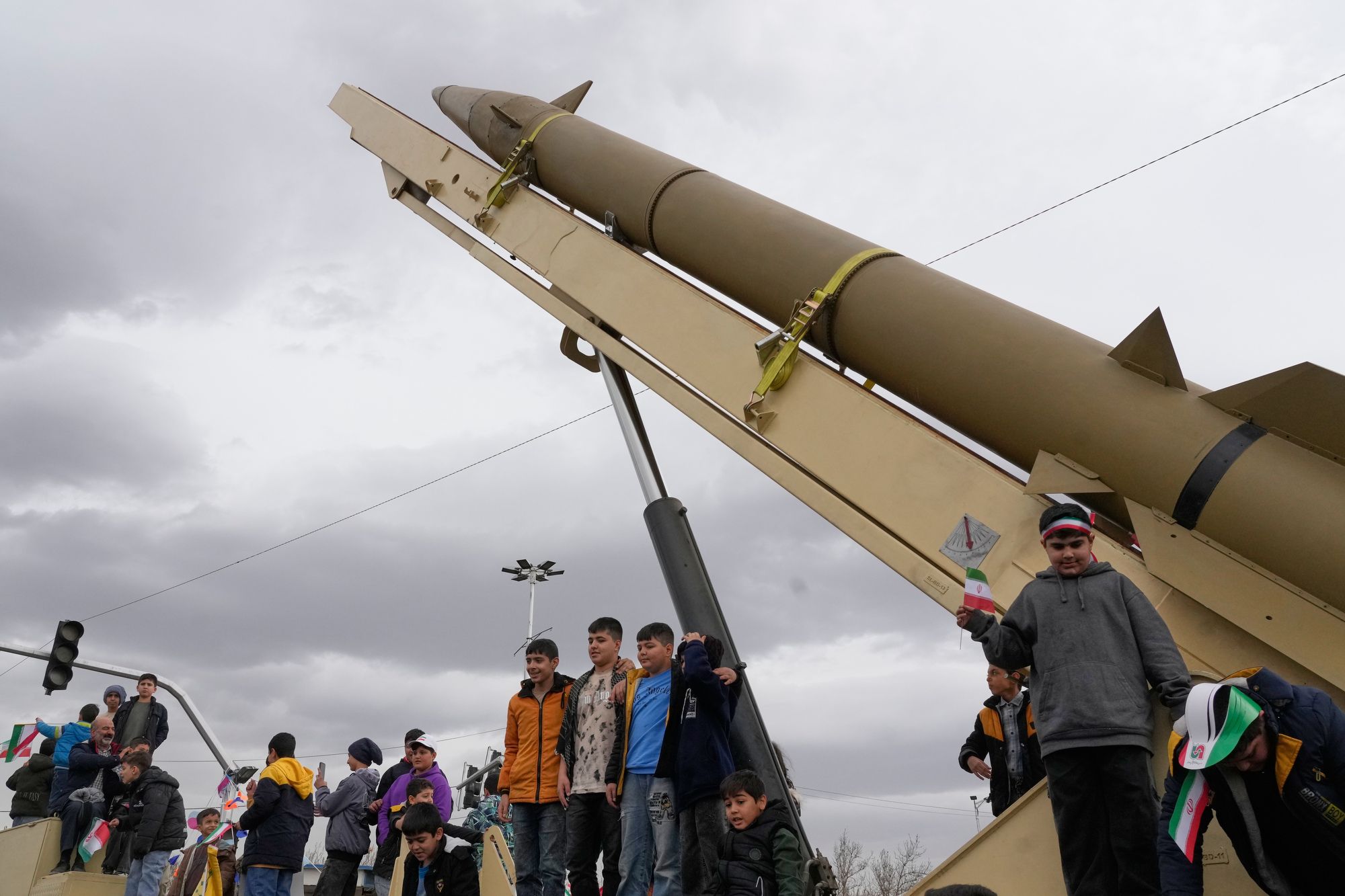
Iran has managed to maintain its missile and drone manufacturing capabilities despite enduring months of airstrikes from the US and Israel. This resilience signals Tehran’s ability to replenish its military stockpiles during the ongoing reduction of hostilities. Reports from Bloomberg suggest that, alongside its domestic production, Iranian military capabilities are further bolstered by assistance from Russia, posing significant questions regarding the effectiveness of international efforts aimed at curtailing Iran’s military strength.
Missile Production and Military Resilience
Despite the aggressive bombardments, Iran’s missile and drone facilities have remained operational. The Western official’s revelations about Russia supplying missiles to Iran introduce a new layer of complexity to the region’s security dynamics. Military analysts are scrutinizing the implications of this collaboration and questioning the overall success of the campaigns aimed at degrading Iran’s military infrastructure. As Iran continues to produce advanced military hardware, it demonstrates a notable resilience that could shift the balance of power in the region.
Tensions in the Strait of Hormuz
The situation in the Strait of Hormuz remains precarious, especially amid escalating conflicts involving Saudi-led forces and Yemen’s Iran-aligned Houthi rebels. These confrontations have led to an uptick in missile and drone strikes targeting Saudi cities, raising alarms over the stability of crucial maritime routes. The Bab al-Mandeb Strait, another significant corridor for global energy distributions, faces similar threats, complicating international trade and security operations in one of the world’s busiest shipping lanes.
Impact on Global Energy Prices
While oil and gas shipments through the Strait of Hormuz are nearing stabilization, energy prices are still under pressure due to a global shortage of tankers. The ramifications are evident as transportation costs for moving oil remain high. Reports indicate that the cost of chartering a tanker to transport oil from the United States to China has skyrocketed to approximately $80 million. This figure actually surpasses the $74 million needed for a typical commercial rocket launch, highlighting the significant strains affecting global energy logistics.
With the complexities surrounding Iran’s military development and the ongoing tensions in strategic waterways, the international community must navigate a challenging landscape. The combination of Iranian resilience and increased logistical costs could have a lasting impact on global energy markets and geopolitical stability. As the situation continues to evolve, stakeholders will undoubtedly be monitoring these developments closely to assess potential repercussions for regional and global economies.