
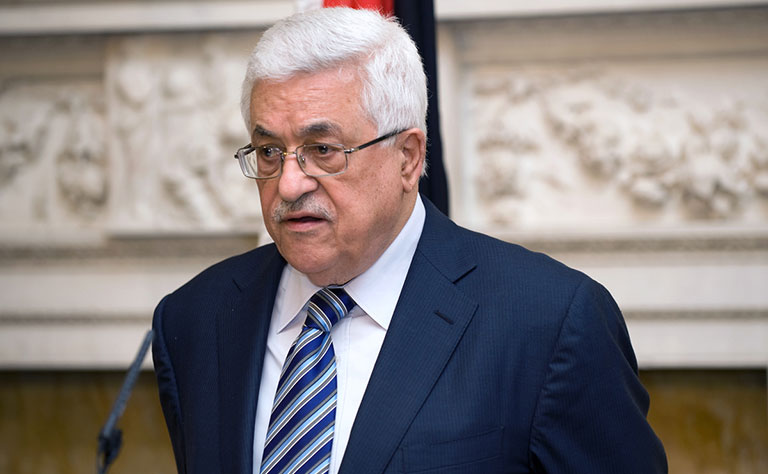
Palestinian President Mahmoud Abbas has taken significant steps towards facilitating democratic elections in the region. He recently signed a decree to hold both presidential and legislative elections on September 11, 2027. This action follows the decision of the Executive Committee of the Palestine Liberation Organization (PLO) and the annulment of a prior decree that had called for legislative elections on November 28, 2026.
Details of the Presidential Decree
The newly established decree highlights the intent for Palestinians living in Jerusalem, the West Bank, and the Gaza Strip to exercise their voting rights simultaneously for both the President and the members of the Legislative Council. This initiative aligns with the legal frameworks governing elections in Palestine. The scheduled date reflects a careful consideration of political dynamics and the pressing need for a unified electoral process across Palestinian territories.
The Palestinian News Agency (WAFA) reported that the decree came as a result of extensive consultations involving various Palestinian political factions. This thorough dialogue was aimed at reaching national consensus and ensuring that diverse political voices are represented in the electoral process. The decision to postpone the originally scheduled elections arose from the recognition of obstacles presented by Israeli actions, which were deemed detrimental to the conduct of fair elections.
Challenges Ahead for Palestinian Elections
The road to the upcoming elections is fraught with challenges. The current political atmosphere necessitates that suitable political, security, and practical conditions be established to ensure the elections can be both free and fair. The Palestinian leadership has underscored the importance of creating an environment conducive to democratic processes, recognizing that this is crucial for gaining the confidence of the electorate.
As observed in previous elections, external factors, including regional geopolitical tensions and domestic dissent, can significantly affect the electoral landscape. The decision to hold elections comes at a time when many Palestinians seek to express their democratic rights, but it also highlights the urgency of addressing underlying issues that could impact voter turnout and electoral integrity.
The Significance of Democratic Elections
The announcement of this decree is a pivotal moment in Palestinian politics. It symbolizes a renewed commitment to democratic governance and the fundamental principle of self-determination. Elections serve as a platform for expressing popular will, allowing citizens to choose their leadership and influence the direction of their governance.
Moreover, the upcoming elections can reinvigorate public trust in Palestinian institutions, which have faced criticism in recent years for a perceived lack of accountability and representation. Holding transparent elections may pave the way for greater civic engagement, unifying various factions under a democratic framework that reflects the aspirations of the Palestinian people.
In conclusion, President Abbas’s decision to hold synchronized elections in 2027 marks a crucial step towards revitalizing democracy in Palestine. While there are substantial challenges ahead, the path towards these elections will require collective efforts from all political factions and civil society. Ensuring the electoral process is carried out in a climate of freedom and fairness will be essential to fulfilling the democratic aspirations of the Palestinian people.