
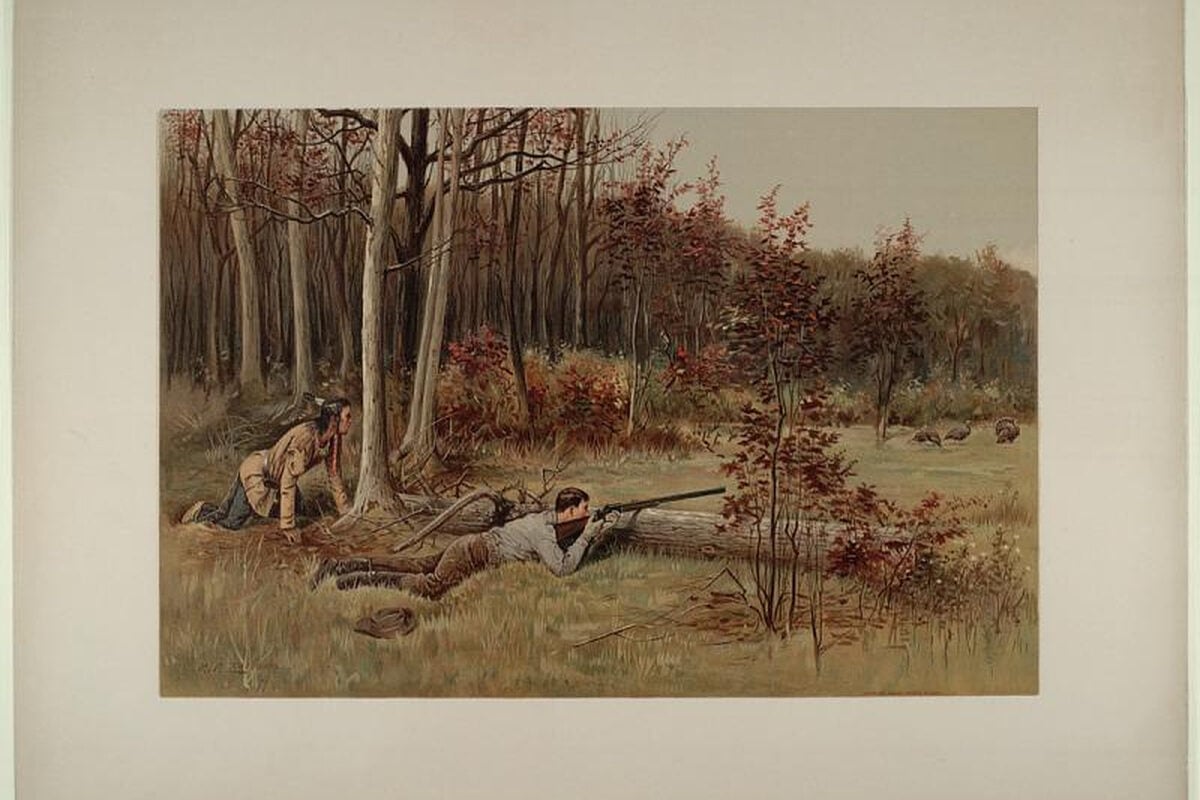
The Revitalization of Wild Turkey Hunting in West Virginia
As the fall season approaches, West Virginia prepares to welcome one of its oldest traditions: wild turkey hunting. Beginning October 10, hunters across all 55 counties can partake in this cherished pastime, which has persevered through significant challenges—including habitat loss and a near extinction of the species. This event not only sustains a vital cultural practice but also pays homage to the historical significance of the wild turkey in American life.
Historical Significance of the Wild Turkey
The eastern wild turkey, indigenous to West Virginia, has long been a staple for both Indigenous peoples and early European settlers. Before colonization, Native Americans hunted these birds for sustenance and crafted tools and decorations from their bones and feathers. As settlers ventured into the Appalachian region, turkeys remained a vital source of food, enabling entire communities to thrive in the dense forests of the time.
Archaeological findings reveal that long before modern hunting practices were established, Indigenous communities relied on wild turkeys. These birds were not just sources of meat; they represented a significant aspect of cultural identity and survival. The settlers carried this tradition into the mountains, where wild turkeys became integral to their diets alongside other forms of wildlife.
The Comeback of the Wild Turkey
The resurgence of wild turkey hunting in the United States stands as a testament to successful wildlife conservation efforts. Following severe declines in the 19th and early 20th centuries due to overhunting and environmental changes, wildlife management initiatives implemented hunting regulations and habitat restoration programs. By the 1980s, these measures resulted in thriving populations across much of their original range.
In West Virginia specifically, the fall season not only offers hunters the chance to engage with nature but also connects them to a long-standing tradition of providing food for family gatherings, especially Thanksgiving. According to Brett McMillion, director of the West Virginia Division of Natural Resources, there is something uniquely rewarding about capturing a wild turkey for the holiday dinner table. He emphasizes the importance of safety and adherence to regulations while enjoying the rich bounty of the Appalachian woods.
Diverse Hunting Strategies
Hunting wild turkeys in the fall differs markedly from spring hunting, primarily due to behavioral changes in the birds. Once the breeding season concludes, turkeys often gather in flocks to forage. Understanding their feeding patterns and movements becomes crucial for successful hunts. In West Virginia, hunters typically search for turkeys in hardwood areas rich in natural food sources, such as acorns and beechnuts.
While spring brings the excitement of gobbling males and mimicking their calls, autumn hunting relies more on tracking flocks and understanding group dynamics. With regulations allowing the harvest of one bird of either sex, the challenge persists: wild turkeys are exceptionally skilled at detecting movement and evading potential threats, making skilled concealment and patience critical.
Maintaining the Tradition Amid Challenges
Recent hunting statistics show fluctuations in wild turkey populations, reflecting broader environmental concerns. In 2025, West Virginia experienced a significant decline in turkey harvests, with state biologists attributing this trend to adverse weather conditions affecting young turkeys’ survival. Observations indicate that while there are more turkey broods, the number of young birds per hen has dropped sharply. This reality underscores the importance of adaptive management strategies that will ensure the conservation of this iconic species for future generations.
As the 2026 fall turkey season kicks off on October 10, hunters can look forward to opportunities across the state. Each participating hunter contributes to a legacy built on sustainable practices and community involvement in wildlife management. The rich tradition of turkey hunting in West Virginia not only connects people with the land but also highlights the importance of responsible stewardship of natural resources.
As enthusiasts prepare for their adventures in the woods, they not only honor a time-honored American custom but also participate in an ongoing commitment to wildlife conservation that ensures the survival of the wild turkey—a species that has become symbolic of resilience in the face of challenges. Whether returning with a bountiful harvest or simply the joys of the hunt, participants carry forward a legacy vital to West Virginia’s heritage and natural landscape.