
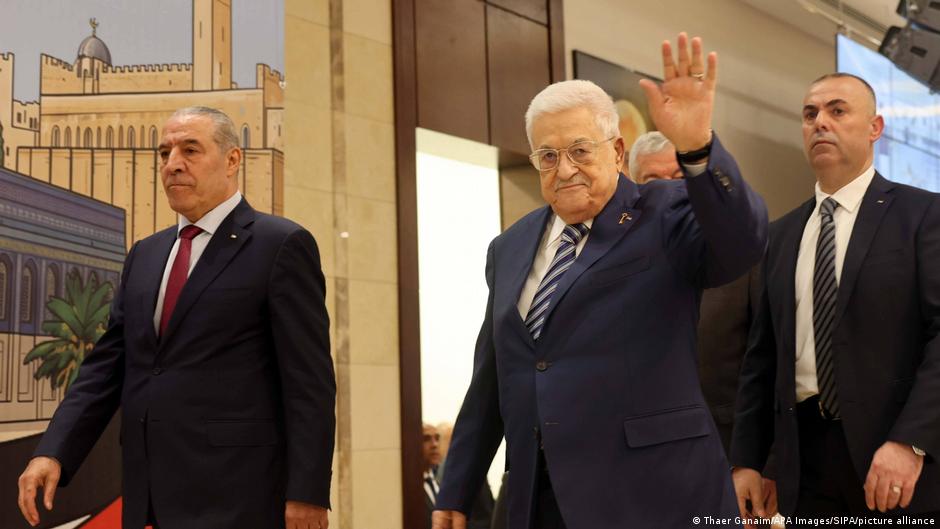
Palestinian President Mahmoud Abbas has announced a further delay to the legislative elections, pushing them back almost a year according to a recent decree. Originally set for November 28, these elections, along with the presidential vote scheduled for early next year, have now been rescheduled to September 11, 2027, marking the first Palestinian elections in over two decades.
Reasons Behind the Postponement of Palestinian Elections
In his decree, President Abbas cited various challenges, particularly “obstacles posed by Israeli measures,” as the primary reasons for delaying what he termed “free, fair and inclusive elections.” He highlighted the impact of ongoing Israeli settler violence, military operations, and mobility restrictions in both the occupied West Bank and East Jerusalem. Additionally, he raised concerns about Israel’s continued withholding of tax revenue, which exacerbates the political and economic situation in the region.
The situation in Gaza also influenced this decision. Ongoing Israeli strikes have created what Abbas described as “exceptional security and humanitarian conditions,” coupled with the incomplete withdrawal of Israeli forces and slow progress on reconstruction efforts following years of conflict. The cumulative effect of these factors has made it increasingly difficult to conduct meaningful elections, according to Abbas’s administration.
Israel’s Foreign Minister, Gideon Saar, dismissed Abbas’s rationale as a “ridiculous lie” aimed at avoiding responsibility and accountability, suggesting that the narrative of Israeli interference is a politicized distraction from internal Palestinian governance issues.
Commitment to Elections Amidst Delays
Despite the postponement, President Abbas had previously assured both French President Emmanuel Macron and Saudi Crown Prince Mohammed bin Salman that elections would be conducted as part of the recognition of the State of Palestine. This commitment was reiterated just weeks ago when Abbas addressed the UN General Assembly, expressing his intention to hold elections in November.
However, the reality of governance remains stark: Abbas has been in power by decree since his presidential term officially ended in 2009, raising questions about democratic processes in the Palestinian territories. The continuous delays in elections also underline a lack of political stability and legitimacy, which may have long-term implications for Palestinian governance structures.
The announcement has sparked further debate within Palestinian communities about the electoral process, democracy, and the need for accountability among leaders. As the country nears the potential election date in 2027, much will depend on both the internal political landscape and the external pressures surrounding the Israeli-Palestinian conflict.
In summary, while the postponement of elections raises concerns about democratic governance in Palestine, it reflects a complex interplay of local and international factors that influence the political landscape. The upcoming years will be crucial for Palestinians as they navigate these challenges while attempting to establish a framework for a functional electoral process.