
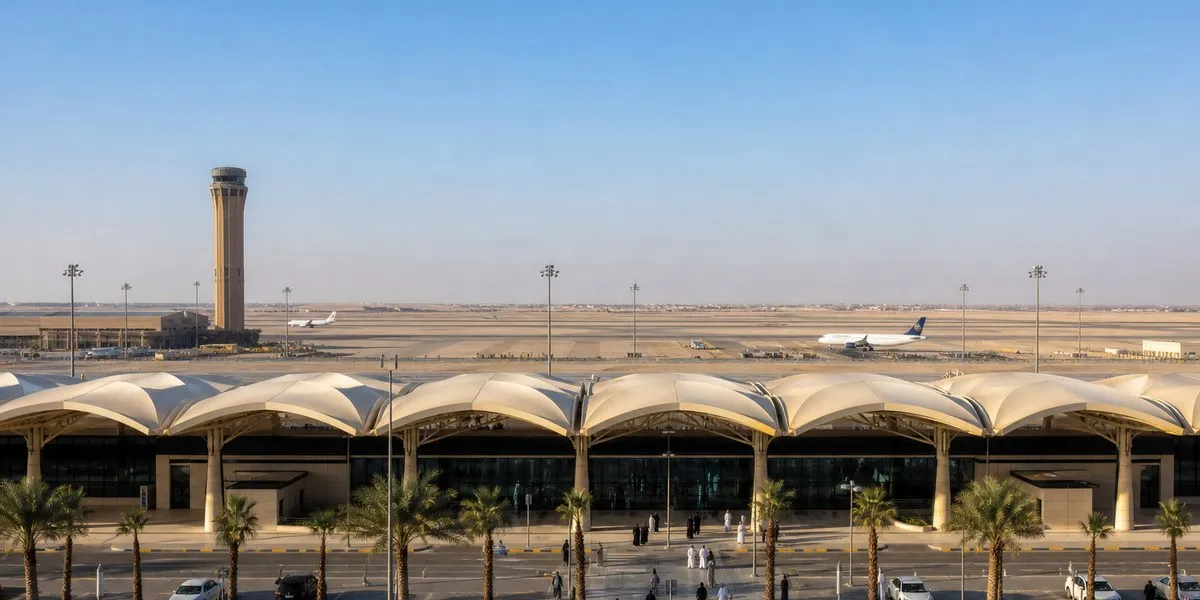
Pakistan has expressed its unwavering support for Saudi Arabia following a recent attack on Riyadh International Airport. The Ministry of Foreign Affairs condemned the assault and reiterated Pakistan’s commitment to the kingdom’s sovereignty and stability.
Details of the Attack
The attack on Riyadh International Airport resulted in the tragic loss of 12 lives and injuries to over 300 individuals. Pakistan’s Foreign Ministry labeled this act as terrorism, emphasizing that such violence is a blatant infringement of international law and poses a significant risk to regional security. The targeting of a civilian airport underscores the seriousness of the threat, with implications for peace in the region.
In an official statement, the Foreign Ministry extended condolences to the victims’ families and wished for a swift recovery of those injured. Pakistan called upon the global community to recognize and denounce acts of violence against civilians and essential infrastructure, reinforcing the need for collective action in such crises.
Pakistan’s Leadership Response
Prime Minister Shehbaz Sharif condemned the attack, asserting that assaults on civilian targets are intolerable and further endanger peace and stability in the region. By condemning the strike, Sharif aligns Pakistan’s stance with international norms that advocate for the protection of civilians during conflicts.
The Prime Minister’s comments highlight Pakistan’s role as a regional player, poised to foster stability. This incident serves to reinforce the importance of collaborative efforts in addressing challenges to both national and regional security.
Mecca Defense Agreement and Collaborative Efforts
Linking its support to the Mecca defense agreement, Pakistan emphasized a collective security commitment involving Turkey. Signed on August 7, this agreement asserts that an attack on one member is considered an attack on all, thereby reinforcing the unity among the signatories.
Recently, allegations emerged from the Saudi coalition in Yemen, attributing the attack on King Khalid Airport to the Houthis, who have termed the strike a war crime. According to diplomatic sources, the attack involved a missile strike, with prior assaults on the airport resulting in casualties and damage to military assets. The Houthis have claimed responsibility for these actions, further complicating the security landscape.
At an emergency meeting in Riyadh on October 5, representatives from Pakistan, Saudi Arabia, and Turkey discussed expedited military support in response to regional threats. Pakistan’s Defense Minister, Khawaja Asif, confirmed the presence of Pakistani and Turkish forces in the region, emphasizing that only Saudi military troops have been engaged in active combat operations. This collaboration underscores the strategic alliances forming to counter emerging threats.
In conclusion, Pakistan’s robust response to the recent attacks signifies its commitment to regional stability and security. The government’s call for international condemnation reflects a proactive stance in countering terrorism and supporting allies. As these developments unfold, the importance of cooperative defense agreements such as the Mecca defense pact becomes increasingly clear, highlighting the ongoing need for collective security mechanisms in the face of rising threats.