
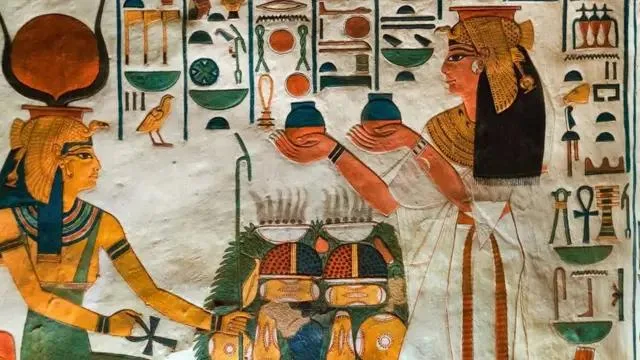
Ancient Egypt was a society where women’s rights were prominently acknowledged, long before the modern feminist movement took shape. Women in this ancient civilization held significant legal and economic statuses, and the records from that era reveal a society that offered them opportunities for independence and power.
Women’s Legal Rights in Ancient Egypt
Legal documentation illustrates that women in ancient Egypt were not just confined to traditional roles as wives and mothers, but also enjoyed rights typically associated with property ownership and economic decision-making. They had the ability to own land, enter into contracts, and even take their husbands to court if necessary. Such rights empowered them significantly, culminating in a society where women could initiate divorces and manage their own affairs. Egyptologists emphasize the importance of recognizing these contributions as the International Day of the Girl Child approaches on October 11. The legacy of ancient Egyptian women highlights the importance of gender equality, which was ingrained in their culture.
Researchers like Egyptologist Magdy Shaker note that the legal framework of ancient Egypt included some of the earliest laws regarding women, particularly marriage laws that fostered mutual respect between spouses. These laws allowed women to inherit wealth equal to men, ensuring they had a rightful claim to family assets. Interestingly, a woman was entitled to a significant portion of her husband’s wealth if he divorced her without cause, demonstrating a degree of protection for women in financial matters.
The Economic Independence of Women
Documentation from the period indicates that women managed their own property—whether it be land, goods, or livestock. They were allowed to make financial transactions, sign contracts for marriages or divorces, and bring legal claims to court. Notably, there are examples such as a prenuptial agreement dating back to 365 BC that illustrates these rights in action. This agreement outlined compensatory terms for a wife in the event of divorce, highlighting her legal authority and economic agency in a time when such rights were rare globally.
Women also held religious significance in ancient Egyptian society, as goddesses were venerated alongside gods. Maat represented justice, Hathor signified love, and Sekhmet was associated with strength. The presence of high priestesses in religious practices reflected the prominent positions women held, further illustrating the multifaceted roles they played in society.
Challenges and Misconceptions
Despite these progressive aspects, Egyptologist Hussein Bassir cautions against certain misconceptions surrounding the ages at which girls married. There were no universal age requirements for marriage, as customs varied widely depending on time and social class. Evidence about brides’ ages is scarce, complicating our understanding of marriage practices in ancient Egypt. Bassir firmly states that there is no basis for claims that women were systematically denied inheritance; rather, children received their fair share of their parents’ estates.
As exemplified by the will of Naunakhte, a woman from the New Kingdom, women were not merely passive recipients of inheritance but actively engaged in their ownership rights. These historical accounts pave the way for a clearer understanding of women’s independence and influence in ancient Egyptian society.
In conclusion, ancient Egyptian women enjoyed significant legal, economic, and social freedoms that set them apart from many civilizations of their time. While the extent of these rights could vary, the remnants of their empowered status provide valuable insight into an advanced society that recognized the equality of the sexes, a notion worth celebrating today.