
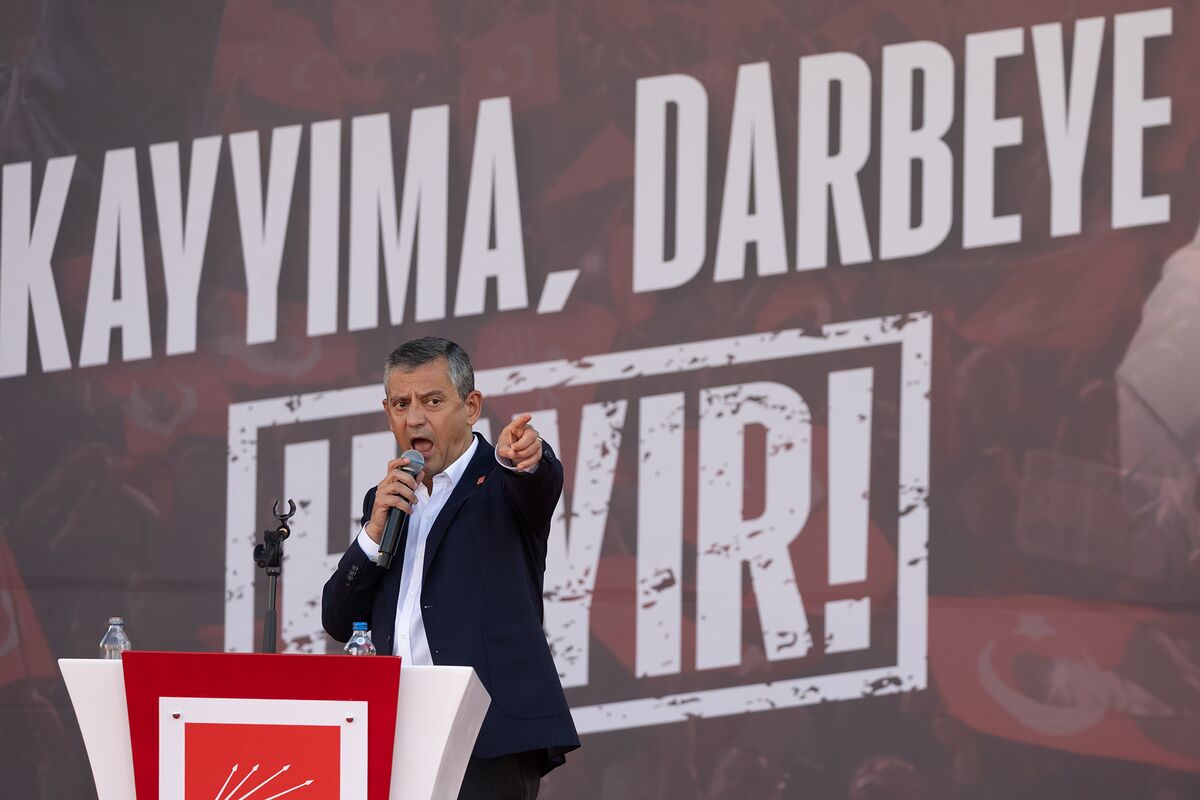
A pivotal decision has been made by a Turkish court, which has resulted in the ousting of the head of Turkey’s principal opposition party. This ruling has significant implications for the political landscape, as it may bolster President Recep Tayyip Erdogan’s control over the country, while also raising concerns about potential civil unrest and renewed economic instability.
Impact on Turkish Politics
The court’s ruling to dismiss the opposition leader, known for challenging the current administration, marks a critical moment in Turkey’s political scene. This verdict not only has the potential to alter the power dynamics between the ruling party and its adversaries but also poses questions about the independence of Turkey’s judicial system. Critics argue that the decision underscores the growing authoritarianism of Erdogan’s regime, which has been increasingly focused on consolidating power.
The repercussions of this ruling could extend beyond the immediate political realm. With the opposition facing significant limitations, the ruling party may feel emboldened to push through policies without much resistance. This could lead to further centralization of power, undermining democratic institutions. Observers fear that a weakened opposition might engender public dissatisfaction, leading to protests and unrest as citizens grapple with a diminished political landscape.
Economic Implications
The potential for political instability often brings dire economic consequences. Investors’ confidence and market stability are typically influenced by the political climate, and the removal of the opposition leader could ignite fears of authoritarian rule. Analysts are wary that this legal action may lead to increased volatility in the financial markets, as it creates uncertainty about the future governance of the country.
Turkey has faced significant economic challenges in recent years, with high inflation and a devalued currency contributing to widespread economic hardship. The ruling may exacerbate these issues, driving away foreign investments and impacting local businesses. With a potentially unstable political environment, businesses may hesitate to make long-term investment decisions, fearing unpredictable changes in governance. A turbulent political climate can often deter growth and economic resilience, further complicating Turkey’s path to recovery.
Public Reaction and Future Prospects
The public’s response to this recent ruling is likely to be varied. While some may support the government’s actions as a necessary step toward maintaining order, others might view it as an infringement on democratic rights. Protests in response to perceived injustices are not uncommon in Turkey’s history, and there is a palpable tension among citizens regarding their political freedoms.
Looking ahead, the dynamics of Turkey’s political landscape could dramatically shift. The ruling may strengthen Erdogan’s administration in the short term, but it could also foster deep-seated resentment among the populace. Civic engagement may surge, with activists and ordinary citizens rallying for change. The balance between power and opposition will continue to be a focal point in Turkey’s journey, influencing everything from domestic policy to foreign relations. As the situation develops, the world will be watching closely to see how this landmark ruling affects not only Turkish democracy but also the broader geopolitical landscape.