
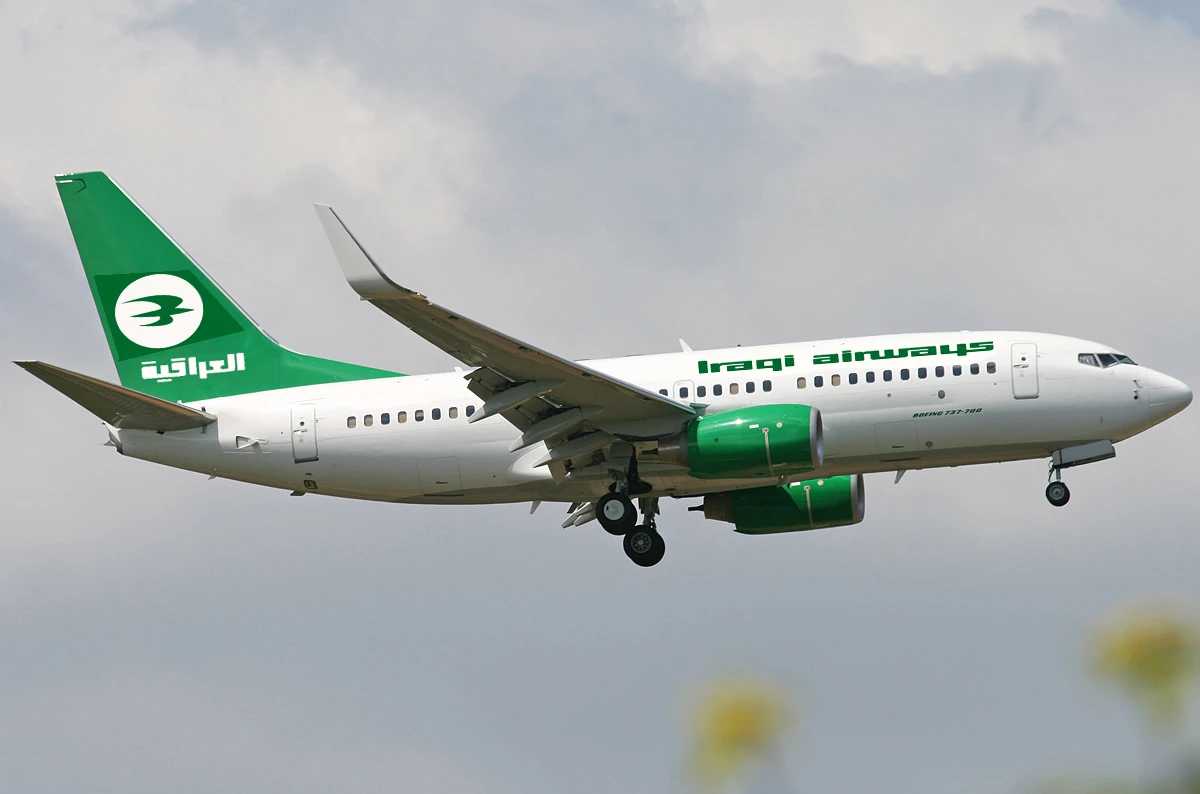
In recent times, the air traffic landscape over Iraq has seen a noteworthy transformation. Following the easing of certain airspace restrictions, civilian flights have surged by 31%, according to the nation’s Ministry of Transport. This increase is attributed to several key factors that have contributed to a more accessible and flexible air travel environment.
Significant Increase in Civilian Air Traffic
The uptick in civilian air traffic within Iraqi airspace is a remarkable milestone. Ehab Saad, the General Director of the General Company for Airports and Air Navigation Management, underscored that this growth is a direct result of expanded flight routes and improved management of airspace. The noted rise in traffic surpasses previous expectations, demonstrating a clear demand for air travel options that were previously unavailable.
Reopening of Previously Restricted Airspaces
On September 18, Iraq took a significant step toward revitalizing its aviation sector by lifting restrictions on certain zones that had been designated for military and security operations. These areas had remained closed to civilian flights for nearly ten years due to security concerns stemming from the ISIS occupation of various regions within the country. Reopening these airspaces not only enhances connectivity but also signifies a move towards greater stability and normalization in the region.
Impact on Travel and Connectivity
The decision to lift these restrictions has far-reaching implications. Most of the reopened airspaces are located in western Iraq, covering provinces such as Al-Anbar, Najaf, and Al-Muthanna. This increased accessibility is likely to benefit both domestic and international travelers, stimulating economic growth and tourism. As Iraq continues to rebuild and redefine its international presence, enhanced air traffic could play a crucial role in fostering business opportunities and cultural exchanges.
Future Outlook for Iraqi Aviation
The ongoing development in Iraq’s air traffic infrastructure is promising. With a more open airspace and a focus on improving service quality, the nation is laying the groundwork for a more robust aviation sector. Continued investments in airport management and navigation will be essential to sustain this growth. As a result, the future of air travel in Iraq appears to be on an upward trajectory, inviting travelers to explore the region more comfortably and safely.
In conclusion, the changes in Iraqi air traffic signals a new chapter for the nation, one that embraces connectivity and the potential for growth in various sectors. With an open sky policy in place, Iraq stands to enhance its standing on the global stage and cultivate a thriving aviation environment.