
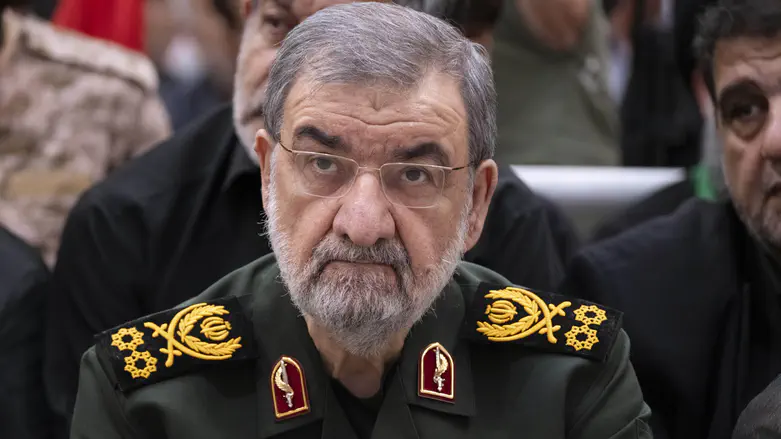
Iran’s recent remarks highlight its dissatisfaction with the United States’ response to proposals regarding the reopening of the Strait of Hormuz, a vital maritime route. Tehran argues that Washington has not adequately addressed the seven critical conditions set out by Iran, which must be met before maritime traffic can resume.
Iran’s Position on the Negotiations
Mohsen Rezaei, the secretary of Iran’s Supreme National Security Council, expressed that the American response has fallen short of expectations. He conveyed the assessment through Iranian state media, emphasizing that indirect discussions continue, mediated by regional intermediaries. Iran originally submitted its proposal during the United Nations General Assembly, presenting the conditions necessary for reopening the Strait of Hormuz. They asserted that they could restore normal shipping operations within a week, contingent on U.S. acceptance of these stipulations.
After receiving the American position through Qatari intermediaries, Rezaei remarked that while the U.S. has acknowledged some of Iran’s requirements, many aspects remain ambiguous. He clarified that Iran would not pursue negotiations until all stipulated conditions are met, reiterating their firm stance on this matter. This response indicates a significant level of frustration from Tehran, which desires more clarity and comprehensive acknowledgment from Washington regarding its demands.
Ongoing Diplomatic Efforts
Despite the lack of a formal agreement, negotiations between the two countries persist. Since the proposal was made, active discussions have been ongoing as both sides communicate through intermediaries, including Qatar. Tehran has indicated its readiness to wait for further clarification from Washington rather than framing another response, suggesting a shift in tactics. By stepping back from direct replies, Iran is signaling its unwillingness to engage in subsequent rounds of negotiation without satisfactory conditions being met.
The White House has not commented on Iran’s interpretation of its response, leaving many questions unanswered. This scenario opens the door for speculation about the potential escalation of tensions should negotiations prove fruitless. Reports highlight that President Donald Trump is currently weighing options that may include military operations while considering avenues for diplomacy. This dual approach aims to keep pressure on Iran while still leaving a channel open for negotiations.
Future Implications of the Stalemate
As diplomatic channels remain active yet unproductive, the situation in the Strait of Hormuz becomes increasingly precarious. The strategic importance of this waterway cannot be overstated, as it serves as a major route for global oil transportation. Any escalation in conflict could markedly affect international markets and fuel supply chains.
Trump’s recent assertions suggest that he anticipates a resolution, though he remains open to military options should the need arise. However, the administration’s strategy remains cautious, particularly in light of the upcoming midterm elections, which may influence decision-making processes. Military planners have reportedly developed strategies for intensive strikes targeting critical Iranian infrastructure, yet the administration’s public stance focuses on negotiation and pressure rather than immediate military action.
In summary, while both Iran and the United States engage in back-channel communications, the lack of clarity on preconditions threatens the stability of future dialogues. Iran’s insistence on meeting its seven conditions signifies a pivotal moment in these negotiations, setting the stage for either diplomatic resolution or escalating tensions in the region.