
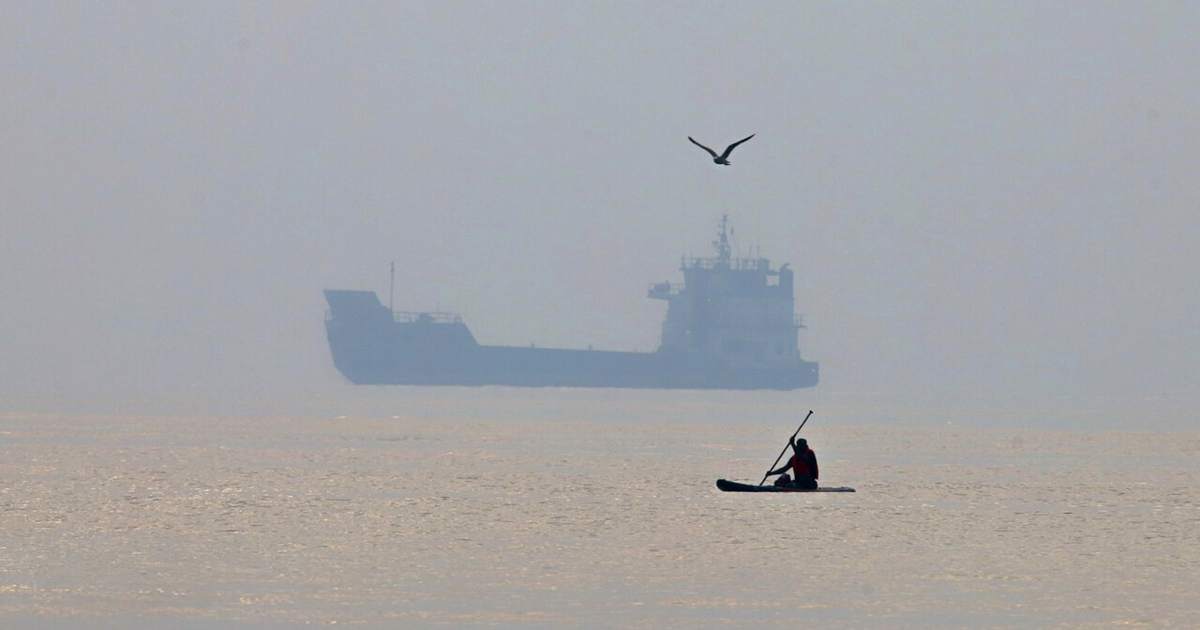
Efforts to bring an end to the conflict with Iran and reestablish secure shipping channels through the Strait of Hormuz have hit a standstill. This ongoing tension is evident as military maneuvers at sea persist, while Iran-aligned Houthis escalate their assaults within Saudi Arabia.
Ongoing Tensions in the Strait of Hormuz
The Strait of Hormuz, a critical maritime corridor for global oil transport, has increasingly become a flashpoint for geopolitical strife. Despite widespread calls for peace, the situation remains precarious. Introduced as a vital passage, the strait is crucial not only for regional stability but also for the global economy. Persistent military engagements have escalated fears of a broader confrontation that could disrupt oil supplies and affect markets worldwide.
Houthi Attacks Intensifying
In addition to the maritime confrontations, the Iran-backed Houthis have ramped up their offensive operations inside Saudi Arabia. These attacks are not only increasing in frequency but also in their lethality, posing serious threats to both Saudi civilians and military installations. The strategic implications of these attacks are significant, as they aim to undermine Saudi Arabia’s defense capabilities and could provoke a response that exacerbates existing tensions.
The Role of International Diplomacy
As these conflicts unfold, the importance of international diplomacy cannot be overstated. World powers continue to advocate for negotiations to de-escalate tensions. However, attempts to mediate have struggled to gain traction amidst the ongoing hostilities. Key stakeholders must collaborate to establish a comprehensive dialogue that addresses not only the immediate threats but also the underlying issues fueling this conflict. Without concerted diplomatic efforts, the potential for miscalculation and further violence looms large.
Consequences of Continued Conflict
The ramifications of the standoff extend beyond the immediate military engagements. International shipping routes remain at risk, leading to fluctuations in global oil prices that can have ripple effects on economies worldwide. Moreover, the humanitarian toll of sustained conflict cannot be ignored, as civilians bear the brunt of military actions, leading to displacement and suffering. The need for a peaceful resolution has never been more critical, as continued hostilities threaten to enmesh the region in a cycle of violence that could be hard to break.
In conclusion, the efforts to resolve the conflict with Iran and secure the Strait of Hormuz are in a precarious state. With military pressures escalating and the Houthis conducting more aggressive attacks, the international community must urgently prioritize diplomatic solutions. The stability of the region, and indeed the global economy, hangs in the balance, making it essential for all parties involved to seek a role in constructive dialogue and lasting peace.