
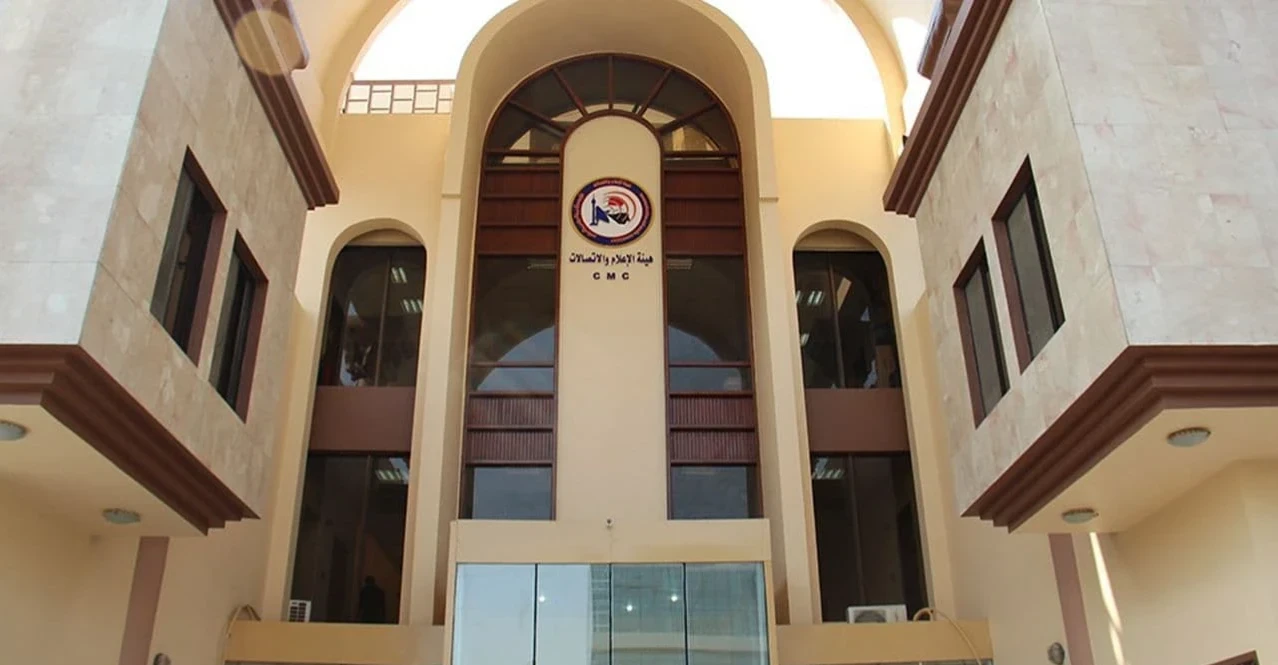
Political analyst Najah Mohammed Ali Askar has been barred from appearing on any media platforms in Iraq for a full year, according to a ruling by the Communications and Media Commission (CMC). This decision highlights ongoing issues surrounding press freedom and regulation in the region.
Details of the Ban
The CMC announced that the ban resulted from a notice issued by Baghdad’s Al-Karkh First Investigation Court, which indicated that Askar had not appeared before the courts and was considered a “fugitive defendant.” Although the court did not detail the specific charges against him, the implications of the ruling are significant. As a consequence of this ban, all media outlets, regardless of whether they are local or international, are prohibited from hosting or covering him. The CMC has threatened legal action against any media entity that defies this directive, emphasizing the consequences of non-compliance.
Prior Sanctions
This recent sanction is not Askar’s first encounter with media restrictions. Earlier in March, the CMC had already imposed a 45-day media ban on him due to a post on social media deemed to violate broadcasting regulations. These offenses included the incitement of violence and the dissemination of false information. Such actions reflect a growing trend of stringent oversight on media and public discourse in Iraq, raising concerns about freedom of expression in the region.
Implications for Press Freedom
The situation brings to light Iraq’s deteriorating stance on media freedom. According to Reporters Without Borders, Iraq ranks 162nd out of 180 countries in its 2026 World Press Freedom Index, a significant drop from the 155th position in 2025. The Journalists’ Rights Defense Association reported 182 violations of press freedoms in Iraq last year, with numerous incidents involving obstructed reporting and the confiscation of equipment. Such figures underline the precarious reality facing journalists and analysts, further complicating the already challenging environment for free expression.
Legal Protections and Restrictions
Article 38 of Iraq’s Constitution guarantees the right to freedom of expression and media. However, organizations like the Iraqi Observatory for Human Rights indicate that broad legal provisions and administrative barriers often inhibit this freedom in practice. This paradox raises urgent questions about how rights and freedoms are defined and upheld in a political landscape marked by significant legal constraints. In light of these issues, observers are increasingly concerned that the legal framework may be used selectively to silence dissenting voices.
The extended ban on Najah Mohammed Ali Askar is emblematic of a larger trend in Iraq, where media personnel face escalating scrutiny and regulatory control. The ongoing restrictions not only threaten individual analysts but also pose a broader risk to the principle of press freedom in the country. As international attention focuses on such developments, the situation serves as a critical reminder of the importance of safeguarding journalistic integrity and freedom of expression.