
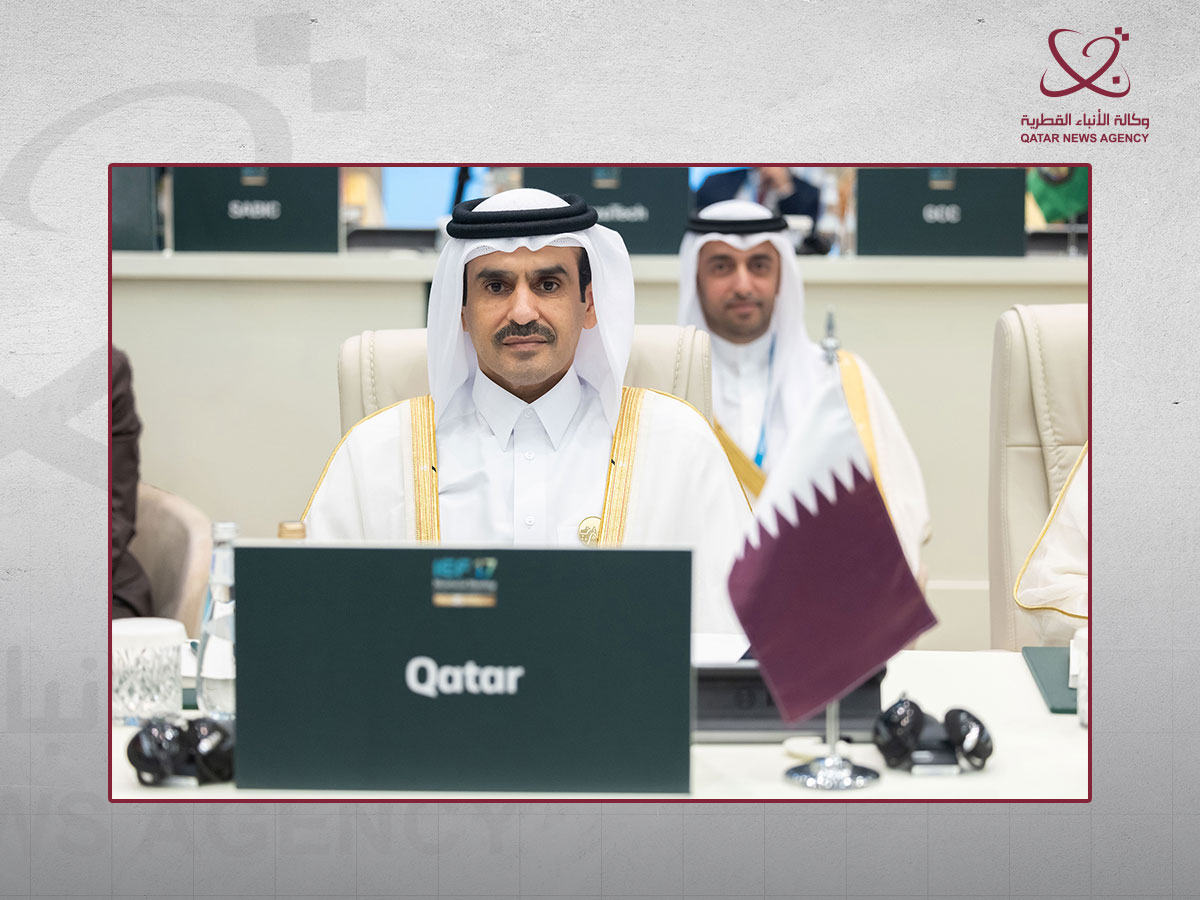
Riyadh recently hosted the 17th International Energy Forum Ministerial Meeting, where key global energy figures gathered to address pressing issues surrounding energy security. A primary focus of the meeting was the need to prioritize energy above political interests, as emphasized by HE Minister of State for Energy Affairs and QatarEnergy President and CEO Saad bin Sherida Al Kaabi. His message underscored a critical juncture for energy dialogues worldwide, advocating for a new energy paradigm.
The Call for a New Energy Order
Al Kaabi’s remarks set the tone for a transformative discussion on energy policies. He called for a restructured energy landscape, one that keeps energy responsibilities untainted by political conflicts and geopolitical strife. This appeal addressed the urgent need for stability and collaboration in the global energy market, particularly in light of recent conflicts that have severely disrupted energy flows. His Excellency’s vision emphasizes that energy should be a source of cooperation, not contention, and must be shielded from being used as a bargaining chip during disputes.
Compassion Amid Crisis
In expressing solidarity with Saudi Arabia amidst ongoing conflicts, Al Kaabi emphasized the human impact of these geopolitical tensions. He extended his condolences to the families affected by violence and highlighted the substantial ramifications on energy supplies. The Minister noted that current regional conflicts have resulted in the worst energy crisis the world has seen, affecting nearly 20% of global hydrocarbons. This has led to economic challenges and forced global markets into turmoil, highlighting the vulnerable nature of energy security globally.
Addressing Energy Vulnerability
Al Kaabi pointed out a crucial lesson from recent events: energy security is inextricably linked to geopolitical stability. His statement reflects a growing awareness that inadequate energy provisions can lead to broader socioeconomic issues. Alarmingly, one billion people still lack reliable access to electricity, and approximately four billion rely on fertilizers for food production. The Minister highlighted that these deficits remain critical problems that should compel collective action to ensure reliable energy supplies and mitigate human suffering.
Protecting Energy Infrastructure
At the Forum, Al Kaabi urged attendees to explore all viable solutions for safeguarding energy infrastructure, which has increasingly been targeted in conflicts. He characterized this dual nature of energy infrastructure—as both an economic resource and a military target—as a significant issue that demands immediate attention. His call to action resonated with the need for collective commitment to energy security, urging that such a vital resource must unite rather than divide nations. By prioritizing energy security, stakeholders can fortify infrastructures and ensure that energy remains a promise of progress, free from the grips of conflict and politics.
The discussions from this critical gathering underscore the need for proactive initiatives aimed at fostering energy cooperation and protection against geopolitical uncertainties. Al Kaabi’s message serves as a rallying cry for countries to consider energy as a fundamental element of global coexistence rather than a weapon of division. This vision aligns well with the responsibility of global stakeholders to ensure sustainable and secure energy access for all.