
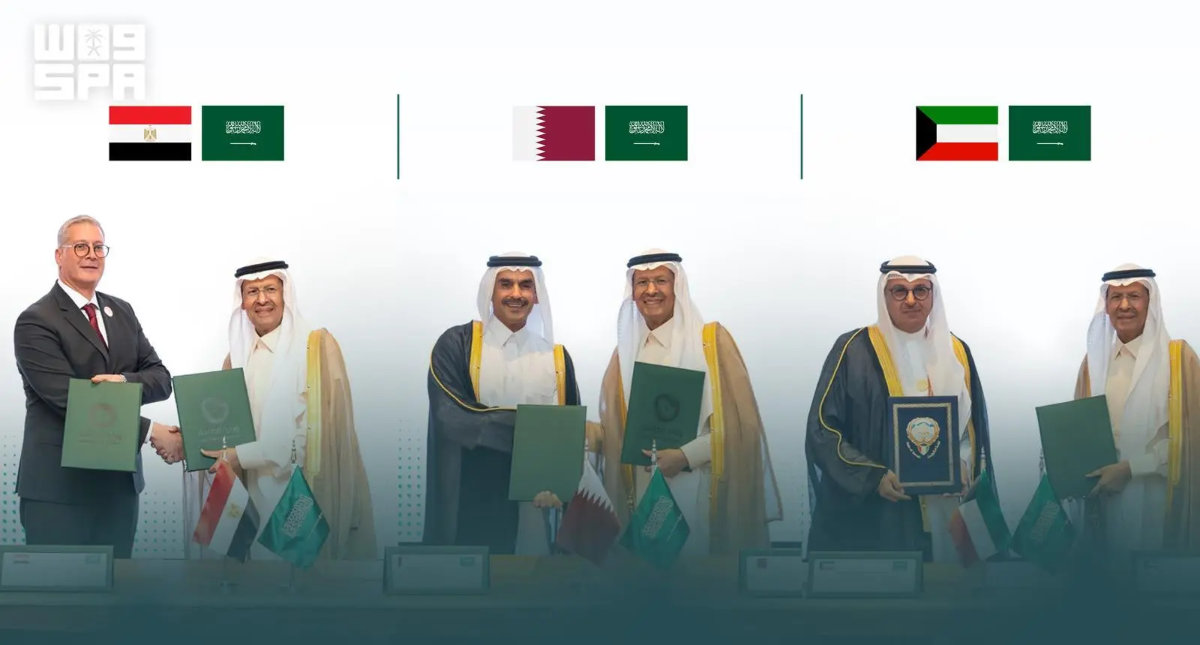
Saudi Arabia is forging stronger ties in the energy sector by signing cooperation agreements with neighboring countries, including Kuwait, Qatar, and Egypt. These partnerships underscore the nation’s commitment to enhancing regional energy security and collaboration.
Strengthening Regional Energy Security
The recent agreements highlight Saudi Arabia’s strategic vision to bolster energy security in the region. By partnering with Kuwait, Qatar, and Egypt, Saudi Arabia aims to create a more resilient and integrated energy market. This collaboration encourages resource sharing, which can lead to more stable energy prices and improved infrastructure across the Gulf region.
Through these initiatives, Saudi Arabia not only solidifies its leadership role in the Middle East but also demonstrates a commitment to sustainable energy practices. By working together, the countries involved can pool their resources and expertise, paving the way for innovative energy solutions and projects that benefit all parties.
Partnerships Focused on Renewable Energy
One of the notable aspects of these energy cooperation agreements is the emphasis on renewable energy. As global demand for sustainable energy sources increases, the partnership aims to explore opportunities in solar and wind energy development. Saudi Arabia, with its abundant sunlight and wind potential, can lead the charge in renewable energy projects, while Kuwait, Qatar, and Egypt contribute their unique resources and technological advancements.
This focus on renewables is crucial for meeting international climate goals and supporting each country’s transition towards a low-carbon economy. By collaborating on renewable energy projects, these nations can not only enhance their energy portfolios but also play a significant role in combating climate change.
Economic Benefits and Job Creation
The economic implications of these cooperation agreements extend beyond energy security and sustainability. By fostering collaborative projects, Saudi Arabia aims to stimulate economic growth in the region. Prioritizing investments in energy infrastructure can lead to job creation in various sectors, from construction to engineering and technology.
Increased collaboration among these nations can also attract foreign investment, as the collective strength of these partnerships presents a compelling case for investors interested in the energy sector. The ripple effect can benefit local businesses and communities, creating a more robust economic landscape throughout the region.
Impacts on the Global Energy Landscape
The Saudi-Iranian agreements are poised to have a wider impact on the global energy landscape. Given the strategic location of these countries and their vast energy resources, enhanced cooperation can influence global energy supply chains, security, and pricing strategies. As the world shifts toward sustainability, a united front in the Middle East could become integral to balancing traditional energy sources with renewables.
By taking proactive steps to secure energy partnerships, Saudi Arabia, Kuwait, Qatar, and Egypt are positioning themselves as key players in the future of energy. As these initiatives unfold, the collaborative efforts may set a precedent for other regions to follow suit, emphasizing the importance of unity in tackling global energy challenges.
In summary, the energy cooperation agreements among Saudi Arabia, Kuwait, Qatar, and Egypt symbolize a significant development in regional collaboration. By focusing on energy security, renewable projects, economic growth, and global energy influence, these countries aim to carve out a sustainable and prosperous future together.