
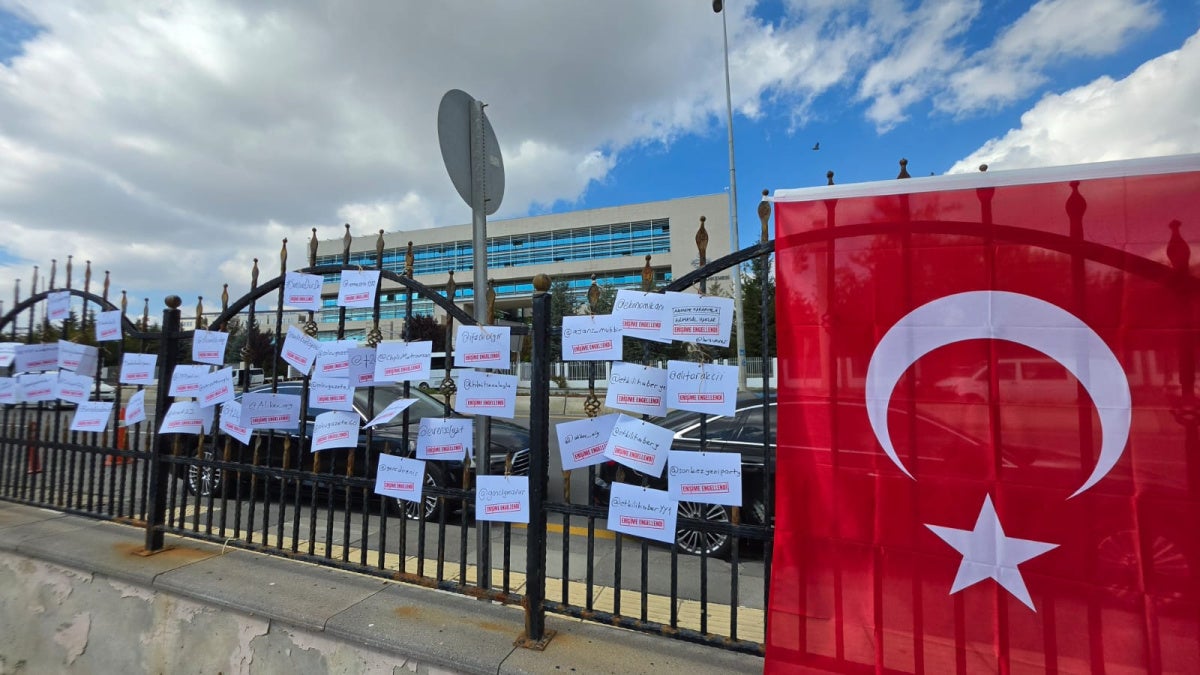
The issue of internet censorship in Türkiye has garnered significant attention, leading to widespread calls for reform. As civil liberties in the digital space continue to be compromised, the need for transparency and freedom of expression becomes ever more critical. Here, we explore the challenges of internet censorship in Türkiye and the importance of safeguarding online freedoms.
The State of Internet Censorship in Türkiye
In recent years, Türkiye has implemented increasingly restrictive measures on internet access and freedom of expression. These regulations have often been justified as necessary for maintaining national security and public order. However, critics argue that such justifications serve to suppress dissent and diminish public discourse. Many websites, including popular social media platforms, face intermittent blocks or slowdowns, making it challenging for users to express their opinions freely. This environment has fostered a chilling effect, where individuals refrain from sharing their thoughts for fear of repercussions.
The Impact on Freedom of Expression
The suppression of online speech in Türkiye raises alarming questions about the state of democracy in the country. When citizens are unable to freely discuss political issues, social injustices, or government actions online, the very foundation of democratic governance is undermined. A vibrant public sphere is essential for fostering community dialogue and accountability. The arts, journalism, and academic discourse all suffer when individuals feel they must self-censor. This not only impacts the quality of information available to the public but also inflicts long-term damage on societal cohesion and trust.
International Reactions and Advocacy Efforts
The global community has not remained silent on Türkiye’s internet censorship practices. Human rights organizations, technology advocates, and foreign governments have voiced their concerns, calling for reforms that prioritize digital freedoms. Campaigns encouraging the use of virtual private networks (VPNs) and other tools to bypass censorship have gained traction, empowering users to reclaim their digital spaces. Advocacy efforts emphasize the necessity for legislation that respects citizens’ rights to free speech and access to information without undue interference from the state.
Looking Ahead: A Call for Change
As Türkiye attempts to navigate the balance between security and freedom, it is crucial for the government to adopt policies that favor open communication and transparency. The need for a robust and independent regulatory framework has never been more pressing. By engaging with international norms and promoting collaboration with civil society, Türkiye could set a precedent for digital rights in the region. Encouraging a culture of openness and inclusivity would not only strengthen democracy but also secure the trust of its citizens.
In conclusion, the fight against internet censorship in Türkiye is far from over. Both local and international stakeholders must work in unison to foster a digital environment that champions freedom of expression and protects the rights of individuals. Empowering citizens to speak out against injustices and encouraging diverse perspectives online are fundamental to the health of any democracy. The road ahead may be challenging, but the potential for positive change hinges on collective action and unwavering commitment to the ideals of a free and open internet.