
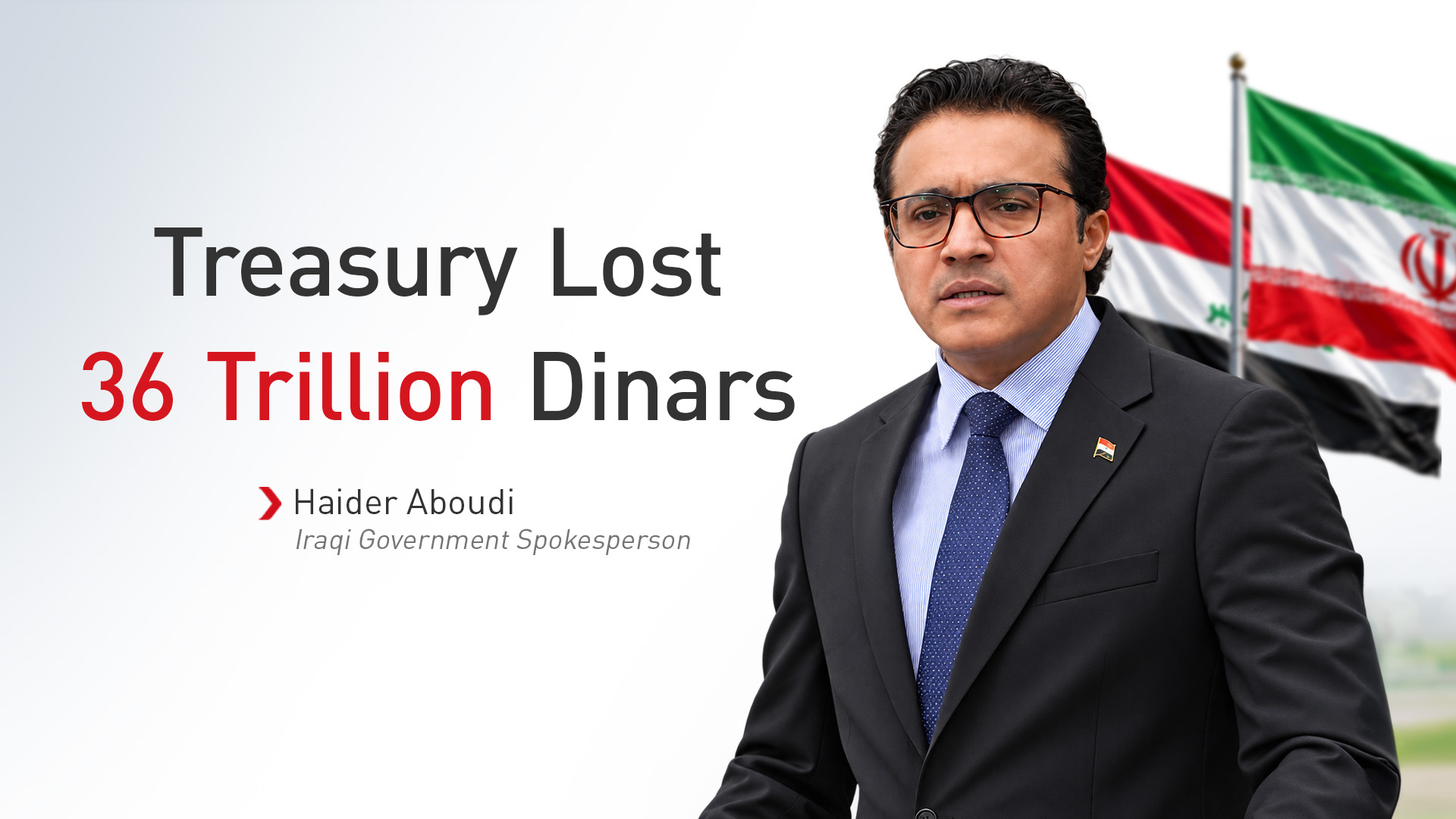
Iraq’s current economic situation is pressing, with the government reporting a staggering loss of over 36 trillion dinars due to fluctuations in the exchange rate, compounded by oil export disruptions. As the nation grapples with fiscal strain, the impacts of these changes are reverberating through the economy.
Severe Economic Pressures and Oil Export Challenges
The Iraqi government is facing significant hardships, as articulated by spokesperson Haider Aboudi. He stated that the country’s financial landscape is increasingly strained, exacerbated by ongoing challenges in oil exports. Notably, an appeal to Iran to facilitate the passage of Iraqi oil through the Strait of Hormuz went unanswered, highlighting the limited options for Baghdad during this tumultuous period. With most of Iraq’s crude leaving through southern ports into the Gulf, any disruptions along this route have a direct impact on revenue, crippling the already oil-dependent state.
The fiscal troubles have been deepened by a recent adjustment in the exchange rate, which has further destabilized the economy. Efforts to bolster the state treasury have been met with criticism of previous government policies, particularly those under former Prime Minister Mohammed Shia al-Sudani. The measure to decrease the official dollar exchange rate earlier this year resulted in a loss of 36 trillion dinars, placing further strain on the treasury and limiting the state’s capacity to meet its financial obligations.
Impact of Exchange Rate Adjustments
The dynamic between currency valuation and government revenues is crucial in understanding Iraq’s financial crisis. The Iraqi government operates primarily in dollars through oil sales while domestic obligations are paid in dinars. When the dinar strengthened in 2023, each dollar earned from oil yielded fewer dinars to the budget, creating a significant fiscal deficit. In a strategic shift, the current government has recently raised the exchange rate to 1,520 dinars per dollar, leading to immediate market volatility. The parallel market for currency has escalated, showing rates above 160,000 dinars for $100.
This exchange rate adjustment has not only led to increased prices for essential goods, including food, but also intensified inflationary pressures for households reliant on fixed incomes in dinars. Aboudi has pointed to opportunistic trader behavior that exacerbates these price increases, asserting that many businesses are utilizing the uncertainty surrounding the exchange rate change to inflate costs unjustifiably.
Policy Responses and Future Directions
In response to these challenges, the government is poised to announce new measures aimed at stabilizing the market and ensuring a steady supply of critical goods. Although officials remain tight-lipped about the specifics and implementation timeline of these actions, the goal is clear: mitigate the effects of oil-export constraints and exchange-rate fluctuations on consumers.
The withdrawal of oil exports and rising costs present a double-edged sword for Baghdad. A weaker dinar could convert oil revenue into more local currency, easing the burden of salary payments; however, the increase in the dollar rate risks driving up the cost of imports and worsening inflation. As Iraq balances these competing pressures, the government faces monumental challenges in protecting public finances while responding effectively to pressing economic demands.
With prospects for resolving the Strait of Hormuz passage remaining dim, the ability of Iran to assist Iraq during this critical juncture is uncertain. The path forward necessitates careful navigation to safeguard public finances while managing both domestic stability and economic resilience. Future policies will need to focus on addressing supply chain vulnerabilities and restoring confidence in a turbulent economic landscape.