
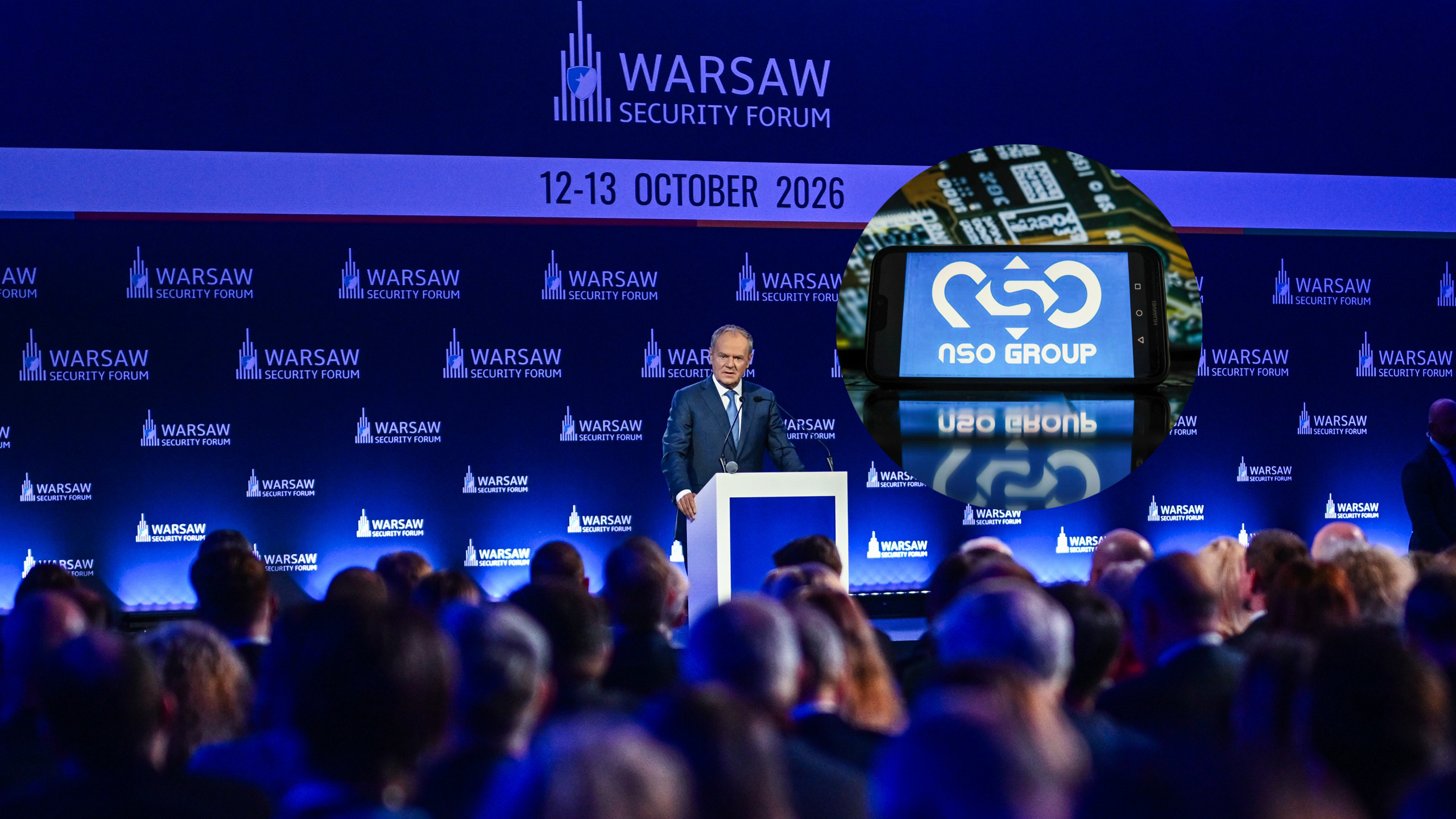
Polish prosecutors have raised serious concerns regarding Israeli access to sensitive surveillance data, prompting a reevaluation of Poland’s defense relationships amid shifting geopolitical alliances. This scrutiny comes as Warsaw increases defense cooperation with Turkey and other European nations, which are reconsidering their reliance on Israeli military technology.
Concerns Over Surveillance and National Security
Recent findings revealed that NSO Group, the Israeli firm behind the controversial Pegasus spyware, maintained technical access to sensitive data collected by Poland’s Central Anti-Corruption Bureau (CBA). Prime Minister Donald Tusk dubbed these revelations a “crime against the state,” suggesting that past administrations irresponsibly allowed an Israeli company—and potentially Israeli intelligence—access to critical information about Polish citizens and political figures. As Poland grapples with the implications of these findings, the situation complicates its relationships with Israel, particularly in light of the existing tensions related to Israel’s actions in Gaza.
At the recent Warsaw Security Forum, Polish defense expert Jacek Bartosiak minimized Israel’s importance as a key security partner, aligning Poland’s interests more closely with Turkey and other nations. Bartosiak emphasized that Ukraine, Sweden, Finland, and Turkey are now viewed as essential allies. He suggested the ongoing Israeli reluctance to provide military support to Ukraine reflects a broader reassessment of alliances within Europe.
Political Ramifications and Domestic Oversight
The investigation into the Pegasus spyware has implications beyond mere access to data; it exposes gaps in internal oversight and accountability. The National Prosecutor’s Office found that the CBA did not have full control over the Pegasus system, with vital administrative passwords reportedly missing. Furthermore, the modules used for mobile phone infections remained under NSO’s exclusive control, translating to potential vulnerabilities for national security. While investigators were unable to confirm whether NSO exploited its access during specific surveillance operations, allegations from Tusk indicated a deeper complicity with Israeli intelligence, raising alarm bells about data sovereignty and privacy.
A parliamentary commission’s recent findings highlighted that the use of Pegasus was not adequately vetted, as judges authorizing surveillance lacked full knowledge of the spyware’s capabilities. The report revealed that the CBA purchased Pegasus without the necessary security accreditations, leading to a troubling environment where political opponents and other citizens were monitored with little oversight.
Shifting Defense Dynamics
Despite these controversies, Poland has not fully severed its defense ties with Israel. In fact, Warsaw recently signed contracts worth substantiate amounts for Israeli military technology, such as advanced coastal-surveillance systems and anti-tank missiles manufactured under license. However, opinions on future contracts may be shaped by Poland’s evolving geopolitical priorities and the political landscape concerning Israeli policies.
Turkey’s burgeoning defense presence in Europe presents Poland with alternatives, positioning Ankara as a more favorable partner in the struggle against Russian expansionism. The ongoing collaborations with Turkish defense manufacturers indicate a deliberate pivot toward diversifying supply chains from Israel, particularly when faced with communal security threats. According to Bartosiak, these shifting alliances reflect Poland’s long-standing historical ties with Turkey and a strategic focus on bolstering regional security.
A Complex Future
The unfolding situation highlights the complexities of modern defense procurement, where political considerations and security needs intersect. As Poland reassesses its military partnerships, the influence of Israeli technology may face new challenges from competing offers, particularly from Turkey. The emphasis on local production and European collaboration reflects a growing desire for autonomy tailored to Poland’s specific threat environment.
While the Pegasus scandal will likely affect public perception and possibly lead to tighter regulations surrounding surveillance technologies, Poland’s need for robust defense solutions against Russia remains paramount. These dynamics illustrate the delicate balancing act in aligning military capabilities while navigating commercial relationships in an increasingly multifaceted European defense landscape.