
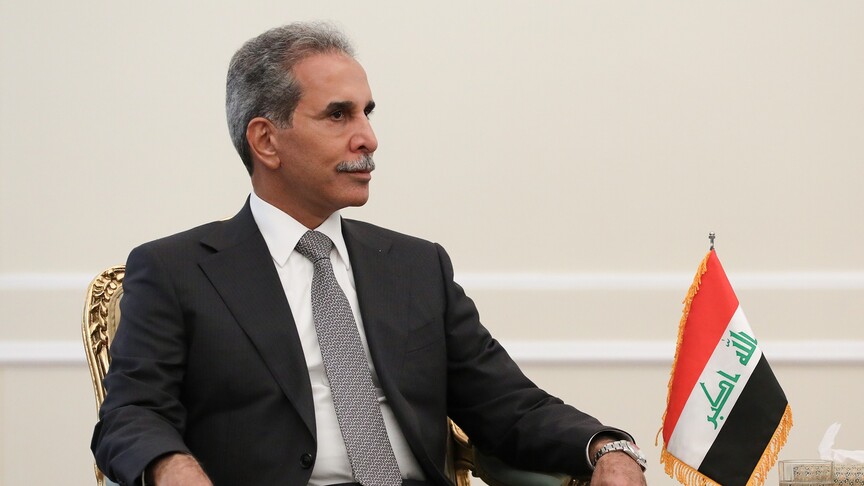
On October 13, 2026, discussions regarding the enhancement of legal and judicial collaboration took place in Baghdad between Faiq Zidan, the President of Iraq’s Supreme Judicial Council, and Tom Barrack, the US special presidential envoy to Iraq. This meeting signifies another step in strengthening Iraq-U.S. relations, particularly in the legal framework that governs their interactions.
Strengthening Iraq-U.S. Relations
During the meeting, Zidan and Barrack engaged in a dialogue aimed at fostering closer ties between Iraq and the United States, particularly within the realm of judicial and legal cooperation. This exchange reflects a growing recognition of the need for stronger diplomatic relations, especially following the recent shift in military presence by the U.S. in the region. While the details of specific proposals or agreements remain undisclosed, the very act of dialogue underscores the importance both countries place on partnership in governance and law enforcement.
This meeting followed a crucial conversation Barrack had with Iraq’s Foreign Minister, Fuad Hussein, just two days prior in Istanbul. Their discussions revolved around the trajectory of bilateral relations in the wake of the conclusion of the U.S-led coalition’s military operations in Iraq. Emphasizing the transition from military involvement to greater diplomatic engagement, this dialogue marks a pivotal moment in the U.S.-Iraq relationship, particularly focusing on economic stability and regional security.
The Economic Context and Regional Stability
According to the Iraqi Foreign Ministry, the discussions between Barrack and Hussein also touched upon significant economic concerns, including the fluctuating exchange rate of the Iraqi dinar. Such topics are crucial as Iraq navigates a complex economic landscape that has been heavily impacted by both internal and external pressures. The ability of Iraq to stabilize its economy will play a key role in the nation’s overarching security and stability, making these discussions particularly timely and necessary.
Furthermore, regional conflicts were also a part of the dialogue, highlighting how these issues continue to influence Iraq’s domestic stability. By addressing these multifaceted regional challenges, the U.S. and Iraq are working towards a framework that not only enhances bilateral cooperation but also prioritizes the safety and economic prosperity of the Iraqi people.
Previous Encounters and Future Prospects
This isn’t the first time Zidan and Barrack have convened for discussions. Earlier in February, they addressed judicial processes relating to detainees who were transferred from Syria. Their meeting in June further reinforced the importance of Iraq’s judiciary, with Barrack acknowledging its vital role in fulfilling the country’s constitutional mandates. This ongoing collaboration indicates a solidifying partnership rooted in a mutual understanding of the critical role of law and governance in both nations.
With the official termination of the U.S.-led coalition’s mission in Iraq on September 30—a mission that lasted nearly 12 years and was primarily aimed at combating the ISIS (Daesh) terrorist threat—there is a clear shift towards a more cooperative bilateral relationship. This transition not only alters strategic military dynamics but also paves the way for enhanced legal frameworks and economic collaboration.
As Iraq continues to initiate dialogues on judicial cooperation with the U.S., the outcomes of these discussions could significantly influence the nation’s path toward stability and progress. Through sustained engagement and partnership, both countries are likely to strengthen their ties, focusing on shared values and mutual interests in governance, judiciary, and economic stability.