
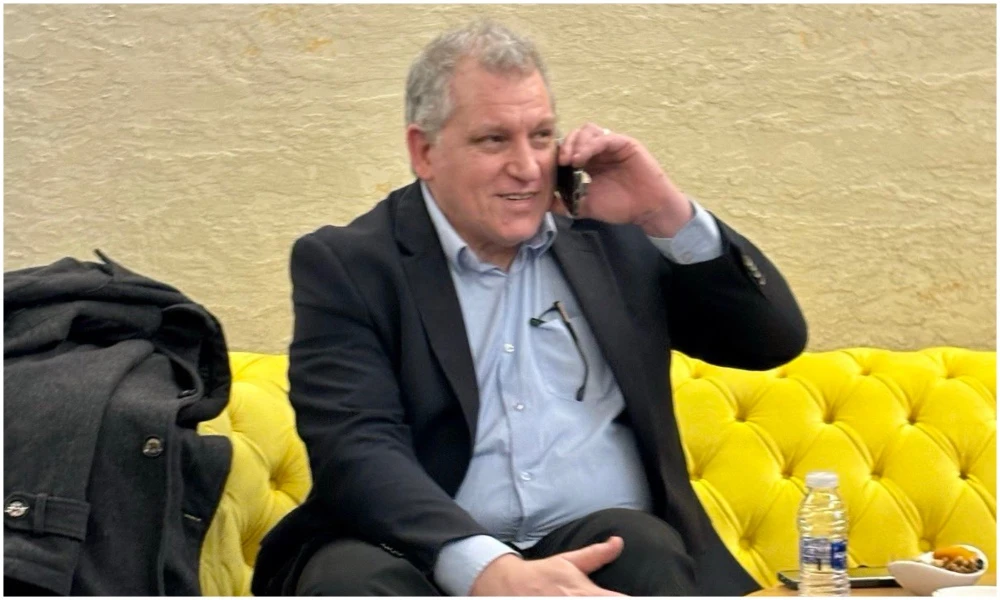
Robert Pether’s recent release from an Iraqi prison marks a significant and emotional milestone after a five-year ordeal that has captured international attention. The Australian construction engineer was detained in April 2021 under allegations of embezzlement amid a complex contractual battle involving CME Consulting and Iraq’s Central Bank. His arrest, alongside a colleague, has been met with widespread condemnation from international bodies, including human rights organizations.
Background of the Arrest
Pether and his colleague were apprehended in Baghdad during a time of escalating tensions over contract disputes with the Central Bank. Both men maintained their innocence, claiming to have been coerced into signing false confessions in Arabic. Reports from the United Nations indicate that they endured nearly six months of detention without formal charges and faced harsh interrogation tactics during that time. An Iraqi court eventually sentenced Pether to five years in prison and levied a staggering fine of $12 million, a decision that has since garnered scrutiny.
Health Concerns and Release
In June 2025, Pether was released from prison due to health issues; however, he remained in Iraq under a travel ban until a recent ruling from an Iraqi court lifted these restrictions due to insufficient evidence against him. His freedom has prompted relief not only from his family but also from officials in both Australia and Ireland. As Pether makes his way back to Dublin, he reunites with his family for the first time since his arrest, bringing an end to a grueling chapter in their lives.
International Reaction
Penny Wong, Australia’s Foreign Minister, confirmed that Pether was finally on his way home, while Irish Foreign Minister Helen McEntee expressed her happiness over the reunion. She emphasized the difficulties faced by Pether and his family during his imprisonment, stating, “This brings to an end an extraordinarily difficult period for Robert, his wife Desree, and their children.” The emotional weight of these remarks underscores the broader implications of Pether’s situation, illustrating how international diplomacy and human rights intersect.
The case also has wider ramifications for Australia and Iraq’s diplomatic relations, particularly concerning issues of due process and treatment of foreign nationals. Following Pether’s ordeal, the International Chamber of Commerce ruled in favor of CME Consulting in the contractual dispute, marking the Central Bank of Iraq at fault and ordering it to pay $13 million in compensation. This ruling raises questions about the integrity of the Iraqi judicial system and its handling of foreign contractors.
A Family’s Relief
Desree, Pether’s wife, described the last few months as a “nightmare” and expressed her relief at his return, highlighting the series of obstacles that had delayed his journey home. Their family can now begin to heal from the emotional toll of his unjust imprisonment.
In summary, Robert Pether’s return to Ireland is a testament to the struggles many face in international business environments fraught with legal and diplomatic challenges. As he reunites with his family and reflects on his experiences, the case will likely influence future conversations around human rights and legal practices in Iraq, ensuring that voices like his are heard as advocates for integrity and justice.