
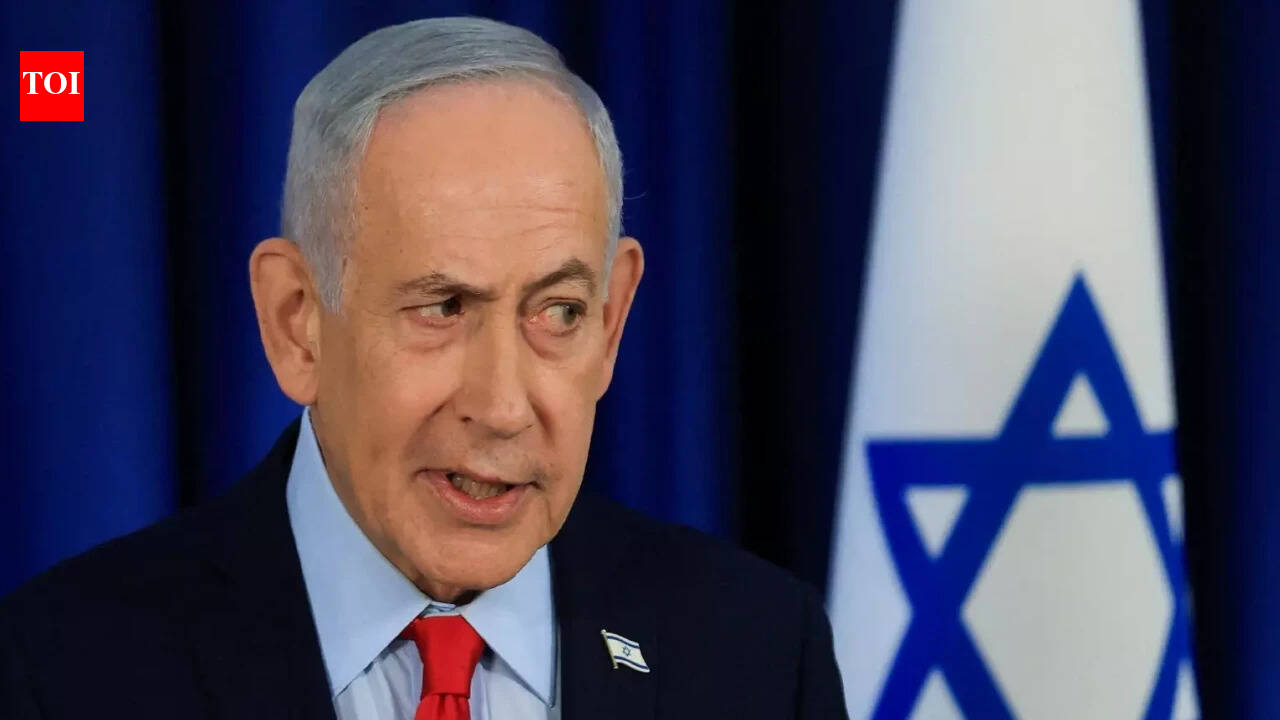
Israeli Prime Minister Benjamin Netanyahu is currently pursuing Saudi Arabia’s endorsement for Israel to partake in military actions against Yemen’s Iran-affiliated Houthi rebels. According to a report by Haaretz, a notable Israeli news outlet, this diplomatic endeavor is being facilitated with the help of U.S. mediation. However, there are significant hurdles, particularly stemming from Saudi Crown Prince Mohammed bin Salman’s reluctance to allow Israeli military participation, largely due to concerns about potential repercussions among the Saudi populace.
Netanyahu’s Diplomatic Strategy
Beyond the immediate military considerations, Netanyahu’s approach aims to solidify relations with Riyadh and possibly lay the groundwork for a future normalization agreement between Israel and Saudi Arabia. The ex-U.S. President Donald Trump had long championed such a normalization effort as part of the Abraham Accords, emphasizing regional peace and collaboration. Although discussions seemed to be advancing in early 2023, the landscape shifted dramatically following Hamas’s assault on October 7 and the subsequent escalation of conflict in Gaza, which have hindered broader regional diplomatic endeavors.
Saudi Arabia has consistently stated that it will not normalize relations with Israel unless tangible progress is made toward establishing a Palestinian state. However, Netanyahu has shown resistance to the concept of Palestinian statehood, which presents a significant barrier to any prospective agreement. The diverging positions of both leaders underscore the complexities of their diplomatic dance, with the Palestinian issue remaining a cornerstone of Saudi Arabia’s foreign policy decisions.
Escalating Houthi Attacks and Regional Security Concerns
The backdrop to these diplomatic negotiations is a worrying escalation of Houthi assaults on Saudi territory. Recent strikes have included attacks on critical infrastructure, such as Riyadh’s King Khalid International Airport, leading to significant casualties, including the deaths of at least 12 individuals in a ballistic missile strike, and over 300 reported injuries. Netanyahu openly condemned the airport attack as a “horrific terrorist act,” expressing sympathy to the victims’ families on behalf of Israel, indicating a complex intertwinement of humanitarian concerns and military strategy.
The Houthis’ intensified actions pose a direct threat to Saudi Arabia and have amplified worries regarding regional stability and the safety of strategic maritime routes like the Bab el-Mandeb Strait. This vital shipping corridor plays a crucial role in facilitating global trade, and any military intervention by Israel in this context could further complicate Riyadh’s already precarious position. Given the growing domestic opposition to enhancing ties with Israel amid the unresolved Palestinian issue, the Saudi leadership faces a challenging dilemma.
The Road Ahead for Israeli-Saudi Relations
As Netanyahu continues to push for greater involvement in the Houthi conflict, the prospects for an Israeli role remain uncertain. Riyadh’s approval is indispensable for any Israeli military participation, and the Crown Prince’s apprehensions about domestic public sentiment are paramount. The ongoing conflict in Yemen and the broader geopolitical landscape are likely to frame future discussions between the two nations.
For the foreseeable future, relations between Israel and Saudi Arabia will experience a degree of tension as they navigate the complex realities of regional diplomacy, public opinion, and the pressing need for addressing long-standing conflicts such as that between Israel and Palestine. As both leaders strategize, it’s evident that while military collaboration might be on the horizon, the path to normalization remains fraught with challenges that necessitate careful diplomatic navigation.