
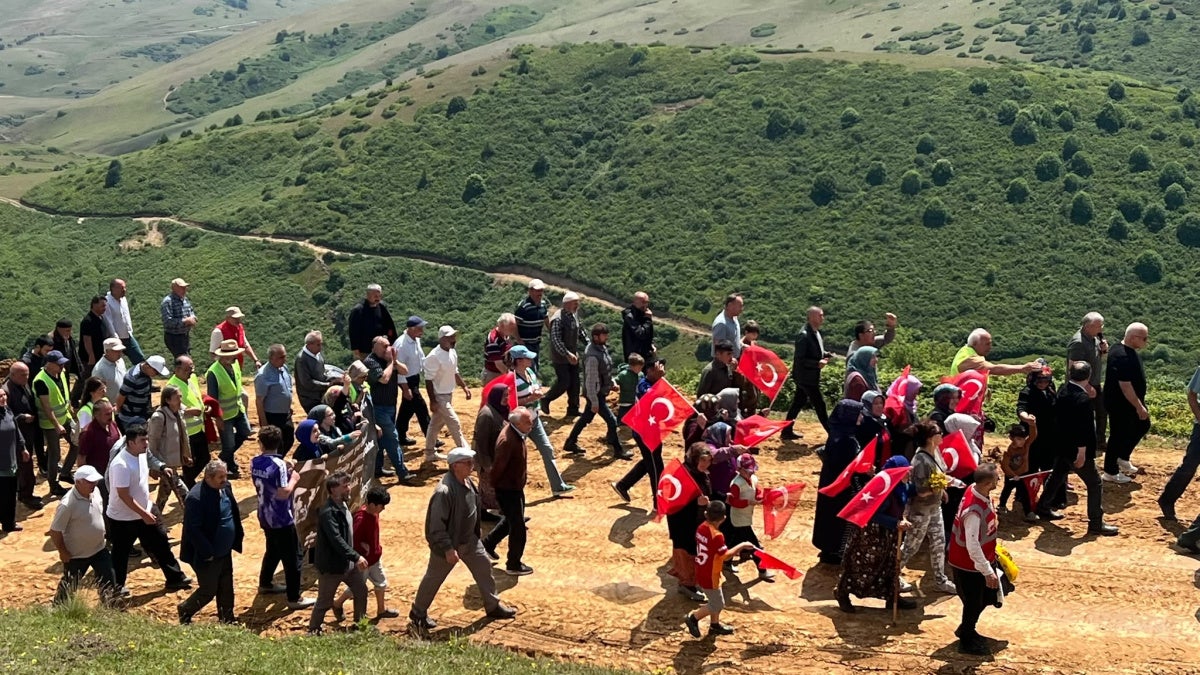
As Türkiye gears up to host the 2026 United Nations Climate Change Conference (COP31), alarming reports have emerged about the treatment of activists voicing their concerns regarding environmental issues. Human Rights Watch has highlighted a disturbing trend: authorities are reportedly detaining and prosecuting individuals participating in these crucial environmental demonstrations.
Wave of Arrests Against Activists
In the run-up to the COP31, authorities in Türkiye have intensified their crackdown on activists advocating for climate justice. Reports indicate a growing number of arbitrary arrests targeting those who are merely exercising their right to protest. This approach raises serious concerns about the commitment of the Turkish government to uphold fundamental human rights, particularly the right to freedom of expression. For many, these protests represent a vital outlet for raising awareness about the urgent need for progressive climate policies. However, the heavy-handed response by authorities threatens to silence dissenting voices at an important moment for global climate discourse.
Impact on Public Discourse and Activism
The ongoing suppression of environmental activism not only undermines the individual rights of protesters but also stifles broader public discourse surrounding climate change in Türkiye. With international attention focused on the country as it prepares for COP31, the treatment of activists casts a shadow over Türkiye’s ability to serve as a credible host for such a pivotal event. It raises the question of whether the government is genuinely committed to addressing climate issues or merely interested in maintaining a façade of environmental leadership. Many activists fear that this crackdown could discourage public participation and reduce the impact of future climate initiatives, as people may feel unsafe voicing their concerns.
International Ramifications
The arbitrary arrests and judicial actions against activists have international implications, especially as nations come together to discuss a global response to climate change. Türkiye’s handling of dissent raises concerns about its dedication to the principles of democratic governance and human rights. As countries gather to deliberate on measures to combat the climate crisis, the spotlight will undoubtedly be on how Türkiye manages both its environmental policies and the rights of its citizens. If the country is perceived as repressing legitimate environmental grievances, it risks losing credibility on the world stage, hampering collaborative efforts necessary for effective climate action.
Call for Global Solidarity
In light of the current situation, it is crucial for the international community to show solidarity with activists in Türkiye and demand accountability from its government. Global environmental organizations and human rights advocates must work together to highlight these issues, ensuring that the voices of those fighting for climate justice are not silenced. Public awareness and pressure can play a significant role in advocating for the rights of protesters and creating an enabling environment for activism. By shining a light on these injustices, the global community can help foster a more open dialogue on climate issues, making it clear that the right to protest is essential for a democratic society.
In conclusion, as Türkiye approaches COP31, the ongoing crackdown on environmental activists poses significant threats both domestically and internationally. It serves as a stark reminder that the struggle for climate justice is intricately linked to the fight for human rights. If Türkiye aims to be a leader in climate action, it must first ensure that the voices demanding change are heard and protected.