
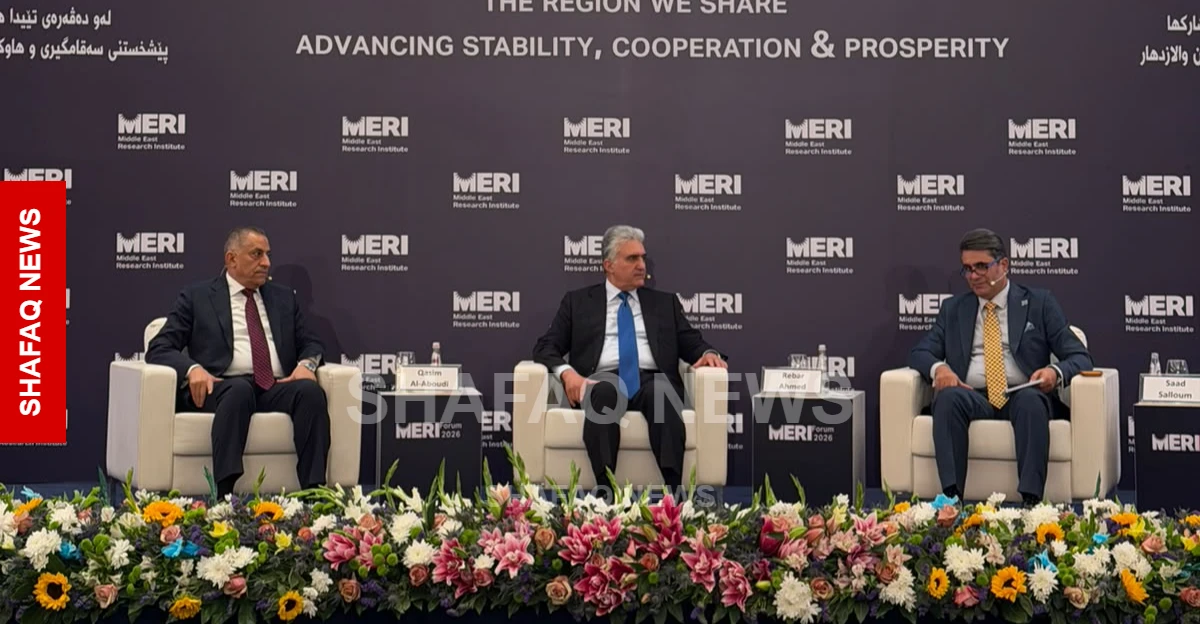
The dynamics of Iraq’s relationship with the United States have shifted significantly, particularly in the wake of Prime Minister Ali Al-Zaidi’s leadership. Recent discussions at the Middle East Research Institute’s MERI Forum in Erbil highlighted how economic strategies and partnerships have been key in altering perceptions and fostering cooperation between Baghdad and Washington.
Turning the Tide: Iraq’s Economic Partnerships
Iraq National Security Adviser Qasim Al-Aboudi noted that prior to Al-Zaidi’s tenure, Iraq found itself increasingly isolated. In his remarks, he pointed out that a critical moment arose during a diplomatic visit to the U.S. with Prime Minister Al-Zaidi when negative sentiments towards Iraq were prevalent. However, the Iraqi government acted decisively to change this narrative. By actively pursuing economic collaborations, Iraq sought to move from a posture of hostility to one of partnership, particularly in the energy sector.
This shift is particularly evident in the substantial energy contracts signed between Iraq and the U.S. The reported value of these agreements is a staggering $1 trillion, a testament to the Iraqi government’s commitment to fostering economic relationships rather than relying solely on military ties. Al-Aboudi emphasized the importance of a balanced approach that prioritizes economic interests, suggesting that Iraq can maintain good relations with various stakeholders while focusing on mutual economic benefit.
Valuing Energy Deals
In July, Iraqi Oil Minister Basim Mohammed further underscored the significance of these agreements, which have been estimated at around $200 billion for contracts signed specifically with U.S. companies during Al-Zaidi’s visit. This considerable financial engagement represents a strategic realignment with Washington, showcasing a vision for Iraq that prioritizes development and cooperation over conflict.
The U.S. has long held interests in Iraq, but the focus on economic growth could herald a new era for the country. By facilitating energy deals that not only benefit Iraq’s economy but also ensure U.S. investment, the two nations might find common ground that allows for diplomatic stability.
Remaining Vigilant Against Security Threats
Despite positive advancements in economic relations, challenges remain. Iraqi officials, as highlighted during the MERI Forum, expressed concerns about the ongoing threat posed by ISIS, particularly following the end of Coalition missions. This acknowledges an undercurrent of complexity in Iraq’s geopolitical landscape; while forging economic ties with the U.S. is vital, the specter of security threats must not be overlooked.
Strengthening economic ties may indeed offer some leverage in addressing these security issues, allowing Iraq to craft a more stable environment conducive to growth and resilience.
In conclusion, the strategic shift in Iraq’s relationship with the United States is a crucial development in the region. With an emphasis on economic partnerships over military involvement, Iraq is charting a course for a more cooperative and prosperous future. As discussions unfold and new agreements are made, it becomes essential for Iraq to sustain vigilance against security challenges while fostering an environment for economic growth.