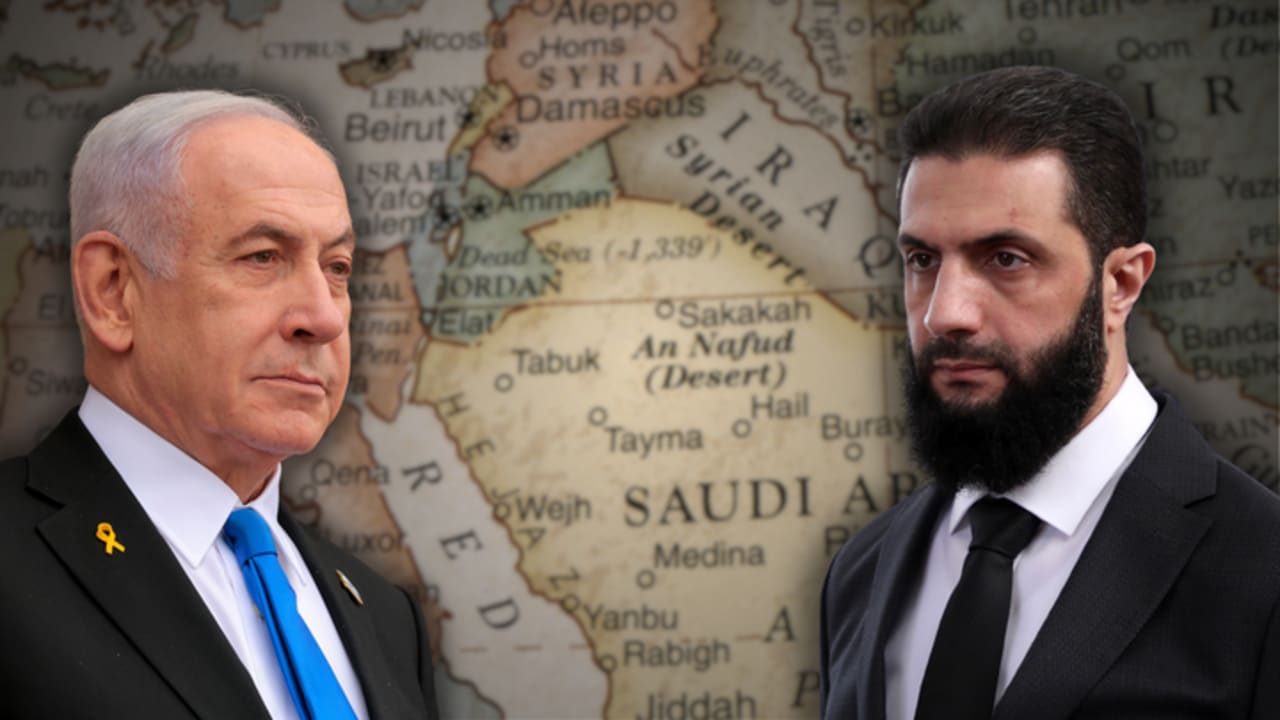
Israel’s Approach to Turkish Activities in Syria: A Call for Strategic Restraint
The Institute for National Security Studies (INSS) advises Israel to adopt a more measured approach regarding Turkish operations in Syria. This recommendation comes in light of Israel’s aggressive stance following the fall of the Assad regime in December 2024.
Recent Military Engagements
On August 17, Israel targeted a Turkish position at the Abu al-Duhur military base in Syria, sparking a notable diplomatic controversy involving the United States, Turkey, and Syria. This incident underscores the increasing tensions in the region, and the IDF’s subsequent engagement with Iranian terror affiliates near the Lebanese-Syrian border further complicates the security landscape. The IDF’s actions reflect Israel’s commitment to countering threats, particularly those related to Iranian influence and terrorist operations in the volatile region.
Despite these military engagements, INSS emphasizes that Israel’s indefinite military presence in Syria could ultimately undermine the security achievements gained post-Assad. They argue that failing to initiate dialogue with Damascus regarding future security arrangements risks reverting gains made in the past.
Nuanced Military and Diplomatic Strategies
The INSS report outlines a nuanced framework for understanding and addressing Turkish involvement in Syria. It calls for a differentiation between various types of assistance, such as technical support for Syrian state recovery and the establishment of independent Turkish military infrastructure. According to INSS analysts, the operational impact of Turkish military assets deployed in northern Syria is minimal. Therefore, the existence of such systems should not automatically trigger military responses from Israel.
Contrary to the navy’s more aggressive strategy against Turkish naval expansion, the INSS promotes a restrained approach. They express that while Turkey justifies its presence as necessary for its own security, any Turkish bases further south in Syria would pose a direct challenge to Israeli interests, potentially escalating regional tensions.
Security Priorities and Regional Dynamics
INSS contends that Israel must prioritize thwarting terrorist activities, especially those involving Hamas, and prevent any terrorist groups from using Turkish or Syrian territory as a base of operations near Israel’s borders. This emphasis on dealing with jihadist threats stands in contrast to a more lenient view on Turkish military presence in northern Syria.
The think tank warns that Turkey’s influence in Syria is a long-standing reality, unlikely to be eliminated through military means alone. Instead, Israel’s approach should focus on containing this influence effectively while engaging in diplomatic dialogues that consider regional shifts, such as Syria’s growing ties with Arab states like Saudi Arabia and the UAE.
Strategic Recommendations for Israel
The report concludes that a rigid opposition to any Syrian military rehabilitation could inadvertently drive Damascus closer to Ankara, complicating Israeli security. Authenticating a comprehensive strategic approach that includes military deterrence along with constructive dialogue and negotiation is essential for maintaining Israeli interests in the region.
Israeli officials have indicated that a thoughtful balance must be struck in Syria to avoid any perceptions of malicious intent, which could erode the legitimacy of Israel’s actions in the eyes of the international community. Ultimately, establishing clear red lines and engaging in expeditious diplomatic talks will be crucial for avoiding unintended escalations and securing Israel’s strategic interests moving forward.