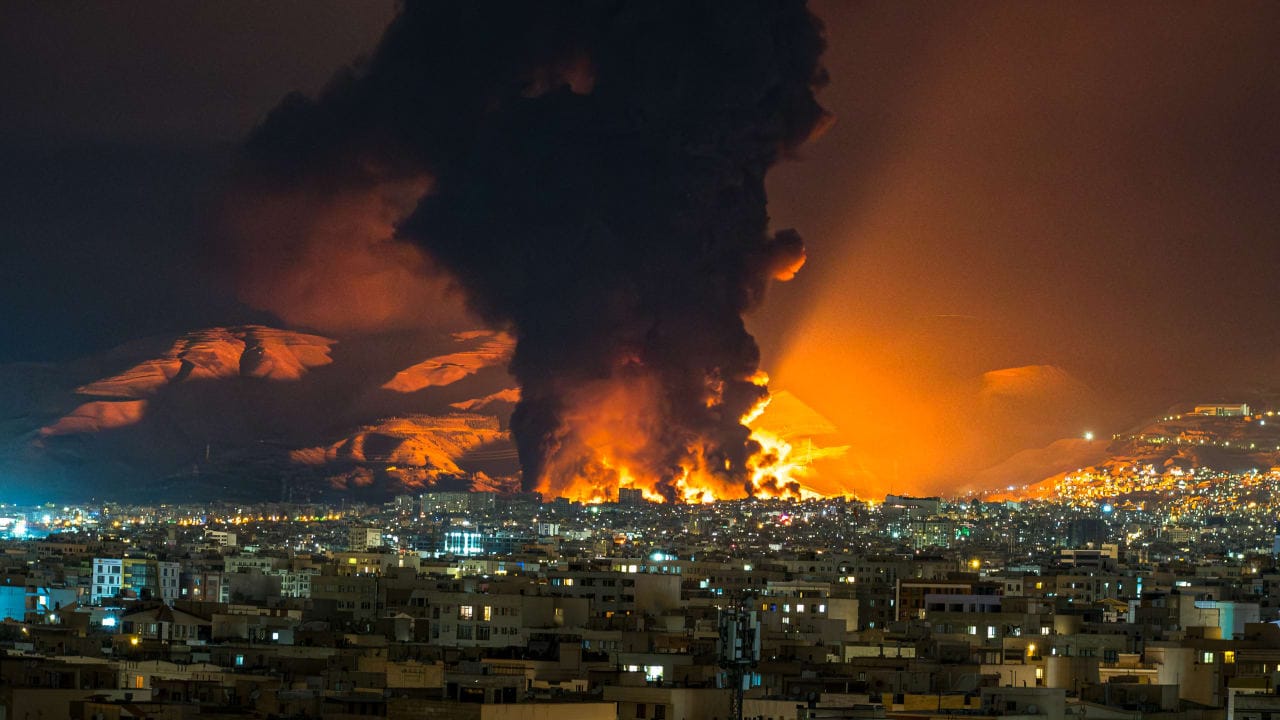
Iran is ramping up its military defenses as tensions grow with the United States and Israel. Recent satellite imagery suggests that the nation is preparing for potential escalations, particularly in light of reports indicating the possibility of renewed military actions by Israel or the US. As both nations head towards crucial elections, the implications of military engagements could significantly influence voter sentiment.
Military Preparations and Defensive Measures
According to a report from the Wall Street Journal, Iran is bolstering its military infrastructure, particularly around sensitive locations like nuclear facilities. In an effort to deter anticipated attacks, Tehran has fortified its defense mechanisms, indicating a strategic pivot towards a more aggressive posture against US and Gulf state actions. Observers note that recent political shifts and impending elections in the US and Israel might motivate both countries to consider military options against Iran, an assertion supported by various news outlets.
Furthermore, the New York Times has reported on Iran’s steadfast rejection of negotiating terms from the United States, asserting that they find the latest proposals inadequate. This lack of diplomatic progress could signal a broader strategy by Iran to consolidate its military capabilities while also preparing its populace for potential wartime scenarios. Reports indicate the mobilization of paramilitary forces and the dissemination of war narratives to the public, particularly targeting younger audiences.
Rebuilding Capabilities Despite Challenges
Past military strikes from the US and Israel have aimed to cripple Iran’s missile and drone capacities. While Israeli Prime Minister Benjamin Netanyahu previously claimed that extensive damage had curtailed Iran’s ballistic missile production, subsequent analyses suggest that Iran has been active in repairing and enhancing its military infrastructures. This resilience highlights the challenges facing US and Israeli forces; Iran’s geography and established defensive strategies complicate efforts to completely neutralize Iranian military threats.
Notably, reports from the Wall Street Journal indicate that Iran has also implemented passive defenses around its nuclear sites, including constructing dirt mounds to obstruct possible ground assaults. These proactive measures speak to Tehran’s adaptation and learning from previous confrontations, emphasizing its commitment to safeguarding its military assets in increasingly hostile conditions.
Impending Threats and Regional Implications
As tensions escalate, Iran has not only fortified its defenses along its borders but has also issued ominous warnings regarding potential strikes on regional adversaries, including critical Saudi oil facilities. The developments raise alarms about broader regional ramifications, particularly as Iranian-backed militias in Iraq have targeted key installations in Saudi Arabia.
With the recent withdrawal of US troops from Iraq, Iran finds itself in an advantageous position to exploit the security vacuum, potentially deploying its resources to extend its influence further into neighboring nations. This trajectory places enormous pressure on the US and its allies, compelling them to reassess their strategies in the Middle East as Iranian threats escalate both from a military and geopolitical standpoint.
As Iran prepares for any potential confrontation, the strategic and tactical implications for both the US and Israel will be crucial. Maintaining regional stability while countering Iranian ambitions will require careful diplomatic and military calibrations, making the stakes exceptionally high in the months ahead.