
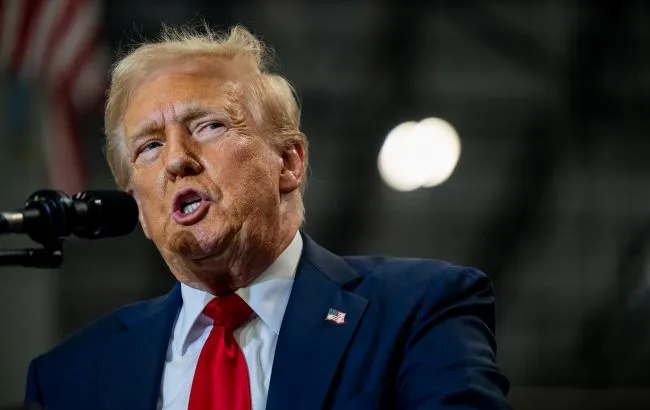
U.S. President Donald Trump has highlighted the challenges facing American diplomats in establishing communication with Iranian leaders. The dynamics have shifted sharply following the recent military actions that resulted in the removal of key figures from Iran’s leadership.
Impact of Leadership Changes in Iran
According to a source cited by the American outlet Roll Call, Trump expressed concerns that the U.S. and its allies may have overstepped by eliminating a substantial number of Iranian officials. This has led to confusion in Washington about who to engage with for future discussions, complicating diplomatic efforts significantly. Trump remarked that high-ranking positions in Iran have now become exceedingly perilous, indicating the volatile atmosphere following military strikes.
The leadership landscape in Iran has drastically changed in the aftermath of these military operations. Notably, the death of Supreme Leader Ayatollah Ali Khamenei during the U.S.-Israeli campaign left a significant void. His son, Mojtaba Khamenei, has stepped into the role, but the extent to which he can influence governance remains uncertain. While Masoud Pezeshkian continues as the president of Iran, ultimate authority over critical decisions still lies with the Supreme Leader, adding layers of complexity to diplomatic engagement.
The Consequences of Targeted Strikes
The campaign in Iran has also led to the loss of other pivotal figures, such as Ali Larijani, the secretary of the Supreme National Security Council, who was killed alongside his son in a strike earlier this year. Larijani was recognized as a more moderate voice within the Iranian political spectrum, often seen as more pragmatic compared to the radical elements of the Islamic Revolutionary Guard Corps (IRGC). His absence further complicates the landscape and diminishes the prospects for dialogue that could lead to de-escalation in tensions.
The ramifications of these changes are substantial. Without a clear hierarchy or a robust network of negotiators, the U.S. could find itself at a disadvantage in any future negotiations with Iran. The stark rise in dangers associated with Iranian leadership roles may deter many potential candidates from stepping forward, which in turn can weaken the Iranian government’s resolve in international matters.
The Future of U.S.-Iran Relations
As the situation evolves, the United States must navigate the intricate and precarious geopolitical landscape that has emerged. Experts suggest that the ongoing military strategy may have unintended consequences, potentially exacerbating the conflicts rather than fostering dialogue. With essential figures eliminated from the equation, identifying reliable partners for negotiation becomes exceedingly challenging, raising concerns about long-term stability in the region.
For the future of U.S.-Iran relations, it is crucial for Washington to reassess its approach. Diplomatic engagement should focus on rebuilding channels of communication, even in the face of high-risk environments. By understanding the shifts in Iranian power dynamics, the U.S. can better position itself to respond appropriately, promoting avenues for peace while ensuring the safety of its international partners.