
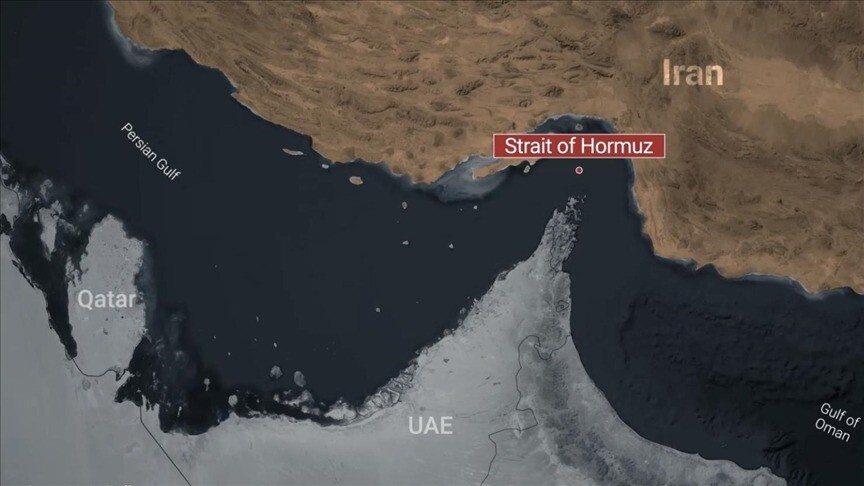
Iranian attacks on vessels navigating the Strait of Hormuz have escalated, igniting fears that renewed hostilities could hinder the recovery of oil exports in the Persian Gulf. Recent reports highlight a potential slowdown in cargo movement through this crucial maritime route, a concern that arises just as oil flows were nearing prewar levels earlier this month.
Impact on Shipping Activity
Industry sources indicate that while there are early signs of reduced shipping activity, particularly concerning waiting times and a cautious approach by ship operators, concrete data reflecting a downturn in oil-loading at major export terminals remains inconclusive. Some shipowners report that vessel operations have not faced significant disruptions, suggesting that while tensions are high, the overall impact on oil flow has yet to be truly felt.
The recent uptick in hostilities parallels a broader increase in geopolitical tensions in the Middle East, including assaults on Saudi Arabia by Yemen’s Houthi forces. This broader insecurity has contributed to crude oil prices soaring above $106 a barrel in London, although they did see a slight decline shortly afterward.
Increased Attacks and Responses
In an alarming turn of events, on October 11, four tankers reported being struck by unidentified projectiles while transiting the Strait of Hormuz. This marked a significant increase in incidents, roughly doubling the average number of reported attacks from the previous week. Such aggressive actions are likely fueling concerns about the safety and reliability of navigating this critical waterway.
In response to the rising threats, many ship operators are exercising increased caution. Tanker-tracking data collected by Bloomberg indicates that over a dozen supertankers, as well as several Suezmax vessels, have altered their courses while nearing Fujairah, a pivotal location close to the strait’s entrance.
The Role of Ship-to-Ship Transfers
Despite the rising tensions, ship-to-ship transfers remain a crucial method for sustaining oil exports in the region. This practice allows shuttle tankers to safely carry oil through the high-risk Strait of Hormuz before transferring their loads to other vessels for delivery to global markets. While there are signs of reduced activity and longer waiting periods for these operations, some shipowners maintain that overall traffic levels have not drastically declined.
As the security situation evolves, it will be essential to monitor any further developments in the Strait of Hormuz. The interplay between geopolitical tensions, shipping activities, and oil prices will continue to shape the market’s outlook in the coming weeks and months. With such complexities at play, stakeholders must remain vigilant to mitigate potential disruptions to oil exports and ensure the stability of a vital segment of the global economy.