
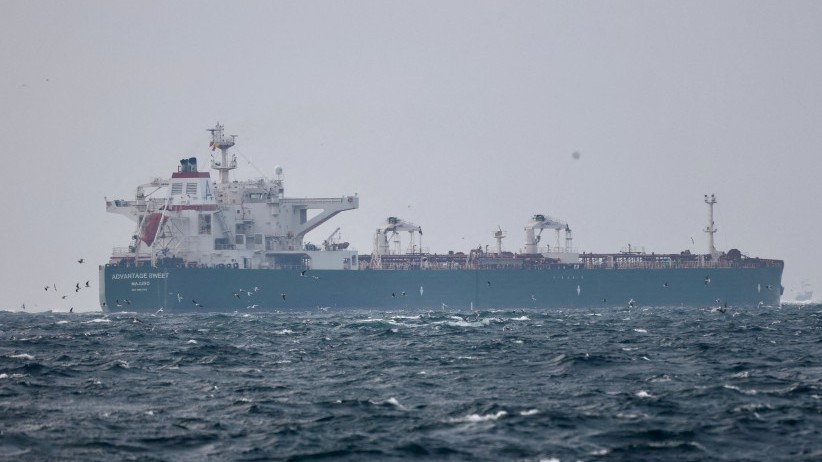
Saudi Arabia is witnessing a significant decline in crude exports, a trend that has been exacerbated by the ongoing conflicts in the region. While the fallout from the U.S.-Iran war is a key factor, the situation has evolved into a more complex issue involving both market dynamics and buyer behavior. With several key Asian markets reducing their demand, Saudi Arabia’s crude shipments are dropping to alarming levels.
Current Export Levels and Buyer Response
In March, Saudi crude exports plummeted to 4.4 million barrels per day (b/d), a stark contrast to 7.3 million b/d in February. Despite the operational capabilities of the East-West pipeline, which connects the Eastern Province with the Red Sea coast and can handle up to 7 million b/d, sales are stunted due to weak buyer interest, higher prices, and the limitations of domestic refinery capacities. Notably, May allocations are already anticipated to hover around 3.9 million b/d, slightly lower than April’s figures.
China, which remains Saudi Aramco’s largest customer, has cut its crude intake significantly with June imports expected to drop to approximately 600,000 b/d, about 50% less than in April. This decline in Chinese demand is symptomatic of more extensive trends affecting the entire Asian market. The ongoing economic strain has led to reduced refining activities and lower appetite for foreign crude, particularly from Saudi Arabia.
Broader Asian Market Trends
The downturn isn’t limited to China. Other major Asian buyers such as Japan and South Korea are also pulling back. Japan’s imports from Saudi Arabia fell dramatically, with just two shipments in May, failing to meet the demand levels seen just a few months prior. Similarly, South Korea is projected to reduce its intake by around 35% in May, while India has echoed this sentiment with a projected 30% decline.
This trend signals not just a localized issue in buyer countries but a broader decline in seaborne crude imports across Asia. China’s overall imports have fallen from 11.5 million b/d in February to just 6.7 million b/d in May, with the shipping of Saudi crude particularly affected. As light crude from Saudi Arabia becomes one of the priciest options on the market, buyers are increasingly searching for less expensive alternatives.
Impact of Pricing Strategies
Saudi Arabia’s pricing mechanisms also play a crucial role in this evolving narrative. Official Selling Prices (OSP) are determined based on differentials to the Dubai benchmark, which in recent months has reflected a backwardation scenario. In simpler terms, this means that immediate supplies are more sought-after, driving local prices higher. In April, the OSP differential rose sharply, contributing to the perception of Saudi crude as an expensive option amid dwindling buyer demand.
The rising expenses are creating significant challenges for refiners, who are now grappling with lower margins and rising costs. Reports indicate that Chinese refining operations are losing money due to unfavorable prices, leading to a more cautious purchasing strategy. Saudi Arabia’s pricing structure, while effective in maximizing revenue during booming market conditions, is proving counterproductive in this context.
Conclusion: Future Outlook for Saudi Exports
As Saudi Arabia navigates this challenging landscape, the future of its crude exports hangs in the balance. Although the country has the infrastructure to export crude effectively, the dynamics of buyer demand and pricing pressure are pivotal. With key markets in Asia scaling back their orders due to economic challenges and the search for cheaper alternatives, the outlook for Saudi exports may continue to decline unless adjustments are made.
In essence, Saudi Arabia finds itself at a crossroads: the kingdom has the means to transport oil around the globe, but increasingly, buyers are unwilling to meet its price points. The combination of reduced refinery operations, economic pressures, and a search for lower-cost crude options could mean a prolonged downturn in Saudi crude exports.