
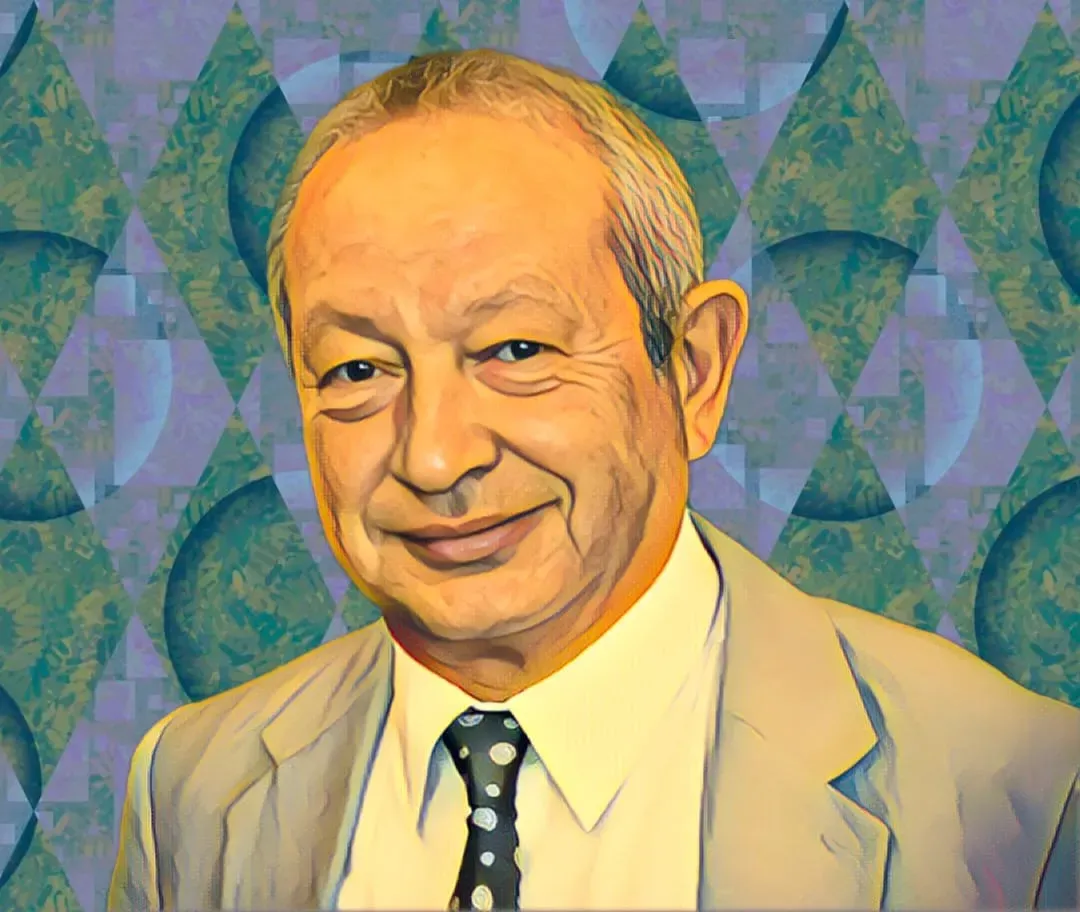
Egyptian billionaire Naguib Sawiris recently faced criticism for his delayed response to a tragic incident at Riyadh’s King Khalid International Airport. Following an attack that resulted in significant casualties, a Saudi writer publicly accused him of neglecting to express condolences for the victims. Sawiris’ reply not only addressed the issue but also emphasized the necessity for Arab nations to unite against perceived threats from Iran.
Delayed Condolences Spark Controversy
The incident gained attention on X, with Saudi writer Wafaa Al-Rasheed tagging Sawiris in a post that criticized his silence regarding the attack. She expressed her frustration, stating, “He didn’t utter a word about our dead in Riyadh… as if our blood isn’t even worth a word of condolence!” This provoked a response from Sawiris, who typically engages in regional political discussions through social media. In a heartfelt reply, he apologized for his late response, expressing his condolences for the victims, which included an Egyptian flight attendant, and reaffirming Egypt’s support for the Saudi people.
Additionally, Sawiris condemned the aggressors and called for solidarity among Arab countries in confronting what he described as the “Iranian enemy.” His remarks underscored the growing tensions in the region and highlighted a call for unity against external threats.
The Attack’s Aftermath
On October 10, a catastrophic assault at King Khalid International Airport resulted in the deaths of 12 individuals and wounded over 300 others. Among the deceased were four Saudi nationals, along with individuals from various countries, including Bangladesh, Egypt, the USA, Jordan, Syria, Sudan, and the Palestinian territories. Reports indicate that a missile targeted the airport’s domestic terminals, marking this incident as the deadliest attack in any Gulf Arab nation since the onset of escalating hostilities involving Iran.
Saudi officials initially refrained from assigning direct blame for the attack. However, Al Jazeera reported that a representative from the Iran-backed Houthi movement in Yemen claimed responsibility, suggesting a significant escalation in regional tensions. The spokesperson for the Saudi-led coalition fighting in Yemen labeled the strike a “full-fledged war crime,” pledging a decisive response. In light of these developments, the airport’s operations have been suspended, affecting numerous airlines and travelers.
Criticism of Iran and Sawiris’ Background
Naguib Sawiris, age 72, has established a reputation as a vocal critic of the Iranian regime. Earlier this year, he posited that the ongoing conflict has inadvertently bolstered Iran’s government rather than weakening it, asserting that the nation was on the brink of collapse prior to the escalation of hostilities. His perspective on Iran reflects broader geopolitical concerns shared by many in the Arab world.
Sawiris is not only known for his political commentary but also for his substantial wealth amassed through his telecommunications enterprise, Orascom Telecom. This venture transformed into one of the largest mobile service providers across the Middle East, Africa, and South Asia before its merger with Russia’s VimpelCom in 2011. Today, Sawiris has diversified his investments into gold mining, asset management, and real estate. As one of Africa’s wealthiest individuals, with a net worth of approximately $5.6 billion according to Forbes, he continues to play a significant role in regional economic discussions.
In summary, the recent events surrounding Naguib Sawiris have reignited conversations about unity in the Arab region amid external threats. His delayed response, followed by a clarion call for solidarity against adversaries, underscores the gravity of current geopolitical concerns and the critical need for strategic collaboration among Arab states.