
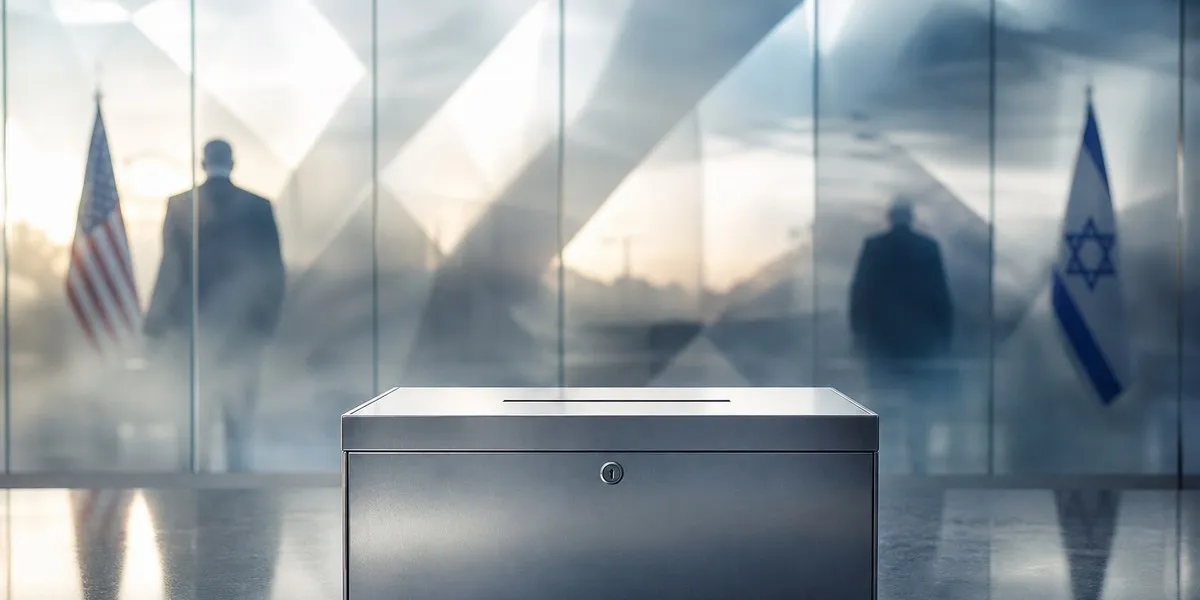
U.S. President Donald Trump and Israeli Prime Minister Benjamin Netanyahu engaged in discussions regarding a potential new operation against Iran, coinciding with election periods in both nations. Reports from Anadolu Agency, referring to Axios, highlight the urgency and strategic considerations involved in these talks.
Denial from the White House
Axios notes that the conversations took place prior to Trump’s public declaration ruling out any military action against Iran before the upcoming midterm elections in November. Sources indicate that Netanyahu presented intelligence revealing Iran’s aspirations to reconsider its nuclear program, particularly through the suspected revival of the Pickaxe Mountain facility for uranium enrichment. However, a White House representative denied that such military engagements were actively being planned and reiterated that Trump had dismissed any offensive actions before the elections. Yet, some officials maintain that Trump’s stance lacks definitive commitments; he reportedly requested Netanyahu to make necessary preparations without assuring him of launching any operations.
Military Preparedness Amid Election Tensions
Despite the official narrative, sources within Axios claim that both the U.S. and Israeli militaries are maintaining a high state of readiness, anticipating a possible shift in Trump’s stance. U.S. Secretary of Defense Pete Hegseth and leaders within U.S. Central Command are reportedly the most vocal proponents of renewed military strikes. Meanwhile, many advisers advocate for a strategy focused on continued sanctions and economic pressure rather than military engagement. The situation is complex and increasingly fraught with geopolitical implications.
Impact on Israeli Elections
Eyal Zamir, the Chief of Staff of the Israel Defense Forces, reportedly informed U.S. Joint Chiefs of Staff Chairman Dan Caine about the ramifications that could arise from initiating hostilities within three weeks. Specifically, he cautioned that such actions might necessitate postponing the approaching elections scheduled for October 27 in Israel due to anticipated Iranian missile retaliation. Meanwhile, Qatari intermediaries are poised to receive Tehran’s response to a recent U.S. counterproposal, adding yet another layer of complexity to an already tense situation.
As both nations navigate their political landscapes, the interplay of military readiness against Iran and the timing of elections underscores the urgency of the situation. Observers remain vigilant as developments unfold, weighing the implications of military action against the backdrop of domestic and international political pressures.