
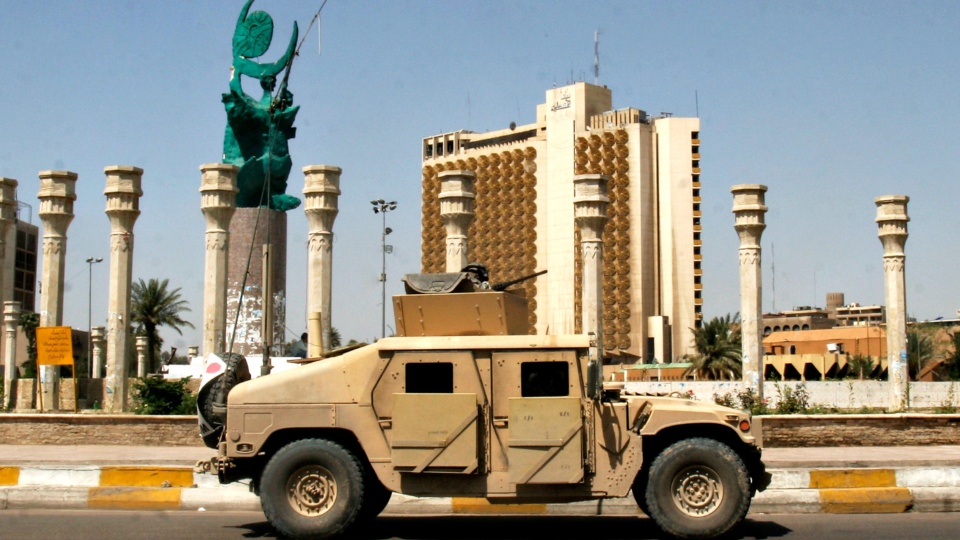
The Withdrawal of U.S. Troops from Iraq: A New Chapter?
The recent exit of the last U.S. military personnel from Iraq on September 30 marks a significant shift in the nation’s narrative after two decades of conflict and unrest. This withdrawal is intended to be final, transitioning the country toward a new era of sovereignty. However, despite the military’s departure, the U.S. continues to wield considerable influence, particularly through its control of Iraq’s oil revenue.
A New Face of Leadership
In Erbil, where the last American forces were stationed, Iraqi Prime Minister Ali al-Zaidi led a handover ceremony, emphasizing the importance of national sovereignty. However, Iraq’s financial autonomy remains in question. While the troops are gone, the U.S. retains control over Iraq’s oil sales, which funnel through banks in New York. These funds must undergo several processes before reaching their final recipients in Iraq. At any stage, the U.S. Treasury can interfere, often citing “administrative reasons” for delays. Currently, about $2 billion of Iraq’s oil revenue is under American administration.
Strained Political Dynamics
While Iraq’s foreign reserves have improved, a significant portion continues to be held in the U.S., enabling Washington to shape Iraqi policy. A prime illustration of this is the selection of Prime Minister al-Zaidi. Former Prime Minister Nouri al-Maliki, who originally had strong parliamentary support, faced opposition from the U.S. due to his growing ties with Iran. When President Trump warned that al-Maliki’s ascension would jeopardize Iraq’s future, the U.S. withheld funds, resulting in his rejection for re-election. Al-Zaidi, a businessman with no prior political experience and perceived as more favorable to U.S. interests, was installed instead.
Economic Ties and Complications
Complications extend beyond U.S. interference; Iraq’s relations with Iran introduce a new layer of tension. With trade between the two countries reaching $10 billion annually, religious pilgrimages draw significant numbers of Iraqis to Iran. Initially, the Iraqi government adhered to U.S. sanctions against Iran, leading to widespread unrest among its citizens. Following public pressure, it sought exemptions from the U.S. Treasury, which allowed airlines limited access to operate flights between Iran and the Shiite holy site of Najaf.
A Call for Accountability
Muqtada al-Sadr, a prominent cleric and political figure, has called attention to Iraq’s newfound autonomy while urging citizens to seek reparations from the U.S. for the devastation wrought over the past 23 years. His stance echoes the broader sentiment in Iraq, fueling discussions around sovereignty and long-term implications of American involvement.
Conclusion: A Complex Legacy
As the U.S. military exits, Iraq faces a complicated legacy of independence bound tightly to unresolved issues of financial control and foreign influence. The effectiveness of its newfound sovereignty will depend on balancing these forces while navigating relationships with both the U.S. and its neighbor, Iran. The coming years will reveal how Iraq manages this intricate dance and whether it can solidify its position on the world stage without external strings attached.