
In ancient Egypt, burial practices reveal intriguing patterns surrounding the funerals of First Dynasty kings. Over 500 years prior to the construction of the Great Pyramid of Giza, royal tombs were accompanied by burial complexes filled with the remains of courtiers and skilled artisans. The simultaneous excavation of numerous graves suggests a potentially unsettling scenario of widespread deaths occurring around the same time.
Uncovering Mysteries: Sacrifice or Natural Causes?
A century ago, researchers theorized that the individuals interred near the kings may have been sacrificed to accompany their rulers into the afterlife. However, initial examinations revealed no definitive signs of violence on the skeletons, leaving many questions unanswered. Recently, a meticulous reanalysis of skulls from the site, utilizing advanced forensic technology, has generated compelling evidence indicating that at least some individuals were victims of intentional violence.
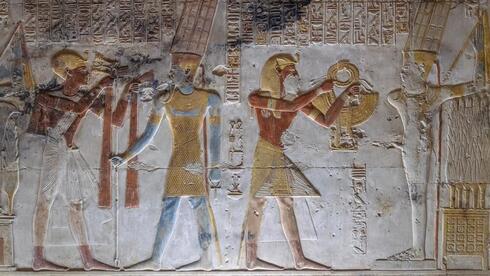
The research, published in Frontiers in Environmental Archaeology, suggests that the abundance of graves surrounding the royal tombs in Abydos—a sacred city in Upper Egypt, situated about seven miles from the Nile—may indeed signify ritualistic sacrifices practiced after the death of kings. The graves were first excavated by the British archaeologist Professor Flinders Petrie in the 1920s, who doubted the likelihood of so many individuals dying from natural causes simultaneously.
Violent Endings: Evidence from the Past
Dr. Roselyn Campbell, a bioarchaeologist at Purdue University, emphasized the importance of these retainers, noting that they often receive little attention in historical narratives. The graves are substantial in number, with many encircling a single royal tomb, leading to suspicions regarding the possibility of retainer sacrifice—a ritual where loyal servants are killed upon their ruler’s death, believed to serve them in the afterlife.
Campbell’s recent study revisited 46 skulls from Petrie’s original findings and revealed alarming evidence of trauma. Specifically, 39% of the examined skulls displayed significant injuries, with 18 showcasing severe damage that had been misinterpreted as naturally occurring fractures at the time of excavation. Using contemporary forensic techniques, researchers determined these injuries were likely inflicted around the time of death.
While it remains unclear how these deaths occurred, the nature of the cranial injuries—including linear fractures and sharp-force trauma—raises considerable speculation. Beliefs about the ritual nature of these sacrifices persist, but the specific context of their deaths and the methods employed remain unidentified. Interestingly, the types of fractures found do not align with typical weapon usage prevalent in depictions of the era, suggesting a more complex scenario involving these individuals.
Continuing the Quest for Knowledge
The study also raises questions concerning the other individuals buried alongside royalty. Some may have died of natural causes, while others may have suffered fatal injuries that left no traces on their bones. Campbell expressed her willingness to further investigate this captivating chapter of history, underscoring the significance of revisiting past archaeological findings with modern methodologies.
In conclusion, ongoing research into the First Dynasty burial practices illuminates the complex interplay between life, death, and societal roles in ancient Egypt. By analyzing historical remains with contemporary techniques, archaeologists can provide deeper insights into the rituals and cultural beliefs of this remarkable civilization.