
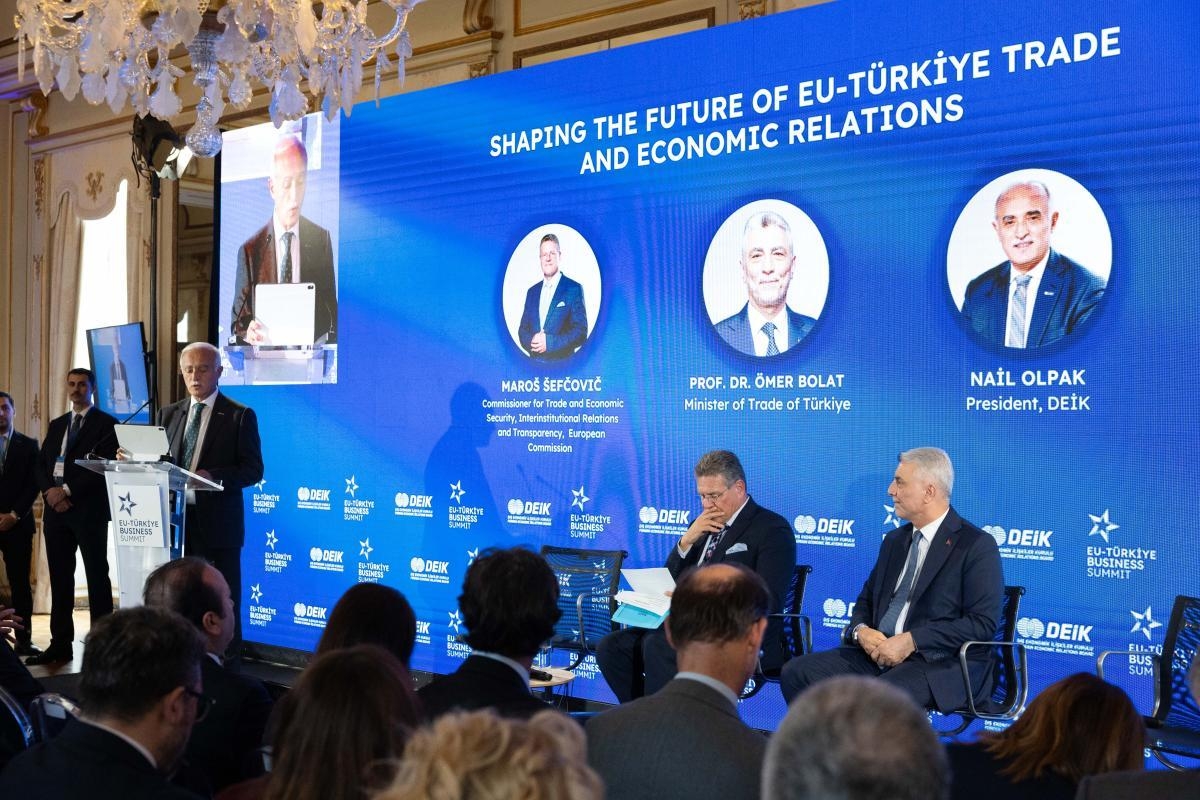
Belgium’s Foreign Minister, Maxime Pévot, has recently urged the European Union to strengthen its economic, trade, and defense partnerships with Turkey. This appeal comes amid concerns that Turkey may be excluded from the EU’s proposed regulations regarding industrial supply chains and its extensive defense procurement initiatives.
Building Stronger Economic Ties
During a Turkey-EU business forum held in Brussels, Pévot emphasized the growing desire among European manufacturers for dependable partners closer to home. As businesses aim to lessen their dependence on Chinese imports, there is a clear opportunity for Turkey to fill that void. Pévot advocated for a collaborative approach where the economic relationship transcends traditional trade—suggesting a focus on joint development, production, and investment.
“The values of geographical proximity should not be underestimated, especially in sectors where Europe is keen to minimize strategic dependencies,” Pévot remarked. His statements highlight the urgency for the EU to consider Turkey not only as a trading partner but also as a crucial collaborator in various markets.
Strategic Reforms for Enhanced Cooperation
In a related development, EU Trade Commissioner Maroš Šefčovič, after discussions with Turkish Trade Minister Ömer Bolat, announced notable agreements that point toward a more integrated trade relationship. These agreements include reforms to Turkey’s import control systems designed to facilitate smoother access for EU exporters. Another significant move is a mutual recognition pact aimed at trusted traders, which would streamline customs procedures and enhance trade flow between the two entities.
These changes indicate a mutual understanding of the need for closer economic ties and improved regulatory frameworks. By simplifying trade processes, both sides can foster an environment conducive to increased investment and collaboration, benefitting various sectors in both Turkey and the EU.
Turkey’s Strategic Position in the EU’s Future
As the EU focuses on building resilient supply chains and enhancing its defense capabilities, Turkey’s strategic location and existing industrial base make it an invaluable asset. Strengthening ties with Turkey is essential for the EU to secure reliable partners that can help mitigate vulnerabilities in critical sectors. As Europe navigates a rapidly evolving global landscape, having Turkey on board could enhance its competitive edge.
In conclusion, the call for deeper collaboration between the EU and Turkey points to a pivotal moment in reshaping transnational relationships. With a focus on joint ventures, regulatory reforms, and strategic partnerships, both entities stand to benefit significantly. The evolving dynamics underscore the potential of Turkey not just as a trading counterpart, but as a key player in Europe’s economic future.