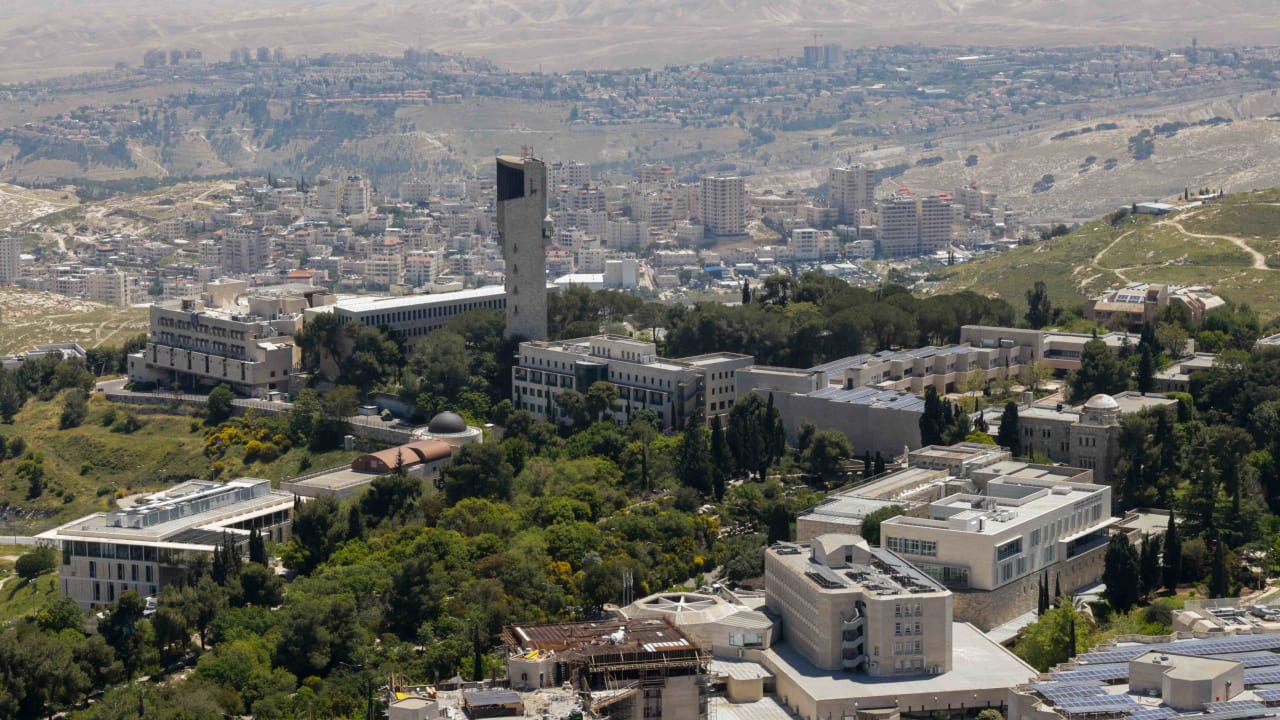
As Israel embarks on a new academic year, universities find themselves operating in a landscape profoundly affected by the events of October 7 and the ongoing conflict with Hamas. The necessity for institutions of higher learning has expanded beyond traditional roles of education and research. They are now called upon to facilitate societal recovery, cultivate essential professionals, and ensure the country’s competitive edge in science, medicine, and technology.
The Role of Universities in National Recovery
In this context, university leadership must look beyond immediate challenges. Their focus should encompass both present obligations and future foundations that will fortify Israel in the coming decades. Two critical questions emerge for higher education: What actions must universities undertake to aid Israel’s reconstruction as a stable society? And how can the next government bolster and protect the academic sector, crucial for the nation’s sustained prosperity?
Regarding the first question, the answer lies in the essential functions of universities: fostering knowledge, developing human resources, and building necessary infrastructure. The surging demand for healthcare and rehabilitation professionals, notably in psychology, social work, and medicine, reveals a pressing societal need. Israeli universities must therefore extend their focus beyond technological advancements to address the deeper wounds inflicted by conflict, trauma, and societal upheaval.
Strategic Goals for Academic Institutions
At institutes like the Hebrew University of Jerusalem, strategic initiatives have been devised to meet these urgent responsibilities. Plans include doubling the Faculty of Medicine, launching a center dedicated to longevity, and enhancing trauma research. These objectives go beyond academic aspirations; they are intricately linked to the vital physical and mental health needs of the nation.
Parallel to this, Israel’s future hinges on its ability to lead in science and technology. The establishment of an AI research center and an innovative Faculty of Engineering represents a forward-thinking approach. A resilient higher education system must not only respond to existing crises but also lay the groundwork for the challenges that future generations will face.
Global Context and Importance of Investment
The challenge is not exclusive to Israel; it resonates worldwide. Governments globally are keen to reinforce their universities as pivotal forces for national resilience, technological supremacy, medical advancements, and economic growth. Nations that recognize this imperative are investing significantly in research and infrastructure. Israel must not take its past successes for granted, assuming they are sufficient for future security and competitiveness.
Yet, the academic community faces increasing attempts to isolate and boycott Israeli universities. In this challenging atmosphere, faculty are striving to maintain the integrity, legitimacy, and functionality of the nation’s higher education system through excellence in research, international collaborations, and intellectual partnerships.
While Israel’s scientific and intellectual achievements are remarkable, they must not rest solely on previous successes. The next government must prioritize higher education as a strategic element of national security and prosperity. A robust, well-funded, and free academic environment is essential for ensuring Israel’s future as a thriving, democratic society.
In summary, Israeli academia is currently achieving significant milestones despite operating under constraints. Yet, this efficiency cannot quench the need for sustainable investment and support. To ensure a prosperous future, both universities and the government must align in prioritizing higher education—not merely as a luxury, but as a fundamental engine of societal growth and progress.