
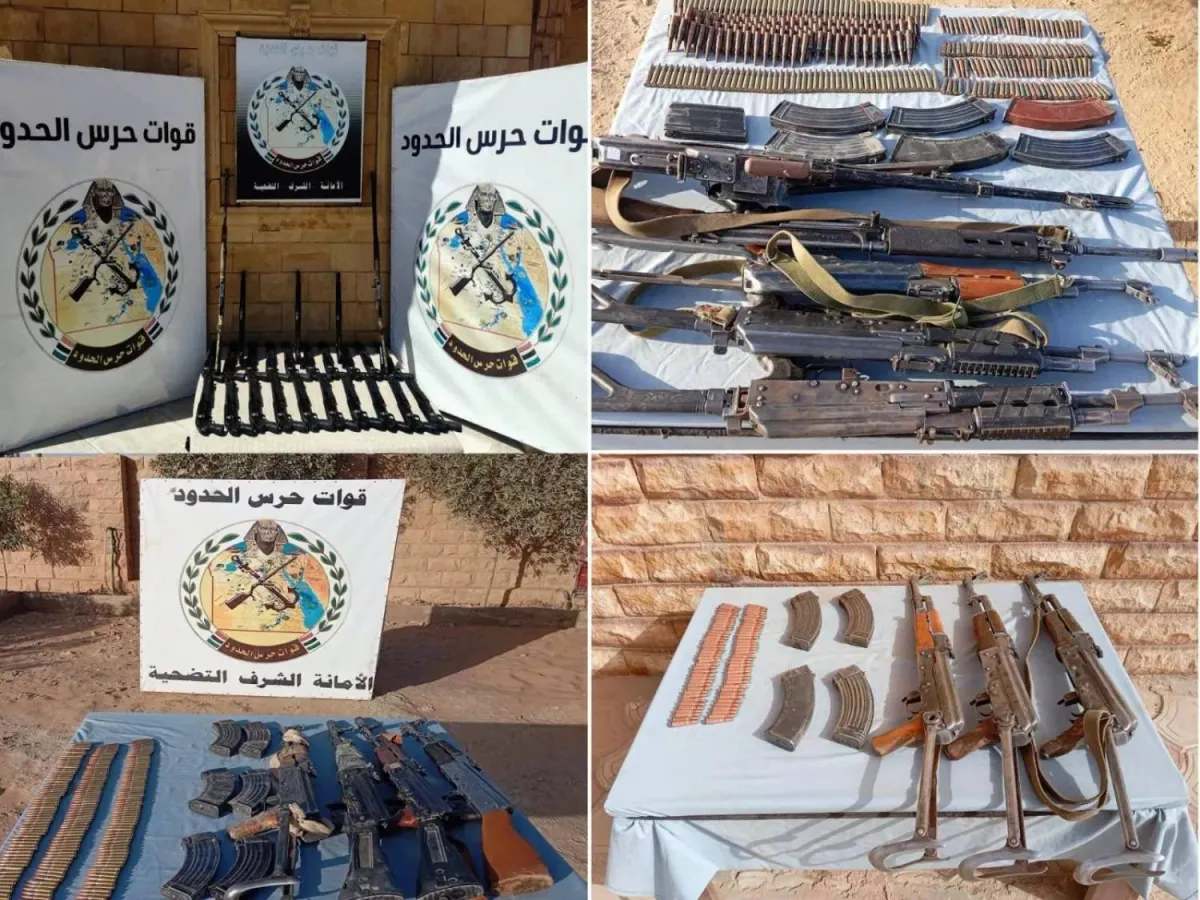
The Yemeni Armed Forces are currently engaged in a significant military offensive known as Operation Dawn of Yemen, which has entered its tenth day. Intense fighting persists on various fronts, particularly in Taiz Governorate, as well as in Marib and Al-Jawf. The government forces aim to diminish the combat capabilities of the Iran-backed Houthis and disrupt their supply lines through rigorous air and ground strikes.
Intensifying Military Operations
Over the last 24 hours alone, the Yemeni Armed Forces conducted around 2,200 targeted strikes using a mix of fighter jets, drones, and ground artillery. Preliminary battlefield analyses estimate that approximately 1,200 Houthi fighters have been neutralized, with over 440 military vehicles and additional equipment severely damaged or destroyed. The operations have specifically targeted strategic assets such as command centers, weapon depots, and troop assembly areas, according to Armed Forces spokesperson Col. Majed Al-Nuzaili. The focus remains on crippling the enemy’s ability to regroup and launch counterattacks.
As the offensive broadens, government forces report gains, particularly in Taiz where airstrikes are concentrated on Houthi concentrations and reinforcement units. This action aims to disrupt Houthi operations and weaken their positions. Reports from military sources indicate that the Houthis are suffering substantial losses, including the deaths and injuries of numerous fighters—including key field commanders. It is estimated that around 15,000 Houthi fighters have been affected over the last ten days, although the group has not released comprehensive casualty figures.
Ongoing Battles Across Multiple Fronts
Recent skirmishes in Taiz are reported to be escalating, especially on the southern, eastern, and western fronts. Clashes have erupted in various locations, including Al-Sarari and Dhi al-Birah, as the Houthis attempt to penetrate government positions. Successful counteroffensives by government forces have forced the Houthis to retreat from critical areas. On the western front, intense battles continue near Jabal Han and Al-Dhabab, essential routes into the city. The situation remains fluid, with ongoing clashes in the Al-Shaqab and Al-Aqrud regions, leading to strategic adjustments on both sides.
In response to the rapidly shifting frontline terrain, government engineering units are actively clearing mines and explosives in recaptured territories to facilitate civilian return and secure essential routes. This preparation is vital to promoting safety for those displaced by the ongoing violence.
Political Commitment and Humanitarian Concerns
On the political front, Yemeni Presidential Leadership Council Chairman Rashad al-Alimi reiterated that Operation Dawn of Yemen will persist until the objectives of restoring state control and military authority under legitimate institutions are realized. Al-Alimi emphasized that the Houthi threat transcends geographic borders, affecting the security of both northern and southern Yemen.
As military operations progress, humanitarian concerns are amplifying. The International Committee of the Red Cross has raised alarms about the challenges facing healthcare facilities, which are overwhelmed by the rising influx of wounded individuals. Reports indicate that some hospitals have admitted over 700 injured patients in just one week, creating severe strain on medical capabilities.
Additionally, displacement is posing grave challenges, with reports indicating over 217,000 individuals displaced as of October 12. This crisis is exacerbated in Taiz, where a significant percentage of displaced persons reside. The United Nations has warned of potential food shortages, emphasizing that dwindling wheat and flour supplies could run out in less than three weeks. Fuel shortages further threaten water supply, heightening the risk of food insecurity and deteriorating health for the approximately 1.5 million residents of Taiz, who have endured years of limitations due to ongoing conflicts and blockades.