
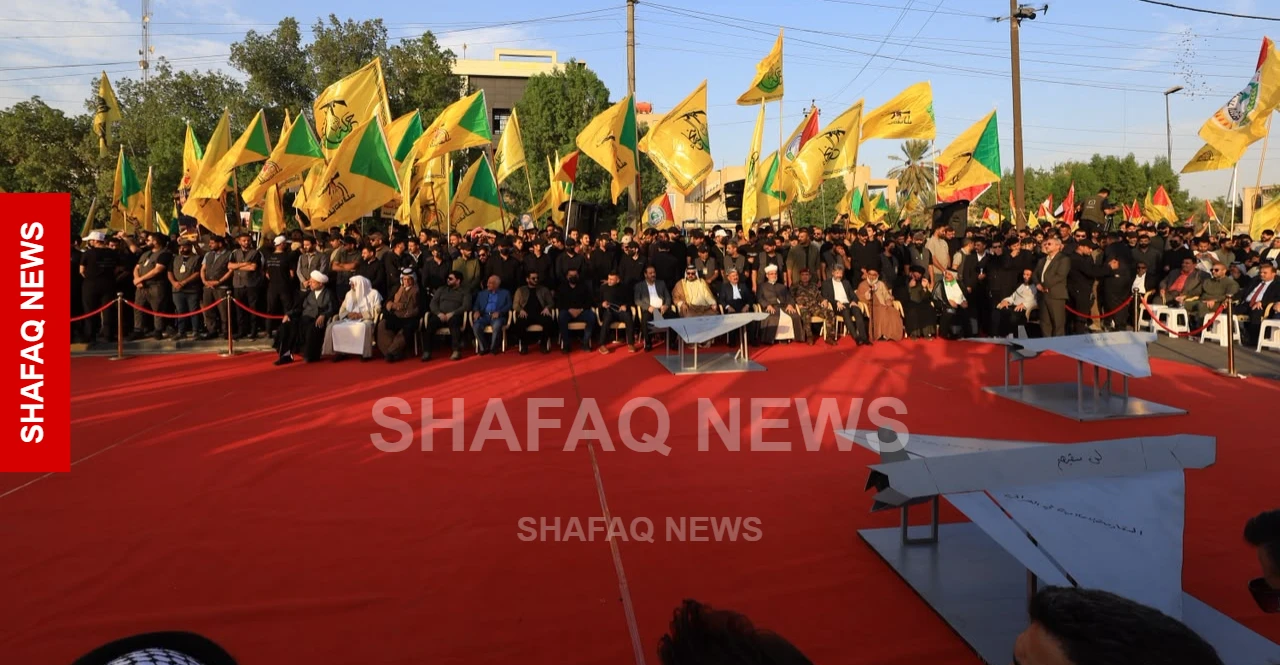
On October 14, 2026, a significant statement was made by Abu Mujahid al-Assaf, a security official with the Iran-backed Iraqi militia Kataib Hezbollah. He called for the establishment of an annual day specifically dedicated to burning U.S. flags. This provocative suggestion raises important questions about Iraq’s government stance on issues relating to Israel, as well as U.S. actions that he claims violate Iraqi sovereignty.
Concerns Over U.S. Presence in Iraq
During his remarks, al-Assaf expressed deep concerns regarding the perceived infringements of Iraq’s sovereignty by U.S. forces. He pointed out that numerous incidents have occurred since Iraq celebrated its Sovereignty Day, which commemorates its independence and autonomy. Al-Assaf challenged Prime Minister Ali al-Zaidi regarding whether the government had taken official steps to protest these alleged transgressions before the U.S. administration. His assertions highlight a growing impatience among certain factions in Iraq about the U.S. military presence in the region and its implications for Iraqi governance.
Criticism of Diplomatic Relations
Al-Assaf also took a sharp aim at diplomatic relations between Iraq and the U.S., particularly in light of the Israeli-Palestinian conflict. He explicitly questioned whether Prime Minister al-Zaidi had received any directives from former U.S. President Donald Trump concerning a so-called “peace” agreement with Israel, known colloquially as the “Zionist entity.” This inquiry not only underscores al-Assaf’s frustrations but also reflects the increasingly complex geopolitical landscape in which Iraq finds itself. The rising discontent serves as a reminder that issues surrounding Iraq’s foreign policy are deeply intertwined with its domestic politics.
The Call to Action for Iraqi Youth
In a striking call to action, al-Assaf urged young people in Iraq to select one day each year to burn and trample U.S. flags. This provocative idea was linked to an earlier incident during the Sovereignty Day celebrations, where members of the Popular Mobilization Forces (PMF) were reported to have trampled an American flag. Such acts serve to ignite nationalist sentiments and could potentially escalate tensions between different political factions within Iraq, as well as between Iraq and the U.S.
Conclusion
The comments made by al-Assaf present a snapshot of the existing tensions between Iraq and U.S. influence in the region. With ongoing debates about sovereignty and national identity, the call for a dedicated day to burn U.S. flags signifies a significant shift in public sentiment among certain factions in Iraq. As the country continues to navigate a complex geopolitical terrain, the question of its foreign relationships and the implications for domestic policy remain critical issues. The reactions from both the Iraqi government and its citizens will shape the future of Iraq’s national identity and international alliances.