
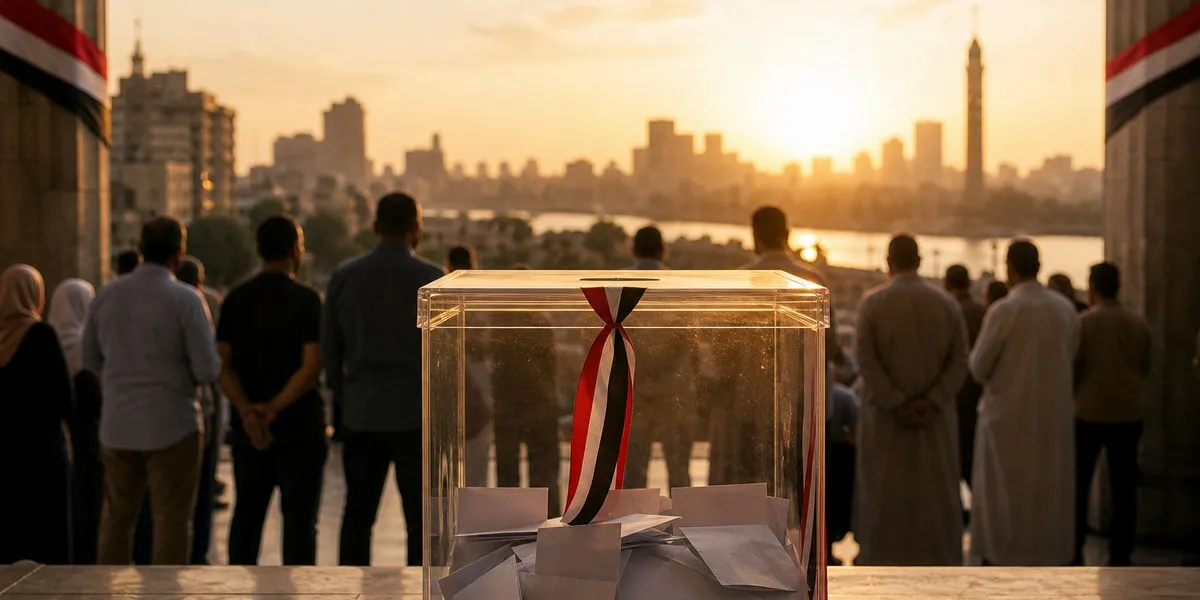
Egyptian President Abdel Fattah el-Sisi recently addressed rumors about potential changes to the nation’s Constitution. On October 14, during a televised meeting with government officials and military leaders, he clarified that there are no current plans for constitutional amendments. El-Sisi emphasized that any future decisions regarding such initiatives would ultimately be in the hands of the Egyptian people.
Support for El-Sisi’s Extended Tenure
El-Sisi’s remarks come amidst increasing calls from his supporters for him to continue his presidency beyond the end of his current term in 2030. Many of these appeals are emerging from politicians who are aligned with him politically and from various government-affiliated social media platforms. Since his ascension to power in 2014, there has been speculation about the future of his administration, especially as he approaches the end of the two-term limit established by the Constitution.
If he remains in office through the end of his term in 2030, El-Sisi will have governed Egypt for a total of 16 years. This period has raised questions about the political landscape in the country, particularly as his recent comments mark the first public acknowledgment regarding possible amendments to extend his presidency.
A Brief History of Constitutional Amendments
The current Constitution of Egypt was adopted following a nationwide referendum in 2014, a few years after the overthrow of former President Hosni Mubarak due to a popular uprising. Initially, the Constitution stipulated a limit of two presidential terms, each lasting four years. However, significant amendments were made in a 2019 referendum that modified these limits. Under the amended guidelines, the two-term restriction remains intact, but the duration of each term has been extended to six years.
Additionally, these amendments specified that El-Sisi’s first term would be recognized as having started in 2018, rather than in 2014 when he initially took office. In the most recent election held in 2023, he was re-elected with an overwhelming 89.6% of the vote, underscoring his continued popularity among certain sectors of society.
Implications for Egypt’s Political Future
The situation raises important questions about the future of Egypt’s democratic processes and governance. El-Sisi’s administration has faced criticism for its human rights record and lack of political freedoms, with some observers expressing concern about the consolidation of power. As calls for him to maintain his leadership grow, the dilemma of balancing popular support with the need for democratic reforms and accountability becomes increasingly pressing.
In the context of these developments, Egyptians remain vigilant and engaged in discussions about their constitutional rights and political environment. As the country approaches a pivotal election period, the fate of its Constitution and governance will likely serve as a litmus test for the ambitions and aspirations of the Egyptian populace.