
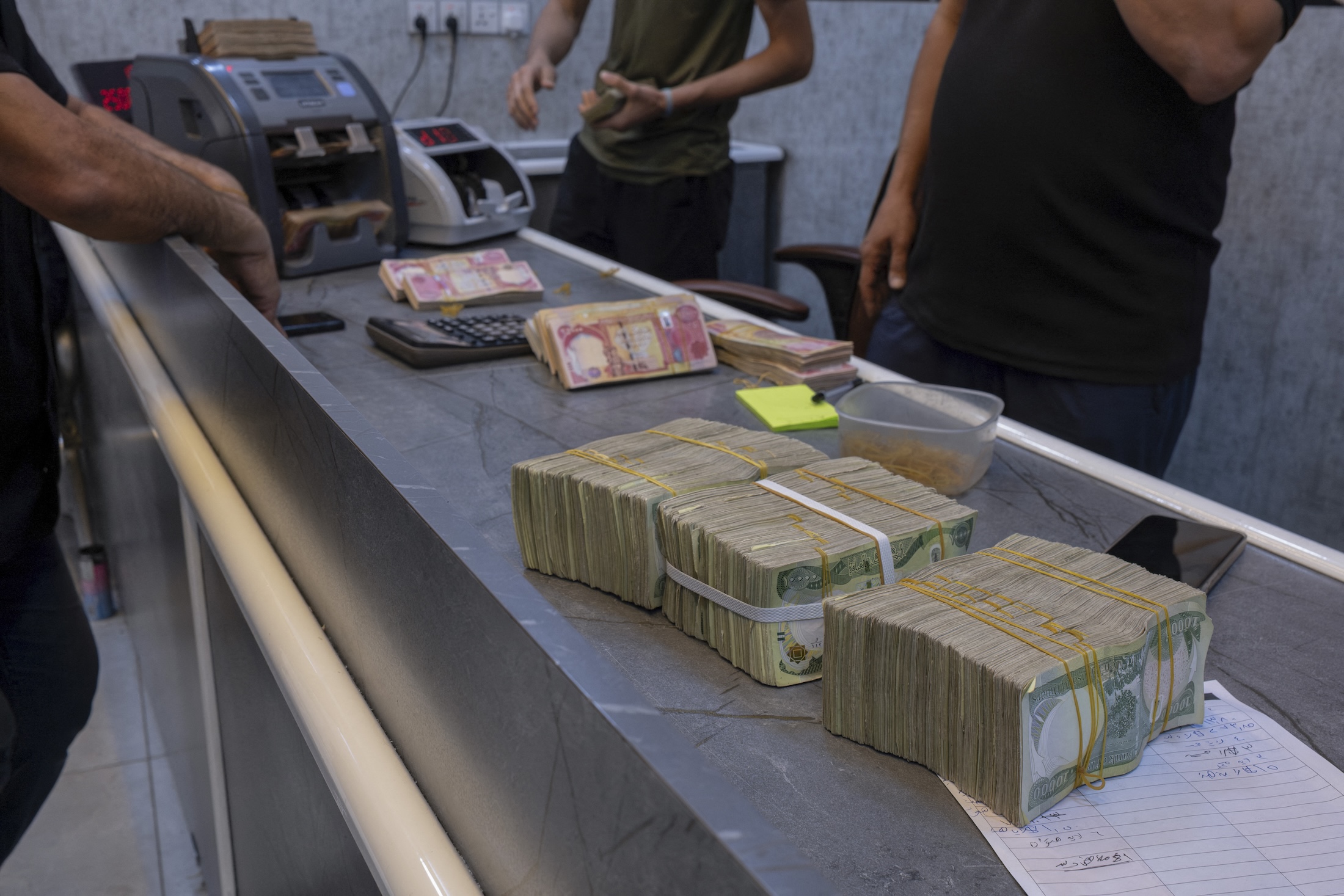
The recent devaluation of Iraq’s currency has sparked significant concern regarding its impact on the nation’s economy and citizens. In a move that reflects ongoing economic challenges, the Iraqi government has implemented changes that will directly affect purchasing power, particularly in an already fragile economic landscape.
The Impact of Currency Devaluation on Purchasing Power
The Iraqi government’s decision to devalue the dinar by approximately 14.5%, setting the new exchange rate at 1,520 dinars per U.S. dollar, will undoubtedly take a toll on the purchasing power of everyday Iraqi citizens. This marked the first devaluation since late 2020, which occurred during the COVID-19 pandemic. Although the dinar showed signs of strengthening in 2023, the recent changes indicate that economic stabilization remains precarious. As citizens cope with increasingly high prices for goods, the government aims to counterbalance the negative repercussions by lowering tariffs on essential food staples.
Government Response and Political Landscape
In light of the devaluation, Iraqi Prime Minister Ali al-Zaidi addressed parliament on October 8, defending the decision as a necessary step to avoid further borrowing. This stance reflects a wider concern among government officials about the potential for additional economic burdens on the populace. However, the political opposition to the measure is daunting. With the heightened risk of civil unrest stemming from rising costs, bureaucratic hurdles may slow the approval processes for crucial cabinet decisions. This atmosphere of political resistance could further complicate the implementation of the 2027 budget, leaving the government in a state of flux while trying to find effective solutions.
Economic Uncertainty and Public Reaction
Public reaction to the currency devaluation is a mixed bag, with many citizens expressing concern over the government’s decisions impacting their ability to afford basic necessities. As living costs continue to rise in tandem with the dinar’s losing value, protests could become a more frequent occurrence as citizens demand accountability and relief from economic hardships. The government’s plan to minimize tariffs may provide some short-term relief, but many experts question whether these measures will be sufficient to appease a populace already struggling to make ends meet.
Future Implications and Considerations
Looking ahead, Iraq’s economy faces a challenging road. The interplay between governmental policies, political opposition, and public sentiment will be pivotal in navigating this crisis. The devaluation’s long-term ramifications, compounded by potential social unrest, could hinder any aspirations for economic recovery and growth. As the government attempts to manage the situation, it is essential to pay attention to both domestic and international economic factors that could further exacerbate or alleviate these challenges.
In summary, Iraq’s recent currency devaluation underscores the delicate balance between economic measures and political realities. As citizens brace for the impact, the government’s ability to respond effectively will be crucial in determining the nation’s economic trajectory. Establishing trust through transparent communication and actions may hold the key to mitigating risks and stabilizing the economic environment.