
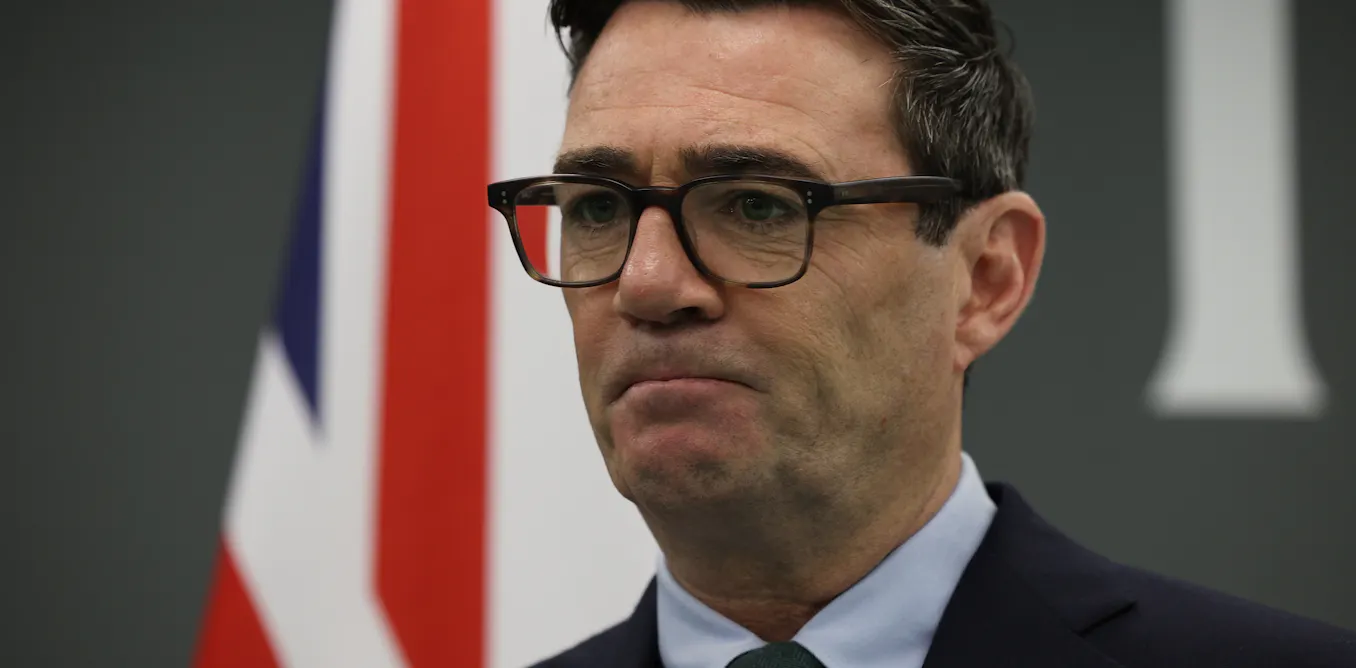
Manchester City’s financial misconduct controversy has emerged as a significant focal point in the delicate relationship between the United Kingdom and the United Arab Emirates (UAE), touching even the office of UK Prime Minister Andy Burnham. An independent investigation has confirmed 114 of the 115 allegations against the football club, revealing substantial financial misreporting spanning from 2009 to 2018. The charges have ignited debates over the ability of sporting institutions to impose penalties that intersect with international finance and politics.
Implications for International Relations
The Abu Dhabi United Group (ADUG), which owns Manchester City and is governed by Sheikh Mansour bin Zayed al-Nahyan, stands at the center of this investigation. The independent commission discovered that between 2009 and 2018, funding attributed to ADUG was inaccurately logged as commercial sponsorship income. During this period, the football club secured seven major titles, notably three Premier League championships.
A central finding was that approximately 87% of the club’s reported income derived from ADUG rather than legitimate sponsorship. This misrepresentation inflated revenues while trimming reported costs by over £900 million (approximately A$1.7 billion), enabling the club to attract elite talent without adhering to league spending caps.
Financial regulations in football differentiate between commercial income and owner contributions, imposing stricter controls on the latter. The issues stem from the transparency of such arrangements rather than the legitimacy of state-linked sponsorships. The intricate ties between private ownership, state-linked financing, and political authority become crucial when football disputes gain diplomatic significance.
Pressure on the Prime Minister
This financial debacle has escalated to the highest echelons of government, drawing scrutiny on Prime Minister Burnham due to his past role as mayor of Greater Manchester. After the allegations surfaced, Burnham praised Manchester City’s ownership for their contributions to the city’s development. However, he has also voiced concerns about the potential ramifications should the club exit the Premier League, representing a likely penalty under investigation.
This controversy has raised alarms within the Premier League, prompting the chairman of the Independent Football Regulator to threaten resignation if the Prime Minister interferes with the proceedings. Following recent criticisms, details of Burnham’s previous engagements with City officials were made public, including meetings that straddled both sporting and business interests. Although these engagements involved other clubs, the depth of connection between City and Abu Dhabi investors warrants further scrutiny.
The Stakes in UK-UAE Relations
The broader context of this situation unveils the complex financial tapestry between the UK and UAE. An investment partnership worth £10 billion was established between the two nations in 2021, targeted at multiple sectors including technology and energy. The UAE-UK Business Council later reported approximately £30 billion in investment commitments, illustrating the extensive nature of their economic ties.
Recent findings from the Premier League commission have reportedly prompted UAE officials to caution that football governance decisions could impact future bilateral relations and investments. While countries often rally to protect their investors abroad, intertwining sports governance issues with significant economic agreements could result in considerable diplomatic pressure.
A Crucial Moment for Football Integrity
The unfolding Manchester City case presents a pivotal moment in discussions regarding state-linked ownership within sports, emphasizing how geopolitical interests can compromise the autonomy of sports governance. The specter of political influence could tarnish the Premier League’s integrity and its commercial value, particularly if Manchester City is successful in its appeal. Even a legitimate ruling in favor of the club could be seen as having received undue political backing, raising questions about the independence of football institutions in a globalized marketplace.