
An astonishing discovery in Egypt has captivated archaeologists and history enthusiasts alike. During routine work on his land, a villager stumbled upon an inscribed stone, setting off a series of excavations that unearthed remarkable artifacts, including a massive statue head of the renowned Pharaoh Ramses II. This revelation sheds light on the cultural and historical wealth of ancient Egypt and underscores the importance of citizen involvement in preserving heritage.
Discovery of the Ancient Artifacts
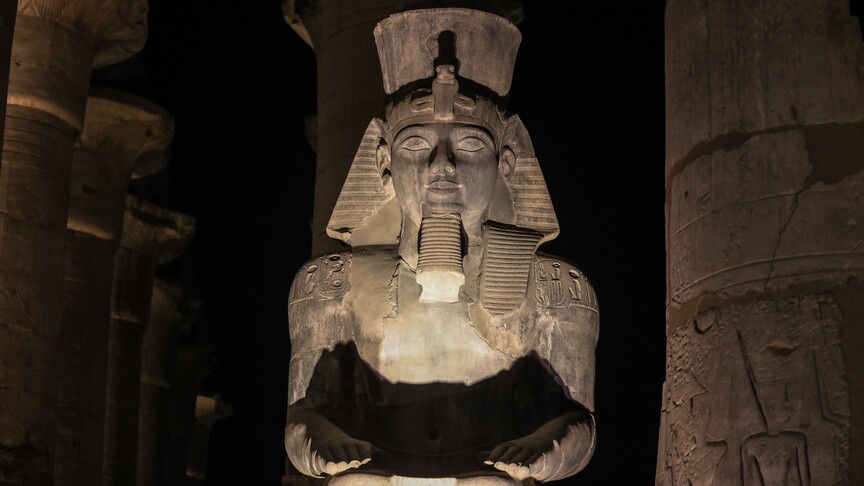
Khaled el-Shahat Khalil, a villager from Behbeit el-Hagar, located in northern Gharbia province, reported his groundbreaking find to local antiquities officials. His keen observation led to subsequent excavations that unveiled a colossal statue head of Ramses II, measuring an impressive 1.6 meters (5.25 feet). This piece depicts the pharaoh adorned with a double crown, a significant symbol representing the union of Upper and Lower Egypt. Each artifact discovered contributes to our understanding of the grandeur and artistry of Ramses II’s reign.
In addition to the head, archaeologists discovered substantial remnants of a second statue, measuring 2.4 meters (7.87 feet), which is also believed to represent Ramses II. The statue’s head features remarkably preserved facial attributes under a traditional royal headdress, showcasing the exceptional craftsmanship of ancient artisans. The presence of these monumental statues points to the importance of Ramses II in Egyptian history and reflects the sophisticated techniques used in ancient sculpture.
Significance of Inscriptions and Honors
Further enriching this find, researchers found a 1.3-meter (4.26-foot) block of pink granite inscribed with hieroglyphs, including two royal titles attributed to Ramses II. The presence of hieroglyphs amplifies the significance of the find, as they provide crucial insights into the political and spiritual narratives of that era. Understanding this context not only captivates historians and archaeologists but also enhances Egypt’s rich heritage.
In recognition of Khalil’s integrity and initiative, Tourism and Antiquities Minister Sherif Fathy, along with Gharbia Governor Alaa Abdel Moaty, honored him during a visit to his village. Khalil and his wife received a certificate of appreciation and were gifted an Umrah pilgrimage to Mecca. This kind of recognition emphasizes the role of local citizens in archaeological discoveries and the importance of community collaboration in preserving cultural history.
Preservation and Future Prospects
Fathy emphasized that Khalil’s decision to report his find allowed archaeologists to preserve the artifacts effectively. Such discoveries not only enrich our understanding of Egypt’s past but also highlight the critical role of public involvement in archaeology. As discoveries like this one unfold, they serve to remind us that history is often uncovered through the vigilance and honesty of the very people who inhabit these ancient lands.
Behbeit el-Hagar, apart from this treasure, is known for its ancient temple ruins dedicated to the goddess Isis, further complementing the site’s archaeological significance. This recent discovery is poised to become an integral part of Egypt’s rich historical narrative and serves as a call to protect and cherish the country’s invaluable cultural heritage. In light of these findings, further investigations in Gharbia province may yield additional insights into a fascinating civilization that continues to influence the modern world.