
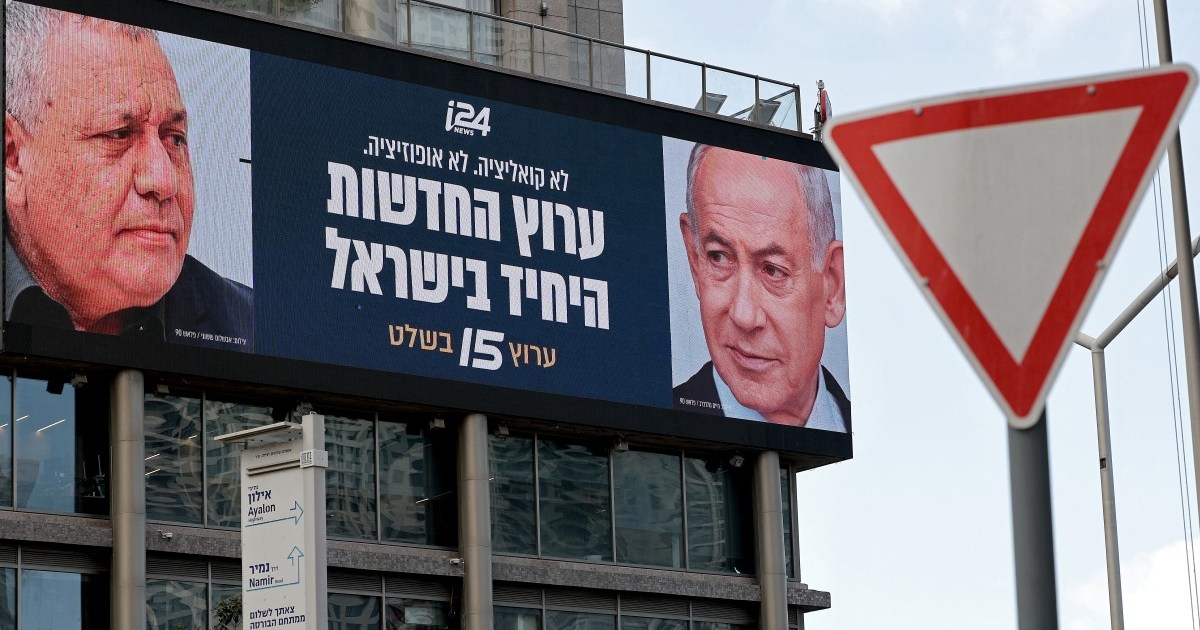
Lagos, Nigeria – As Israelis gear up for elections on October 27, African governments from Pretoria to Rabat are closely evaluating how the outcome might impact their foreign and domestic policies. The ongoing conflict in Gaza has highlighted stark divisions across the continent, with various nations responding differently—some advocating for diplomatic measures against Israel, while others continue to maintain their trade and security partnerships.
Divergent Reactions Among African Nations
The war in Gaza has prompted notable reactions among African states. South Africa has positioned itself as one of the most outspoken critics of Israel, launching a case against the country at the International Court of Justice. South African officials accuse Israel of violating the 1948 Genocide Convention, a claim that Israel firmly denies. The National Assembly even passed a motion encouraging the government to shutter the Israeli embassy, reflecting significant political opposition to Israel’s actions.
In contrast, other nations like Chad have opted to withdraw ambassadors, while several countries maintain stable relations despite disapproval of Israel’s military actions in Gaza. Morocco represents a unique case within this landscape, having restored ties with Israel in 2020 amid a diplomatic arrangement with the United States. Despite public protests against normalization, Morocco continues to engage closely with Israel, reinforcing their commitments to diplomatic and economic cooperation, evidenced by recent high-level meetings aimed at expanding bilateral ties.
The Impact of Israel’s Upcoming Elections
The election’s outcome could critically influence Israel’s ties with African nations. Experts note that a new government’s stance on the Palestinian issue will directly shape the future of cooperation concerning areas like agriculture, technology, and trade. For instance, Professor Idowu Johnson from the University of Ibadan emphasizes that Africa’s diversity complicates a unified response to Israel’s leadership. Individual governments are likely to exercise their sovereignty in determining bilateral relations, which may reflect broader geopolitical interests juxtaposed with public sentiment regarding Palestinian statehood.
Israel’s interactions with the African Union (AU) also underline these divisions. Tensions have surfaced related to Israel’s observer status in the organization, sparking debates among member states. A new Israeli government may seek to navigate these complexities, but any changes will largely depend on the diplomatic landscape shaped by both policy implementation and the perspectives of AU member states.
Security Partnerships Amidst Rising Diplomatic Tensions
Israeli security cooperation has been a cornerstone of relations with several African nations, with agreements surrounding defense equipment, surveillance technology, and training. Yet, the manifestation of these partnerships can differ significantly from one country to another. The Democratic Republic of the Congo, for example, recently pursued strengthening ties through security discussions during President Felix Tshisekedi’s visit to Israel. This visit followed earlier agreements aimed at bolstering bilateral cooperation, particularly involving security and technology.
Despite ongoing diplomatic tensions, some governments re-evaluate their security partnerships based on immediate needs. For nations facing security threats from armed groups, the urgency for military equipment, intelligence, and training often encourages continued collaboration with foreign allies. However, impending elections could complicate these dynamics, as public opinion may not align with government strategies, particularly if opposition arises against perceived unethical actions associated with Israeli policies.
Trade, Agriculture, and Regional Power Dynamics
Trade agreements also provide Israel an avenue to enhance its influence in Africa. By pursuing partnerships in agriculture, water management, and technology, Israeli firms aim to establish lasting connections that deliver tangible benefits. Zambia recently reestablished diplomatic ties with Israel by opening a resident embassy, signaling a renewed commitment to collaboration in sectors vital for its development.
Experts interpret this move as an effort to cultivate partnerships that could counterbalance South Africa’s influence in the region. However, Zambia’s drive for investment must be viewed in its own political context, hinting at a multifaceted approach where countries seek to balance national interests against public sentiments and commitments to global norms.
In conclusion, as Israelis prepare to vote, the ramifications of their choice will resonate throughout Africa. The forthcoming government will face crucial choices that could redefine not only Israel’s status among African nations but also shape the continent’s diplomatic landscape concerning longstanding issues like Palestinian rights and international law. The path forward promises to be intricate, with an array of factors influencing relationships, strategic cooperation, and public opinion across the continent.