
The ongoing geopolitical tensions and recent attacks in the Middle East have raised alarm bells for the global economy, with the International Monetary Fund (IMF) highlighting the potential fallout from these developments. Specifically, strikes on Saudi Arabia, particularly targeting oil giant Aramco’s headquarters in Dhahran, could have far-reaching economic consequences.
Potential Global Economic Impact
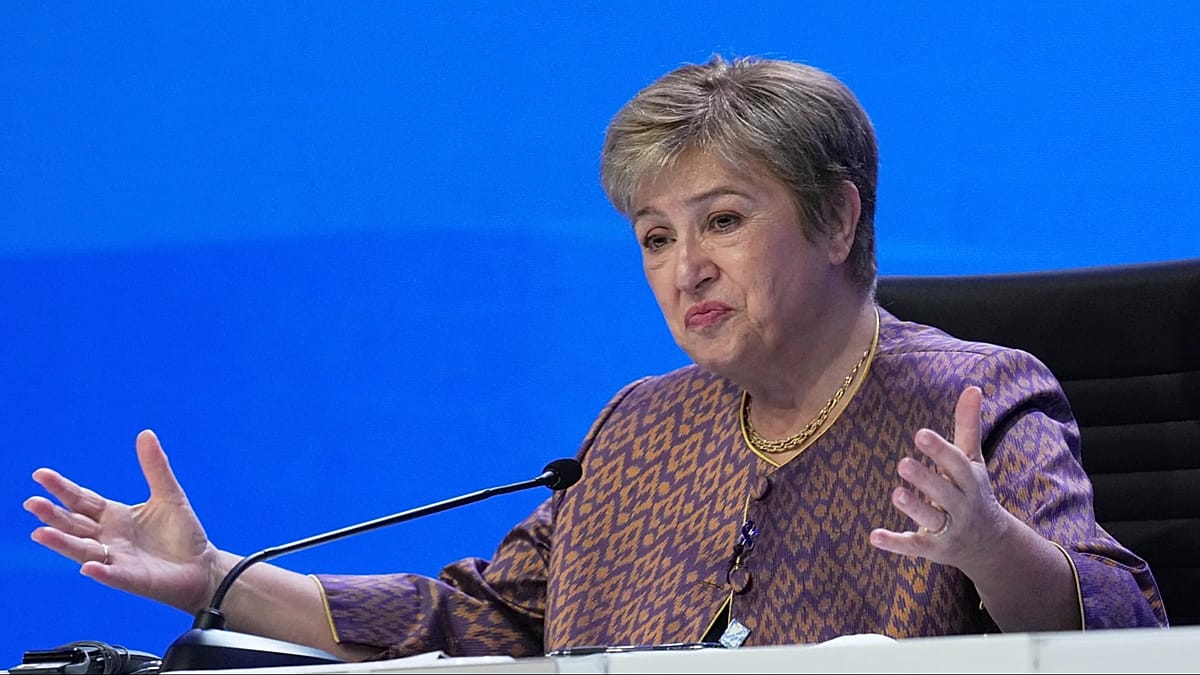
IMF’s Managing Director Kristalina Georgieva emphasized the essential role Saudi Arabia plays in the global economy, warning that any disturbance could negatively impact economies around the world. During a recent meeting in Bangkok with the IMF and World Bank, she stated, “These developments have potentially negative spillovers for everybody, everywhere.” This underscores the interconnectedness of global economies and how a localized incident can spark a domino effect.
The incident at Aramco’s headquarters involved an administrative building being struck, causing minimal fire damage. Fortunately, there were no reported casualties. The Iran-aligned Houthi group from Yemen claimed responsibility for the attack, which comes amidst escalating tensions and attacks on Saudi infrastructure. Although operations at Aramco have continued as usual, some employees were advised to work from home, and certain operations have shifted to international offices.
Market Reactions and Oil Prices
Following the attack, oil prices surged, with Brent crude exceeding $106 per barrel. In contrast, Aramco’s share prices dipped by 0.5%, reflecting investor concerns over the disruptions. Additionally, European airline Lufthansa announced it would suspend flights to Riyadh until mid-November, indicating disruptions in air travel as well.
In an effort to adapt to the ongoing situation, Saudi Arabia announced plans to allow executives to participate in its upcoming Future Investment Initiative conference digitally. This decision comes as safety concerns rise following not just the attack on Aramco but also recent incidents at Riyadh airport. With this conference scheduled to occur later this month, the adaptation reflects a pragmatic approach to navigating current challenges.
Forecasts and Recovery Plans
The IMF has projected a contraction of Saudi Arabia’s economy by 3.3% this year, with a projected rebound of 7.9% in 2027. These forecasts were released before the recent strike on Riyadh airport, showcasing the uncertainties that shape economic predictions. Importantly, the recovery hinges on the reopening of the critical shipping route through the Strait of Hormuz by March 2027, with expectations of returning to pre-war conditions by October of the same year.
Saudi Arabia’s East-West pipeline serves as a pivotal asset, transporting oil to the Red Sea and helping maintain exports while bypassing the Strait of Hormuz—an important strategic advantage that has mitigated damage compared to neighboring nations. Additionally, Georgieva pointed out that the kingdom’s diversification efforts beyond oil have contributed to some resilience amid the ongoing conflict, signifying progress in reducing dependence on fossil fuels.
In light of these developments, Georgieva cautioned that poorer nations reliant on imported energy would suffer the most from rising prices. She urged governments globally to provide support to populations grappling with soaring food and energy costs, reinforcing the need for coordinated responses to address both immediate and long-term economic challenges.