
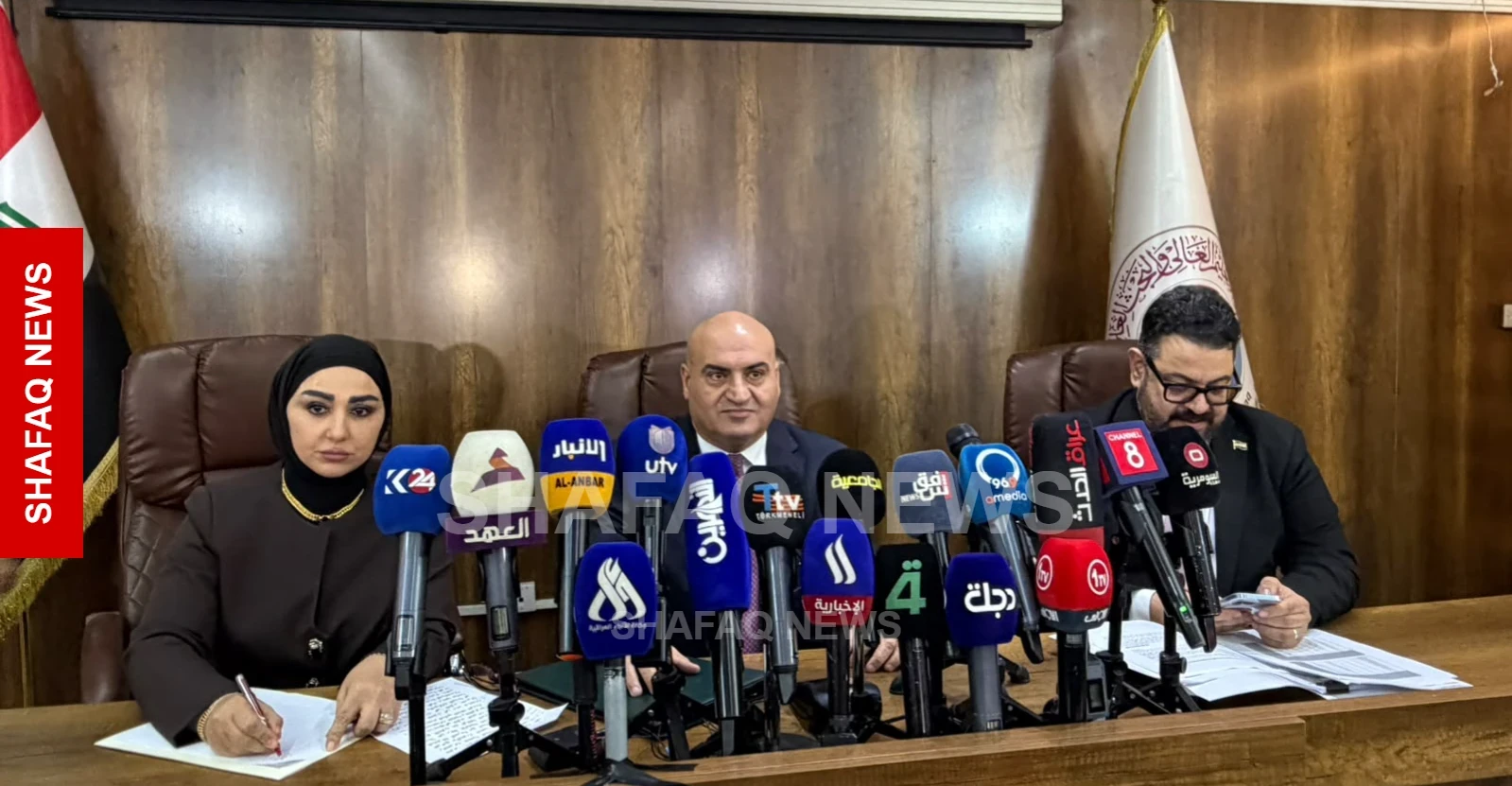
Iraq is witnessing a significant expansion in its higher education admissions for the upcoming academic year. According to Deputy Minister of Higher Education Haider Abdul Dahad, there has been a remarkable increase in the number of students being accepted into public universities and institutes through the general admissions process.
Significant Increase in Student Admissions
For the academic year 2026-2027, Iraq has admitted 224,583 students, a substantial rise of 38% from the previous year’s figure of 162,522. This admission surge reflects the growing demand for higher education among Iraqi youth. The breakdown of the admissions shows that 189,484 students graduated from the scientific secondary track, while 35,098 students came from the literary track, and one from the arts track. Notably, technical universities alone accounted for 84,107 of these admissions, demonstrating the importance of vocational training in the nation’s educational landscape.
Furthermore, the competition has intensified, with 7,671 students achieving academic averages exceeding 99%. This high performance has particularly amplified the demand for spots in medical colleges, where the minimum admission average is remarkably high. Specifically, 4,052 students gained admission to general medicine programs, where the bar was set at 99.67%, compared to lower thresholds for dentistry and pharmacy, which were 98.74% and 98.39%, respectively.
Challenges in the Admissions Process
The centralized admission system in Iraq allocates university placements based on students’ secondary school results and their preferred fields of study. Abdul Dahad explained that the lack of placements for some candidates stemmed from several factors. Many students did not utilize the daytime central admissions system, while others chose programs not aligned with their academic achievements.
To address these challenges, the Ministry of Higher Education is set to implement an online appeals process. This will provide options for students lacking placements, those who missed the application window, and those with averages above 75% who were assigned to institutes. The appeal system will enable students to revise their program choices to better align with their academic performance.
Future Opportunities for Students
In addition to the appeals process, the Ministry has announced plans to open applications for parallel public and private higher education programs. This initiative aims to offer opportunities for students already accepted into government institutions to retain their placements while exploring additional academic avenues. Such measures are designed to ensure that students can find viable paths and minimize the impact of competition in the educational sector.
Overall, the influx of students into higher education in Iraq indicates a burgeoning interest in academic advancement. As the Ministry implements measures to accommodate this interest and streamline the admissions process, the future looks promising for the country’s youth eager to pursue their educational aspirations. As the situation develops, it will be crucial to monitor the effectiveness of these new systems in meeting the evolving needs of Iraqi students.