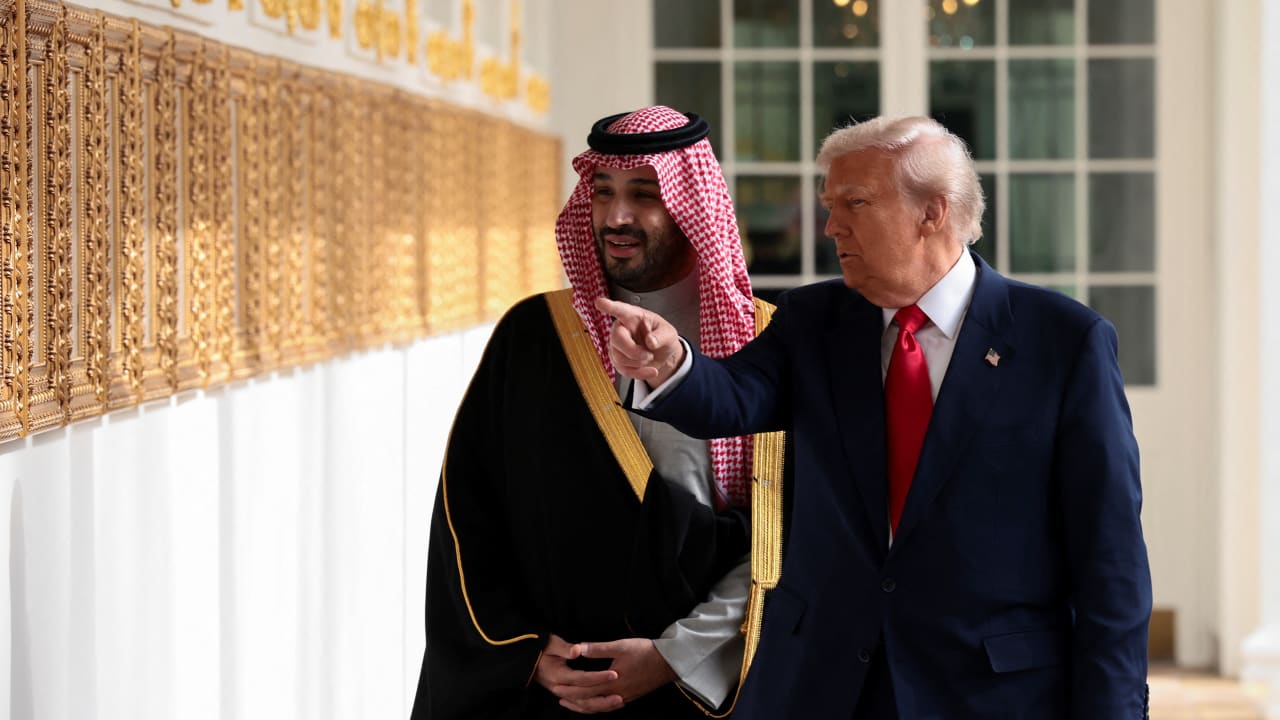
In September 2025, former U.S. President Donald Trump presented a 20-point plan aimed at resolving the ongoing Gaza conflict. This initiative aimed to establish a clear framework for achieving peace, securing the release of hostages, delivering humanitarian support, setting up transitional governance, and ultimately demilitarizing Gaza while facilitating its reconstruction.
UN Security Council Resolution 2803
The United Nations Security Council endorsed this comprehensive plan on November 17, 2025, through Resolution 2803, which also recognized the formation of the Board of Peace. However, nearly a year post-ceasefire, a UN report issued in September 2026 revealed ongoing challenges. It indicated that Hamas and other militant factions had not disarmed, the proposed transitional governance structures had yet to be activated, and the International Stabilization Force was still absent from the region.
The primary hurdle has been the contention surrounding the sequence and execution of the plan’s second phase. The U.S. and Israel have stressed the urgency of disbanding Hamas as a precursor to Israel Defense Forces’ (IDF) complete withdrawal. In contrast, Arab state leaders have argued for the immediate provision of humanitarian relief, rehabilitation of essential infrastructure, and a defined route towards a two-state solution as vital first steps.
Financial Challenges and Key Stakeholders
These disagreements have resulted in significant financial complications, obstructing the reconstruction process due to a lack of established security and governance conditions. On February 19, 2026, Saudi Arabia joined eight other nations in signing the Declaration of the Founding Donors to the Board of Peace. Riyadh committed to providing essential financial aid for the plan, pledging $1 billion towards peace and reconstruction efforts. However, conditions tied to this support were subsequently imposed, namely the fulfillment of humanitarian aid commitments and a clear strategy for achieving a two-state resolution.
The ongoing stalemate threatens to exacerbate humanitarian crises, impede reconstruction initiatives, and sustain the wider regional instability that emerged during the Gaza conflict. Given its regional influence, Saudi Arabia is uniquely positioned to help ease the diplomatic deadlock and restore U.S. credibility in the area. Recognizing the link between Hamas’s military capabilities and regional stability is critical to moving forward.
Regional Security Context and Proposed Actions
As tensions escalate, particularly from the Houthi forces in Yemen, Saudi Arabia faces increasing security threats. Attacks on Riyadh have prompted the kingdom to reconsider its defense strategies, especially in light of uncertainties concerning support from Pakistan and Turkey under the Mecca Joint Defense Agreement. The U.S. has previously evaluated military action against the Houthis and would benefit from translating that readiness into a comprehensive strategic approach that aligns with long-term American interests.
To facilitate the progression of the 20-point plan, the U.S. could offer stronger security guarantees to Saudi Arabia, potentially surpassing the Strategic Defense Agreement initiated in November 2025. In return, Riyadh would advance phase two of the peace plan without further preconditions. Such a cooperative relationship would not only enhance Saudi-Israeli ties, encouraging normalization but also re-establish the efficacy of the 20-point plan in strengthening regional stability.
By tackling these complex geopolitical issues, the U.S. can bolster its role as a credible security partner for Saudi Arabia and set a well-defined framework for addressing the myriad challenges that the region faces.