
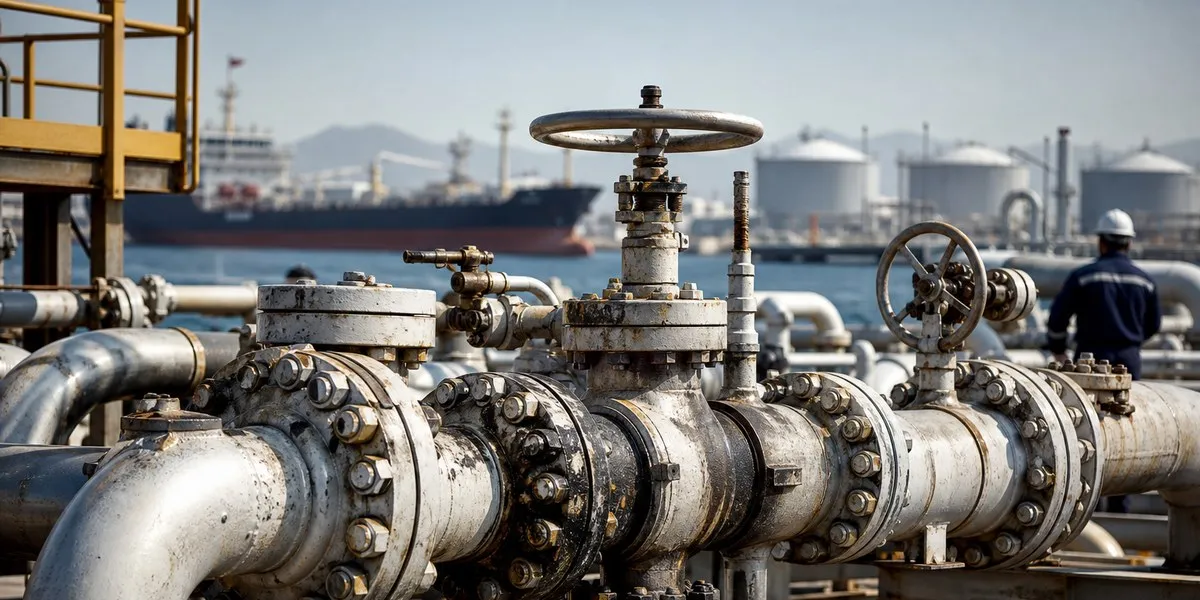
Iran and its allied factions have significantly intensified their military operations in the Gulf region, launching over 135 drone and missile attacks targeting key infrastructure across multiple countries, including Saudi Arabia, the UAE, Iraq, Qatar, Kuwait, Oman, and Bahrain. A recent investigation by Reuters unveiled details of these assaults, indicating that critical components of energy, transportation, and industrial sectors have faced severe damage since the onset of the conflict.
Targeted Attacks on Critical Infrastructure
The Port of Fujairah in the UAE stands out among the locations severely impacted, with reports confirming at least 19 attacks since late February. This strategic port allows oil shipments to bypass the vital Strait of Hormuz, making it a crucial node for energy exports. Satellite imagery has revealed significant destruction to essential pipeline systems connecting oil terminals and berths. The attacks in mid-March led to a drastic decline in oil loading at Fujairah, dropping to approximately 440,000 barrels per day—less than half of the expected levels for the year 2025. Following a strike on May 4, petroleum exports from the port were nearly halted, with only one vessel leaving by June 1.
Furthermore, the Ras Laffan gas liquefaction plants in Qatar have also come under fire. Two critical cooling modules necessary for gas liquefaction suffered heavy damage during two strikes. QatarEnergy’s chief, Saad al-Kaabi, remarked that full restoration could take between three to five years. This has jeopardized nearly 20% of the global liquefied natural gas market, as reported by the agency.
Official Denials and Economic Repercussions
In the aftermath of these strikes, Gulf nations have issued at least 34 official statements denying the extent of the damage caused, attributing it instead to debris from intercepted munitions drone attacks. Yet, interviews with 14 industry experts have raised concerns regarding the likelihood that critical infrastructure could be primarily harmed by incidental debris rather than direct strikes.
On September 10, a particularly devastating attack targeted Saudi Arabia’s East-West oil pipeline, halting oil flow and threatening up to 4% of the world’s oil supply. The Saudi government attributed this strike to Iran-aligned forces operating from Iraq. This wave of assaults has also driven Brent crude oil prices upward, with rates peaking at around $120 per barrel during March, April, and May—significantly higher than the approximately $70 price observed in February.
Industry analysts from IIR Energy have assessed that a minimum of four major facilities in the region may require over a year for full recovery. These include Ras Laffan, Qatar’s Pearl Gas-to-Liquids plant, the UAE’s Habshan gas complex, and the Emirates Global Aluminium Al Taweelah plant. The persistent threat of targeted strikes poses a significant risk to the economic stability and energy security not only of the Gulf nations but also of global markets reliant on these crucial resources.
In light of escalating tensions and strategic vulnerabilities, attention to diplomatic resolutions and enhanced defensive measures is increasingly critical to safeguarding regional stability and energy supply chains.