
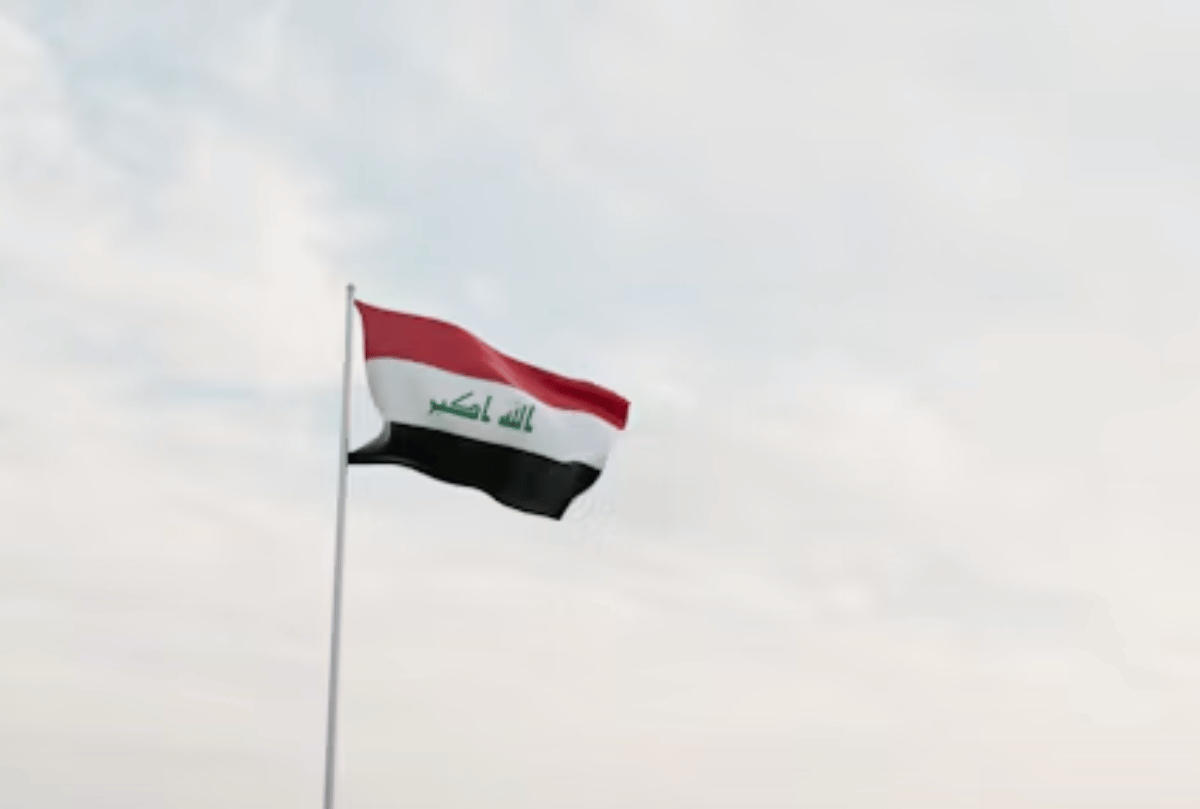
Iraq is currently at a pivotal junction with potential changes to its currency and budget forecasts, signaling an evolution in its economic landscape. Safaa Al-Jabri, a member of the Al-Sadiqoun bloc and the Parliamentary Economic Committee, has provided insights into these developments during recent discussions.
Proposed Currency Change
The Iraqi government is contemplating an adjustment to the official exchange rate, moving from 1,310 to 1,500 dinars per US dollar. This strategic decision is under consideration amidst ongoing discussions about redenominating the currency by removing three zeros. According to Al-Jabri, these discussions are still at a preliminary stage, and no definitive decisions have been finalized. The implications of such a currency adjustment could have far-reaching effects on the economy, influencing inflation, pricing, and overall economic stability.
Budget Revenue Projections
Looking ahead to the 2027 federal budget, Al-Jabri has projected that state revenues could surpass $110 billion. This optimistic forecast is largely attributed to robust oil exports, domestic sales of petroleum, and increasing customs and tax revenues. Specifically, he anticipates that earnings from crude oil exports could exceed $85 billion, assuming average monthly revenue around $5 billion at prices between $80 and $82 per barrel. These projections suggest a significant boost to the national economy, although they are tempered by the realities of budgetary deficits.
Budget Deficits and Government Liabilities
Despite the optimistic revenue projections, the proposed budget is expected to incur a deficit ranging from 25 trillion to 30 trillion dinars. This gap presents considerable challenges for fiscal management going forward. Al-Jabri also pointed out outstanding government liabilities, which include payments that are due to local wheat farmers and contractors involved in ration supplies and infrastructure projects. Additionally, Prime Minister Ali Faleh Al-Zaidi has taken action to cancel public works contracts that are less than 20% complete, likely as part of efforts to reallocate funds more effectively.
Future Economic Strategies
The discussions on the exchange rate adjustment and potential currency redenomination indicate that Iraq’s leadership is actively seeking ways to stabilize and strengthen the economy. However, these initiatives must be carefully evaluated to avoid negative repercussions. As the government moves forward, the focus will be on ensuring that both domestic revenue streams and external economic factors align for sustainable growth.
As Iraq navigates these complex circumstances, it will be essential for its leadership to maintain transparency and communicate effectively with stakeholders. Doing so will help foster confidence in the economy and ensure that the planned financial reforms translate into long-term benefits for the nation.