
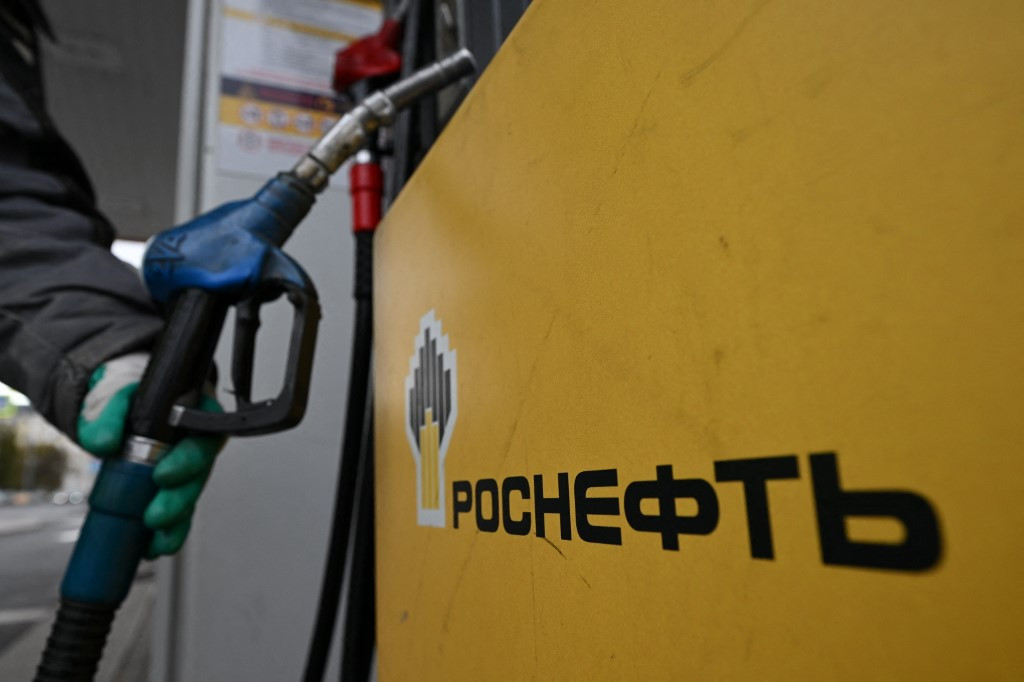
Turkey and Morocco have stepped up as major suppliers of seaborne oil products to Russia, particularly in September, as overall imports have plummeted by 44% from the previous month, according to the Centre for Research on Energy and Clean Air (CREA). This shift comes amid ongoing tensions surrounding global energy markets and reflects changing dynamics in fuel supplies to the region.
Turkey Emerges as Russia’s Leading Supplier
In September, Turkey was responsible for 55% of Russia’s oil product imports, with four cargoes departing from the southern port of Mersin. These shipments amounted to 130,000 tons and held a value of approximately €94 million (around $106 million). This volume is significantly higher than the 37,000 tons shipped from the same location in August, highlighting a sharp increase in Turkey’s role in Russia’s energy supply chain. The four cargoes included three shipments of gasoline and one of diesel fuel. It is important to note, however, that while Turkey accounted for the majority of Mersin’s oil product imports during the first half of 2026, some of these supplies may be returning to Russia due to domestic shortages.
Morocco’s Growing Contribution
Morocco has become the second-largest supplier of seaborne oil to Russia, exporting 96,000 tons in September—an increase from 70,000 tons in August and 39,000 tons in July. All three cargoes from Morocco contained gasoline and were loaded at the Horizon terminal in Tangier, then delivered to St. Petersburg and Murmansk for companies including Gazprom and Surgutneftegas. This upward trend in Moroccan shipments emphasizes the changing landscape in Russia’s energy procurement strategies as the country adapts to ongoing challenges in sourcing fuels.
India and South Korea’s Involvement Declines
In a noticeable shift, Russia received no seaborne oil product shipments from India in September, contrasting sharply with the 160,000 tons imported in August. A small cargo of 40,000 tons did arrive from India in early October, but this still marks a significant drop. South Korean shipments also experienced a steep decline, falling to just 8,000 tons in September from 95,000 tons in August. By mid-October, no shipments from South Korea had materialized. This downturn has been partially attributed to potential legal challenges facing South Korean exporters, creating uncertainties around the viability of these supplies moving forward.
Russian Fuel Reaches Sanctioning Nations
Despite the European Union’s ban on products derived from Russian oil, CREA identified seven shipments to EU ports in September from refineries that process Russian crude. This includes six shipments from India and one from Turkey, with Italy receiving the highest number at three, along with two for Romania, and one each for Spain and Cyprus. The complexities of these shipments raise questions about compliance with sanctions, as not every cargo may contain Russian-derived fuel. The total exports from these refiners amounted to about €1 billion ($1.12 billion) in oil products, with CREA estimating that approximately €295 million ($332 million) of those products were refined from Russian crude.
As global energy markets continue to navigate the impacts of sanctions, the dynamics of supply and demand are likely to evolve further, influencing not just Russia’s imports but the strategies of other nations involved in the energy supply chain. The significant changes in sourcing from Turkey and Morocco illustrate an ongoing adaptation within the sector, reflecting the broader geopolitical landscape and its repercussions on energy procurement strategies.