
Egypt has developed a multifaceted strategy over the last ten years to combat terrorism and extremism. This effort integrates security measures, legislative updates, anti-financial crime actions, socio-economic development programs, and initiatives to promote moderate religious dialogue while shielding youth from radical influences.
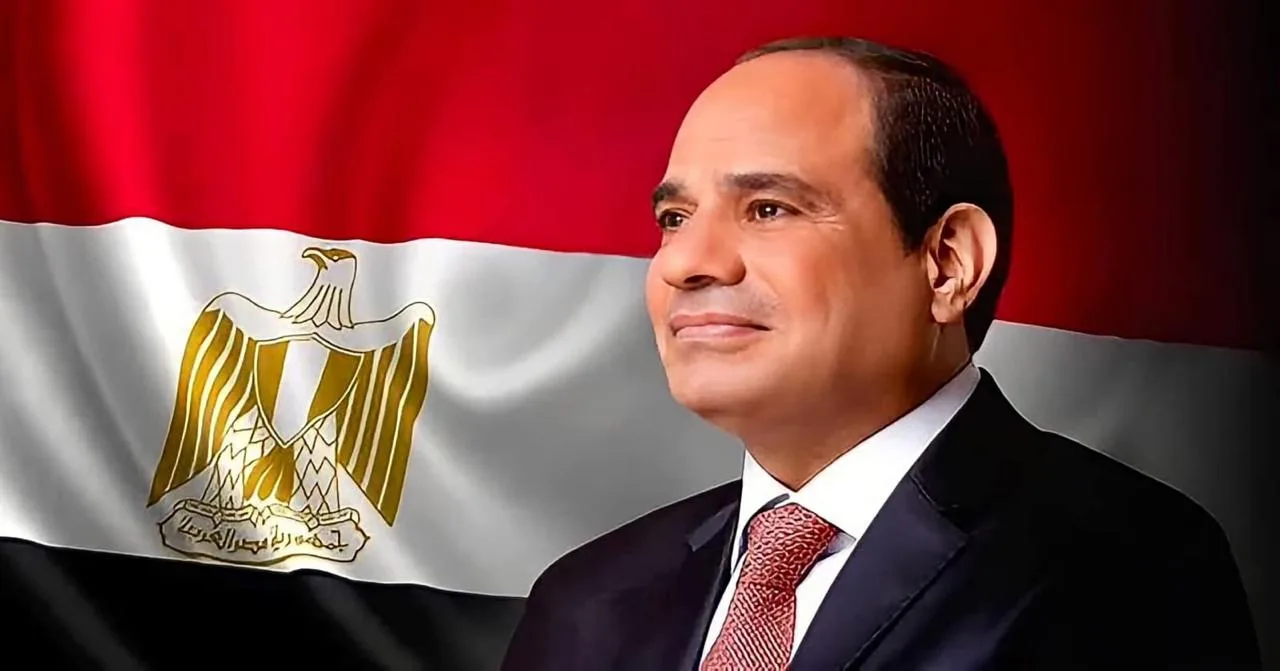
Under the leadership of President Abdel Fattah El-Sisi, Egypt recognizes that overcoming terrorism involves more than dismantling militant infrastructures. It requires addressing the underlying issues that foster extremist ideologies. The country’s approach marries security with developmental initiatives and increased public awareness, facilitating a comprehensive response to the growing terrorist threat.
Strategic Security Operations
Preemptive security operations have become a vital component of Egypt’s counter-terrorism framework. The Comprehensive Operation Sinai 2018, spearheaded by armed forces and police, specifically targeted strongholds and logistical networks utilized by terrorist factions in North Sinai. This operation followed the earlier Operation Martyr’s Right, designed in multiple phases to counteract militant groups persistently threatening national security.
The government’s security agencies have not only focused on eliminating existing terrorist cells but have also prioritized intercepting budding extremist organizations. Key to this effort is legislation aimed at counteracting terrorist financing, which includes anti-money-laundering laws and provisions to freeze assets of those involved in such activities. Alongside these security undertakings, the Egyptian government has initiated substantial development projects, particularly in Sinai and Canal cities, as part of a long-term vision slated for completion by 2030. This overarching strategy aims to enhance economic conditions, create new urban developments, and improve social services, thereby fortifying communities against radicalization.
Legislation and Judicial Measures
To enhance its legal framework, Egypt has implemented Anti-Terrorism Law No. 94 of 2015 and the Law on Terrorist Entities and Terrorists Lists No. 8 of 2015. These legislative measures enforce restrictions on identified organizations, facilitate asset seizure, and impose strict penalties for terrorist financing. The judiciary now plays an integral role in prosecuting cases tied to terrorism, even in the face of significant risks, such as the assassination of former prosecutor-general Hisham Barakat in 2015.
Additionally, the state has been modernizing its judicial system through technological advancements to ensure that cases are resolved more efficiently. This modernization helps bolster public trust in the legal framework and the government’s commitment to fighting terrorism.
Religious and Cultural Engagement
Egypt’s religious institutions are actively working to counter extremist ideologies that threaten societal stability. Through various outreach programs and digital initiatives, these institutions promote moderate interpretations of Islam. Al-Azhar’s Islamic Research Academy has launched awareness campaigns aimed at educating the public about extremist narratives while aiming to correct misunderstandings that fuel radical thoughts.
Conversely, Dar Al-Ifta has been engaged in refuting extremist ideologies, particularly those that appeal to the youth. The Ministry of Awqaf has expanded outreach efforts through mosques, schools, and universities, focusing on strengthening preacher education and enhancing digital engagement. Cultural initiatives, such as artistic workshops and awareness seminars coordinated by the Ministry of Culture, aim to enrich remote areas like Sinai and promote national unity.
Support for Victims’ Families
The Egyptian government has also dedicated resources to supporting the families of victims affected by terrorism. The establishment of the Fund for Honouring Martyrs and Victims, along with initiatives like “Egypt Is With You,” underlines the state’s commitment to provide institutional support for those who have suffered due to military and terrorist operations.
In conclusion, Egypt’s multifaceted approach to countering extremism emphasizes that lasting stability comes from collaboration between governmental bodies and society. The integration of security, development, legislative updates, cultural engagement, and family support showcases a comprehensive framework that prioritizes the protection of future generations while tackling the immediate threats posed by terrorism.